Let's Grow Together
Growing & distributing free Baobab & Tamarind seedlings across Zambia
Divergent Innovation Foundation grows Baobab (Mabuyu) and Tamarind (Kawawasha) seedlings and distributes them free to Zambian families, farmers, schools, and communities — building a greener, healthier Zambia for generations.
Our Work
Everything starts with a seed. We grow them, nurture them, pack them up, drive them across the country, and hand them directly to the people who will plant them.
Step 1
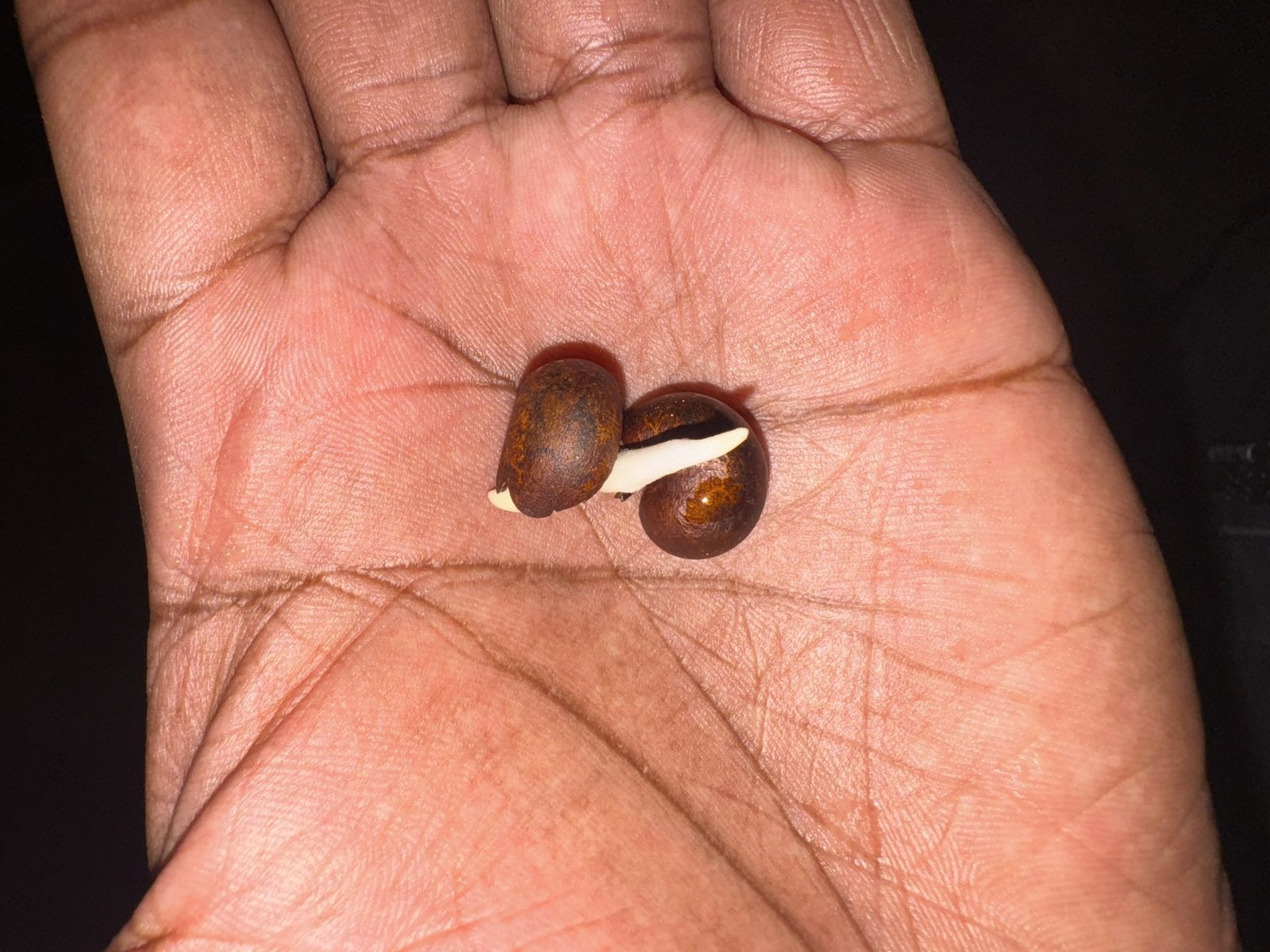
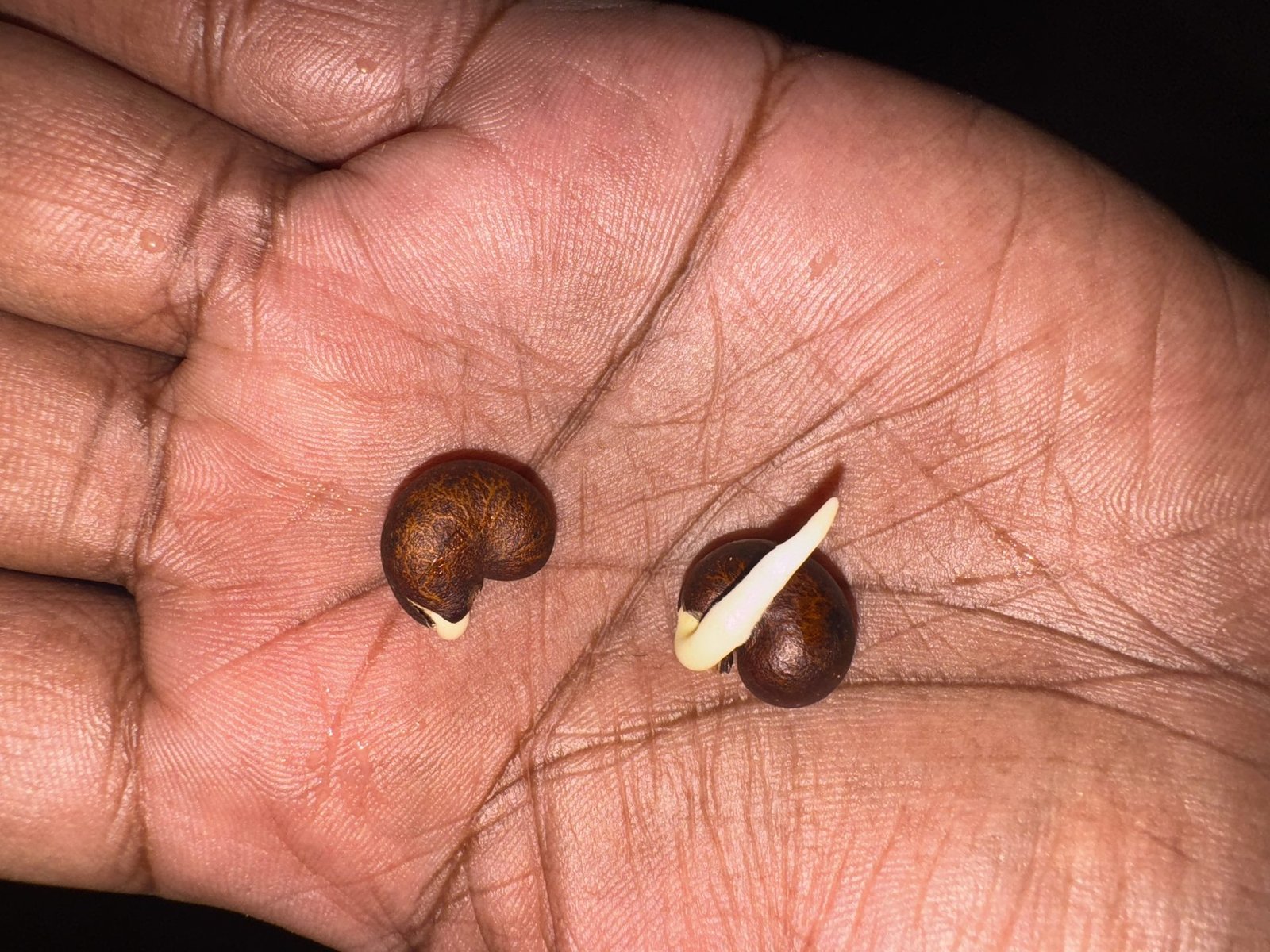
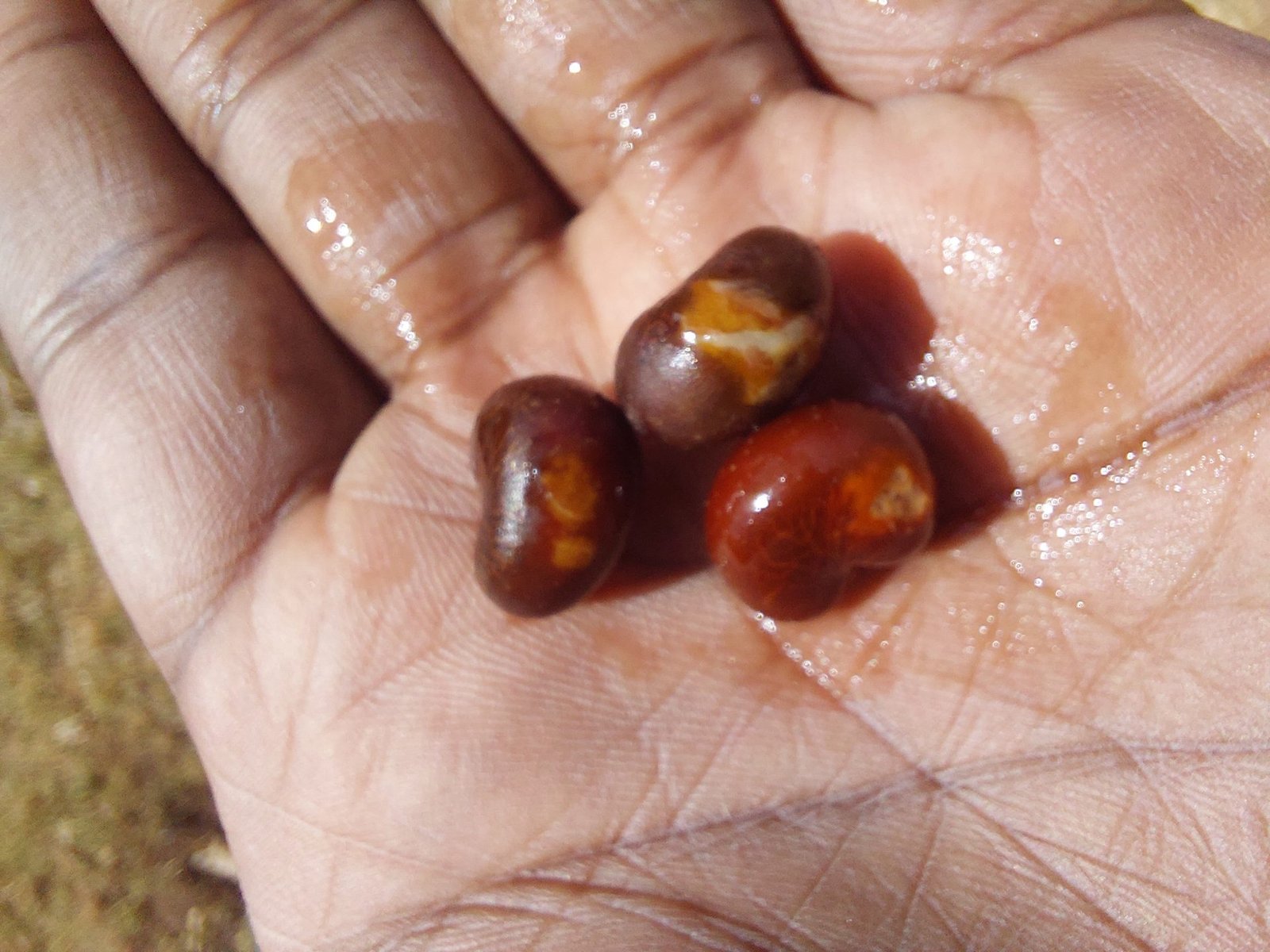
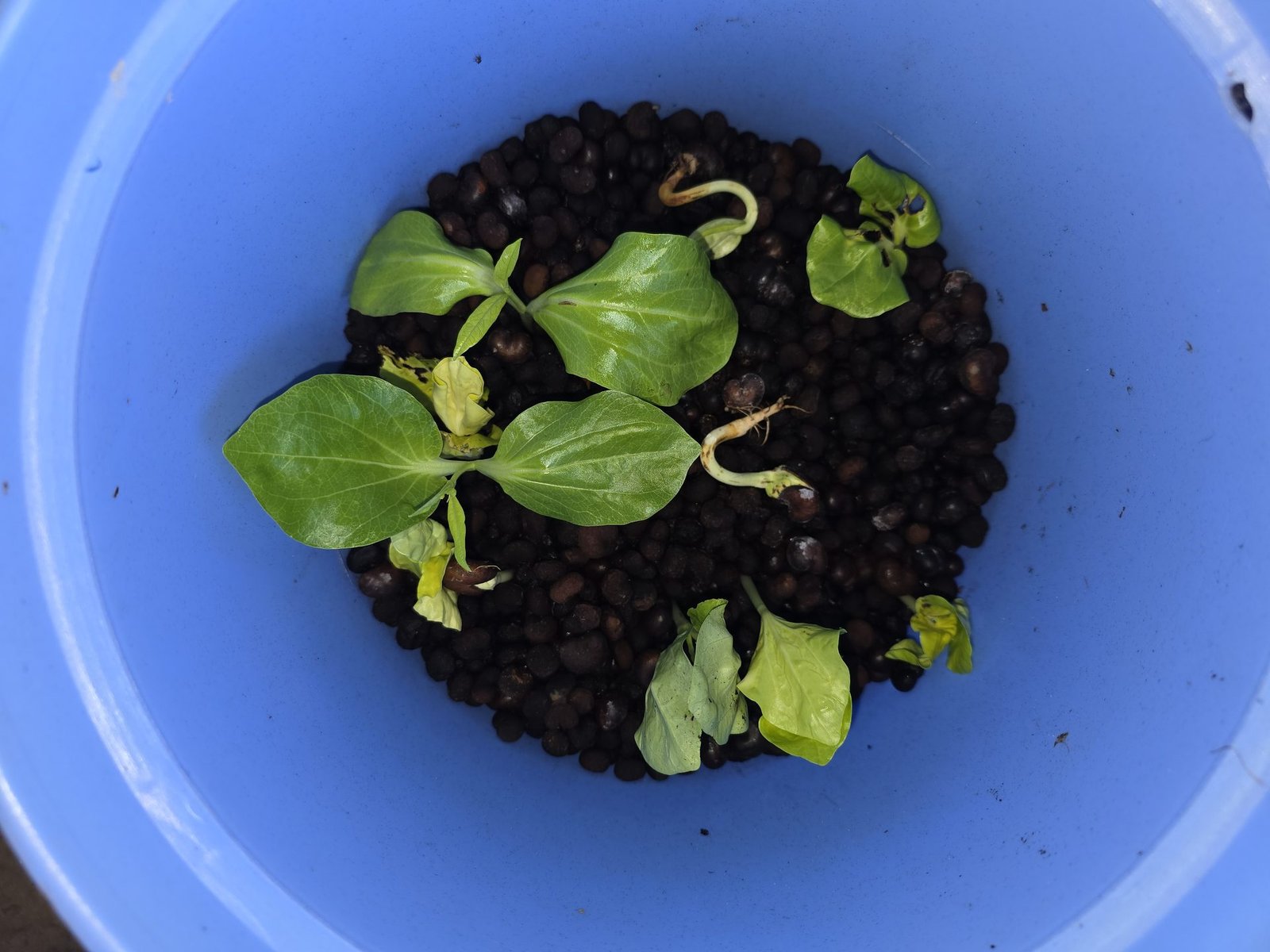
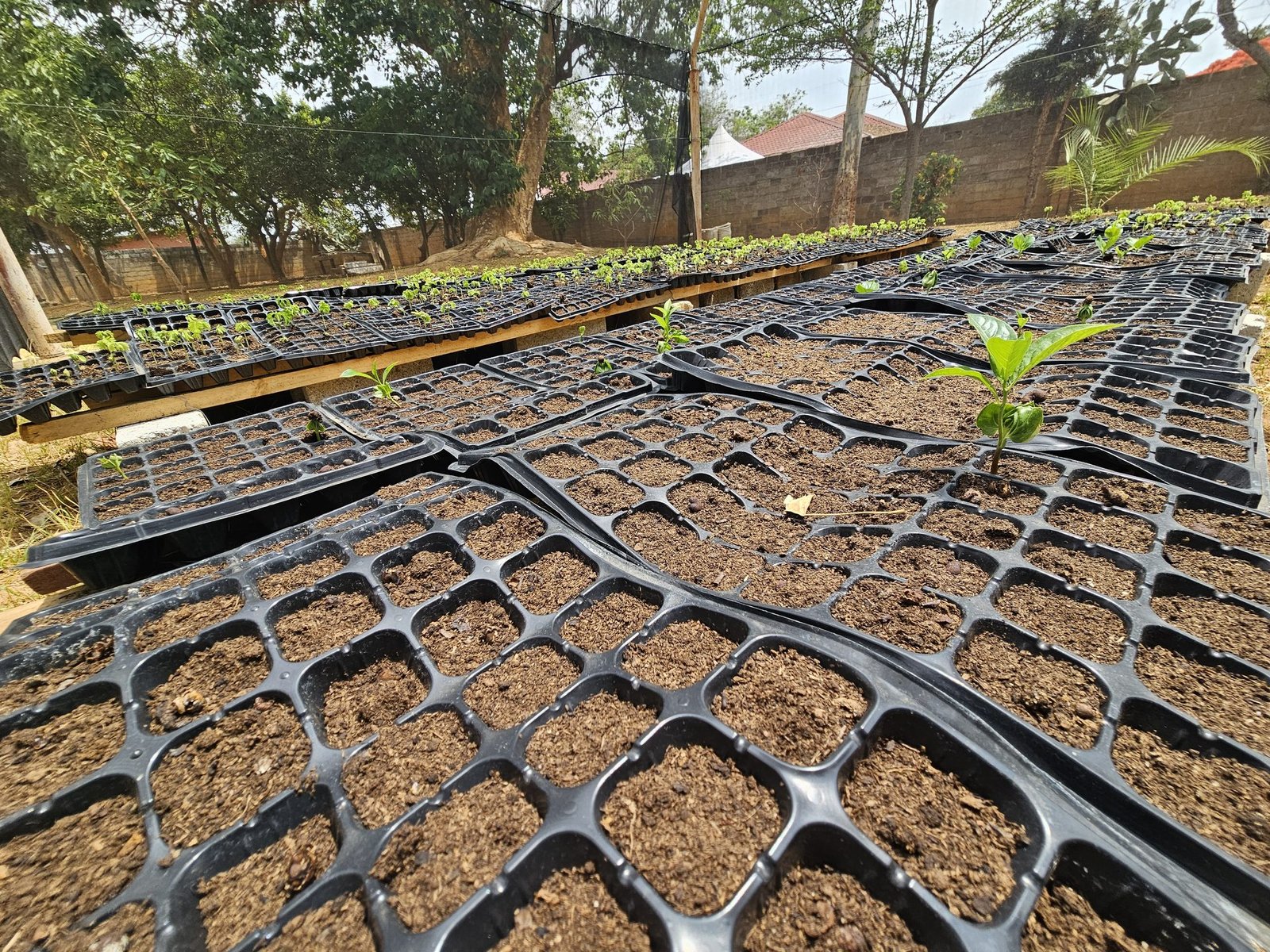
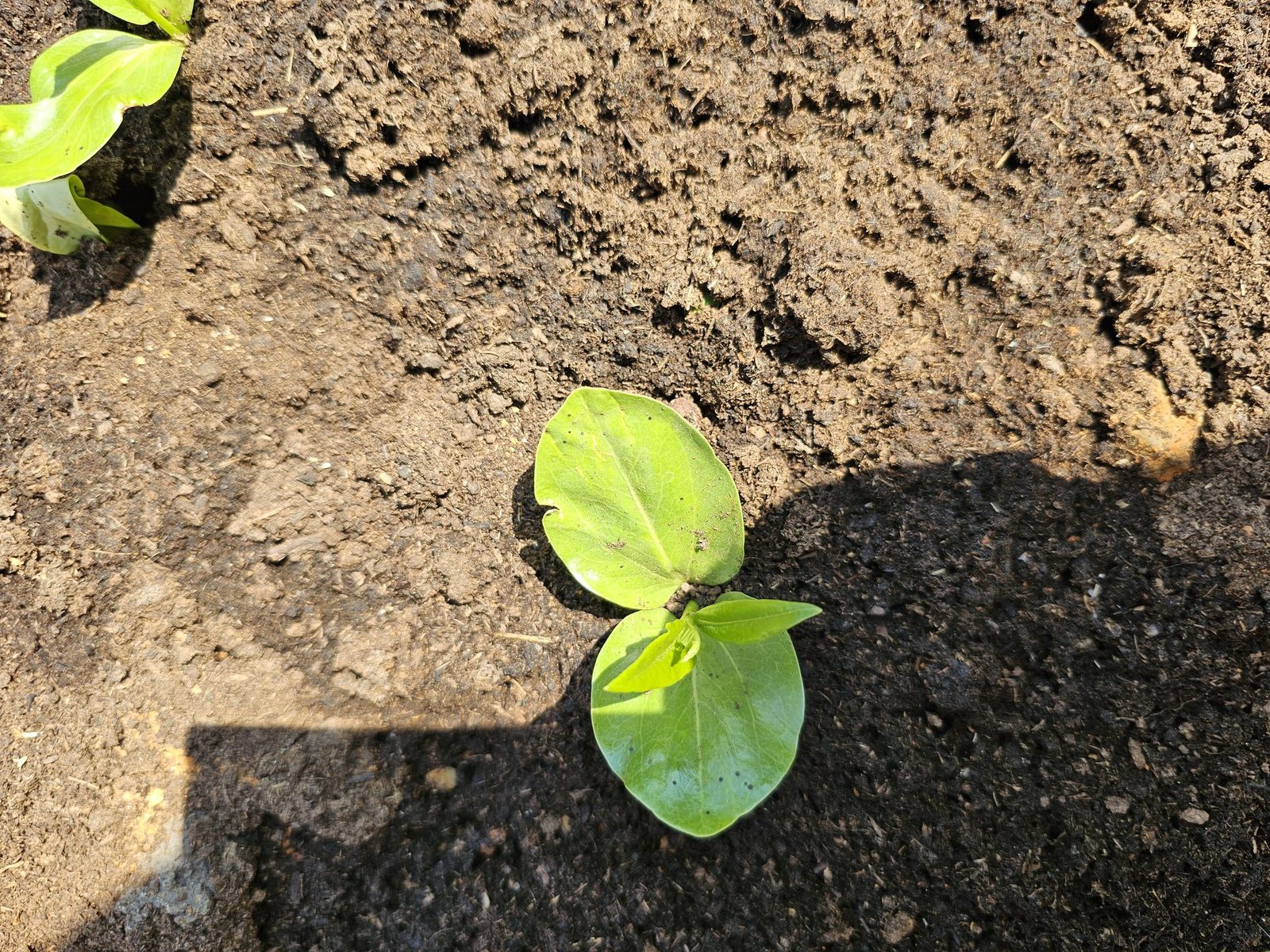
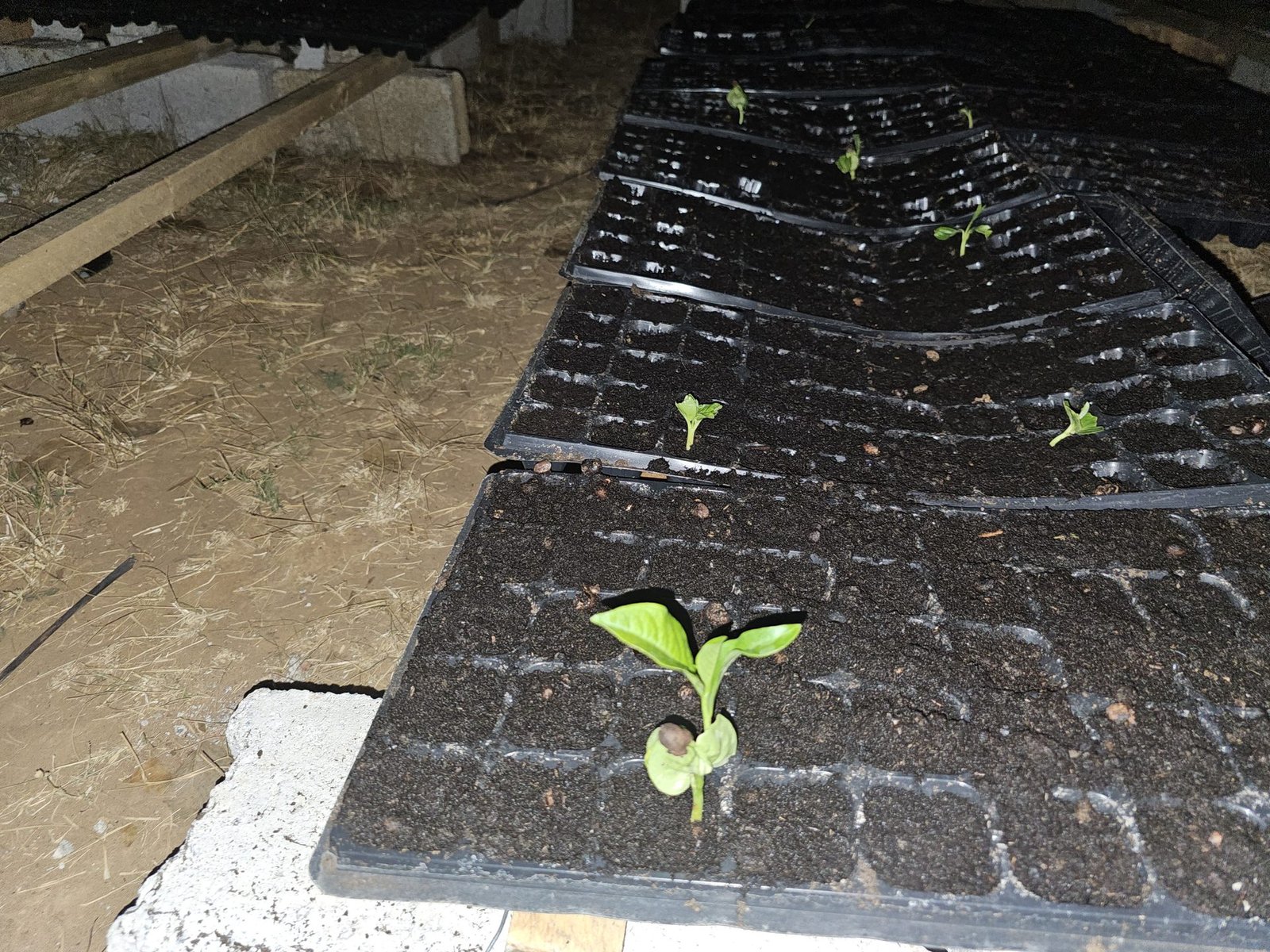
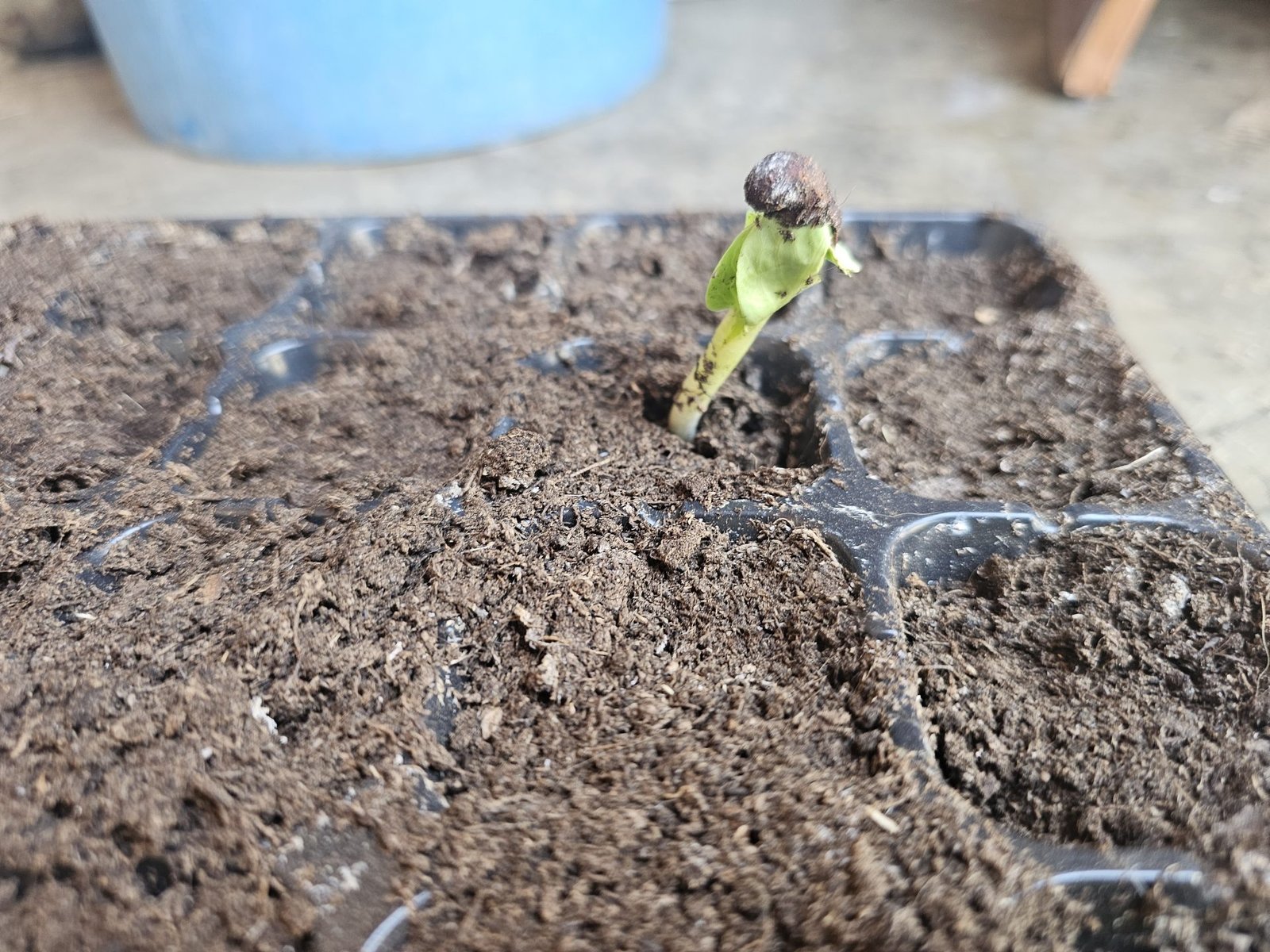
Every tree begins as a seed. We source and prepare Baobab seeds by hand — soaking, scarifying, and watching each one wake up. The first crack of the shell, the first root curling out — that's where a 2,000-year life begins.
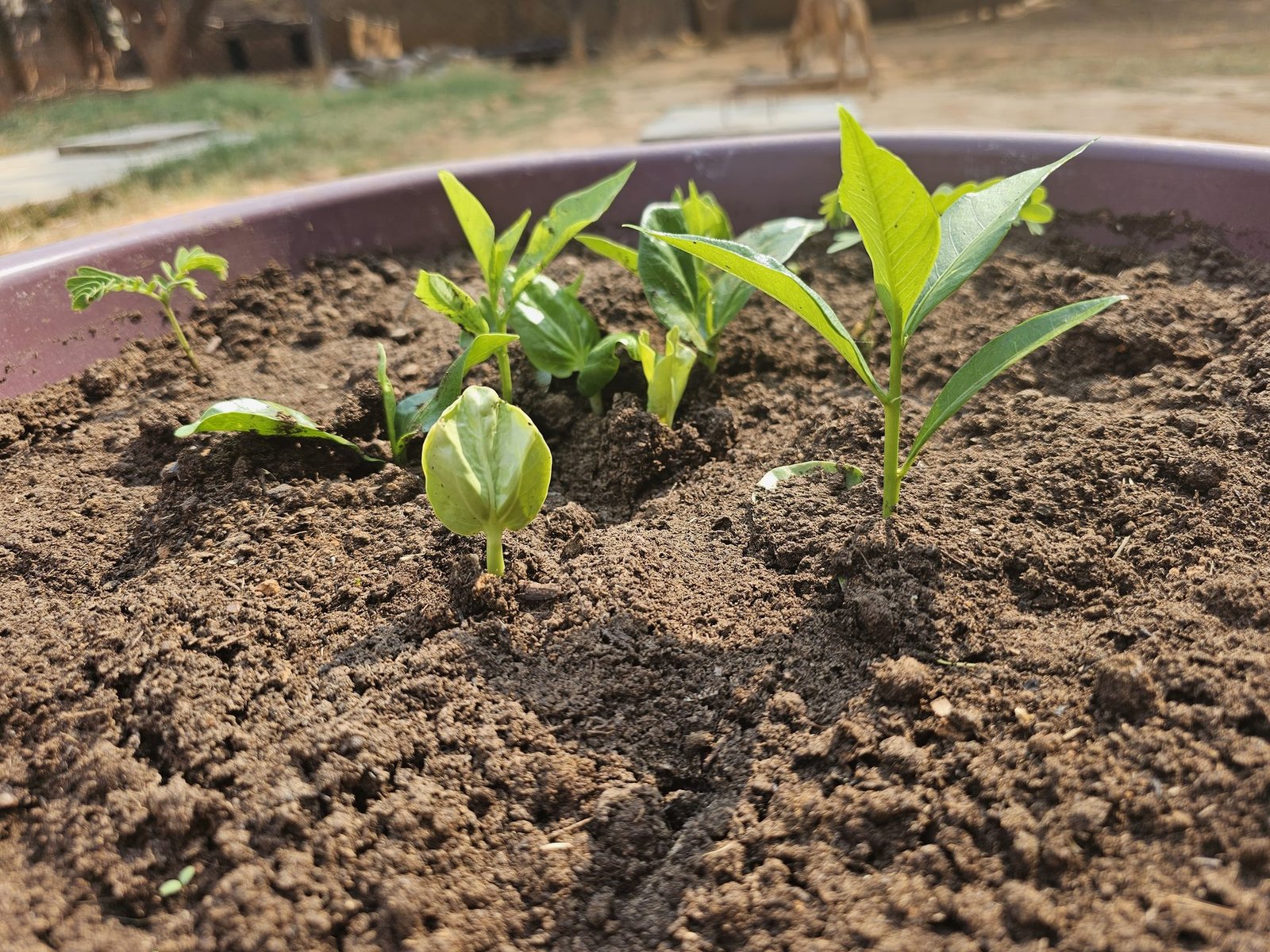
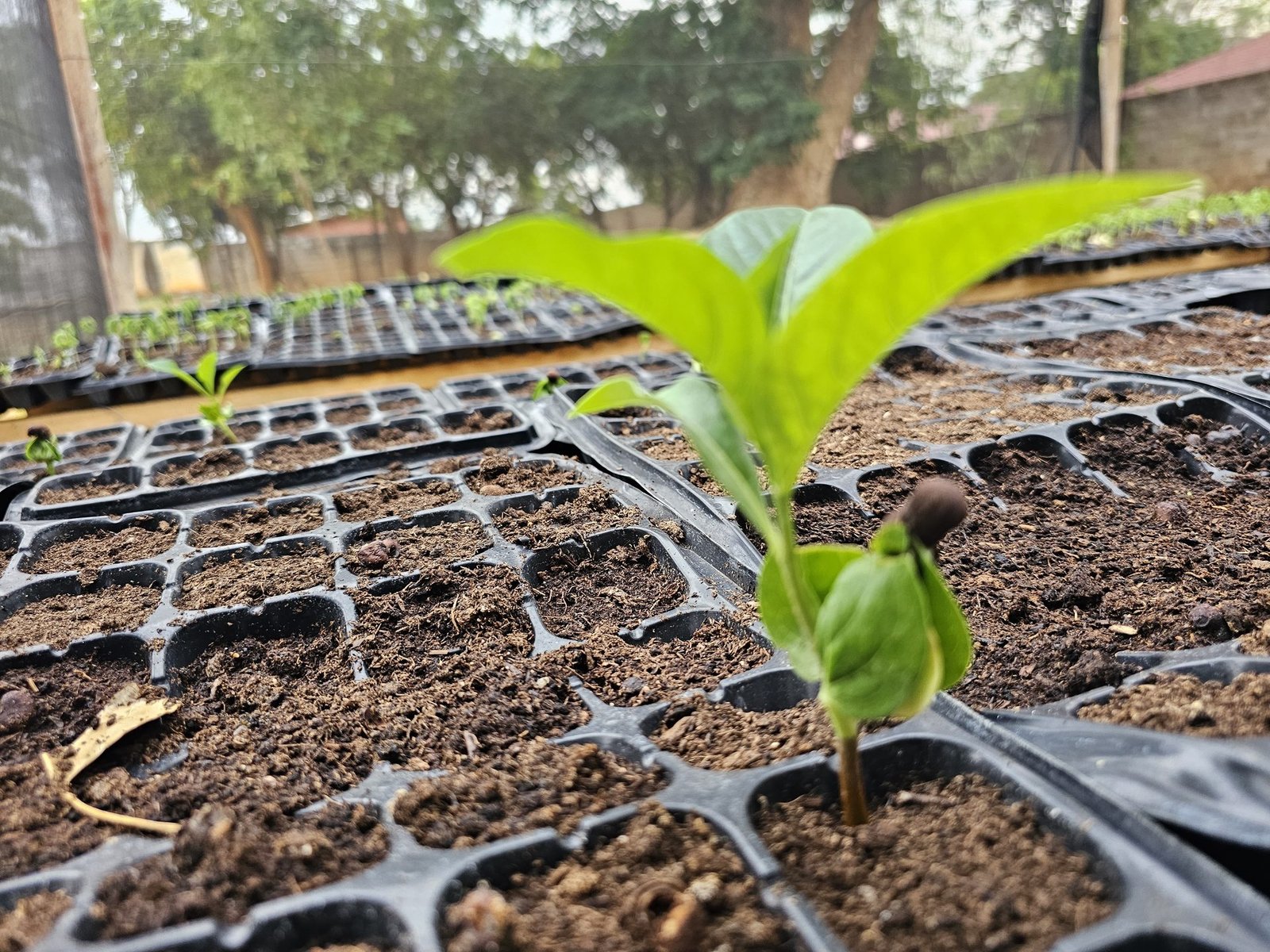
These close-up photos show Baobab seeds at the very moment of germination: the seed coat splitting, the radicle (first root) emerging, and the first shoot pushing upward.
📅 Germination season: October – December, ready for giveaway January – April.
Step 2
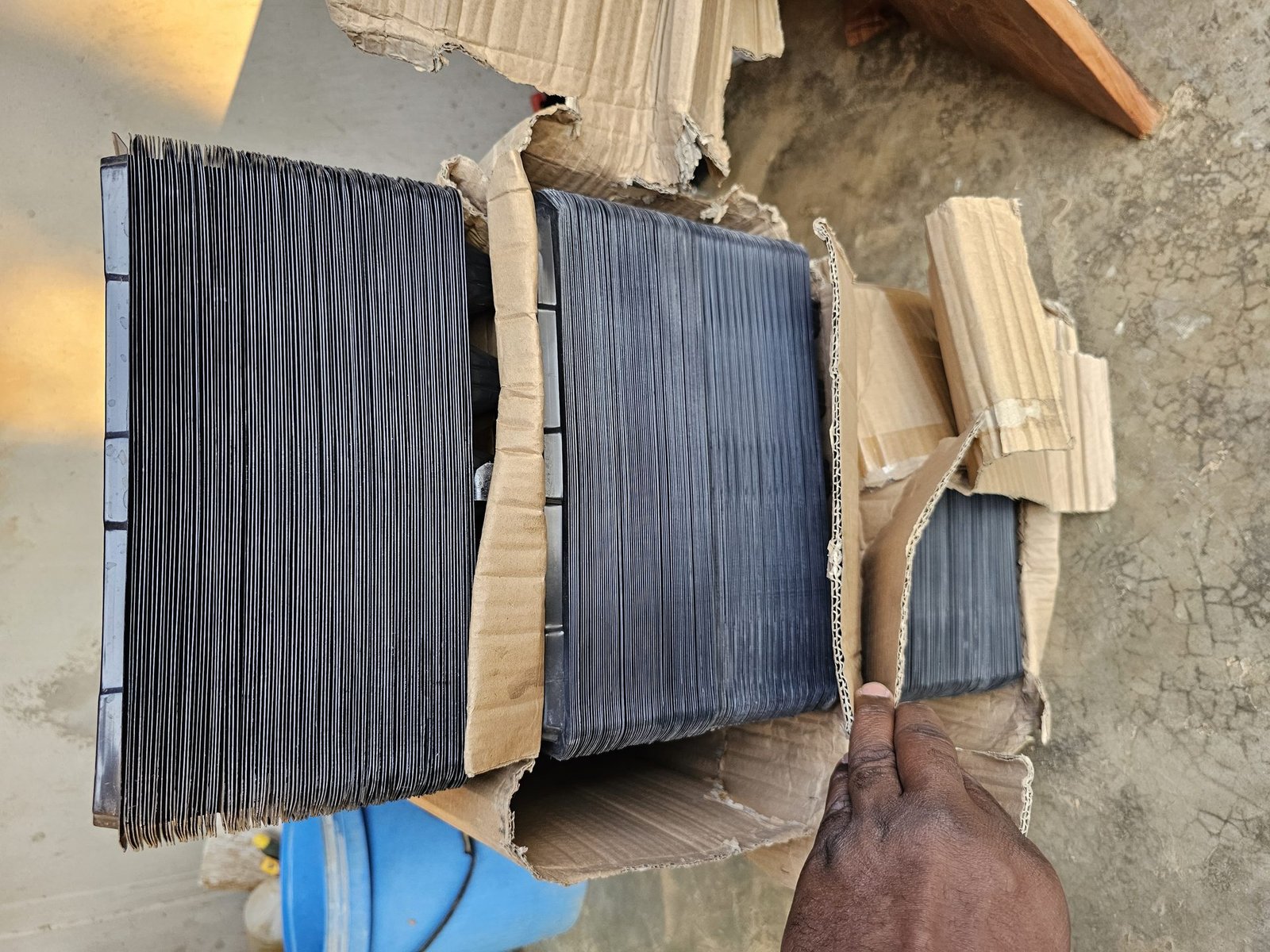
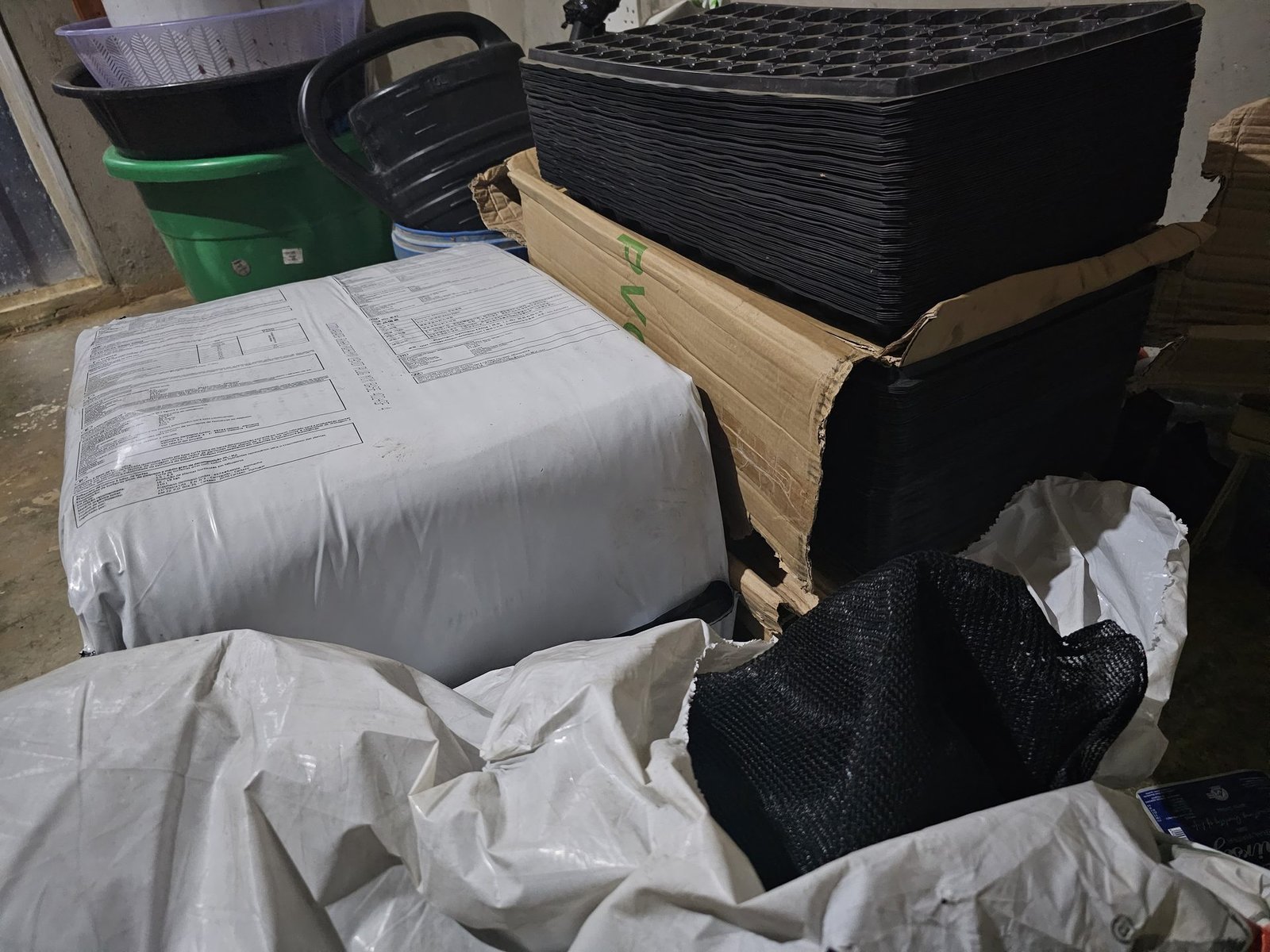
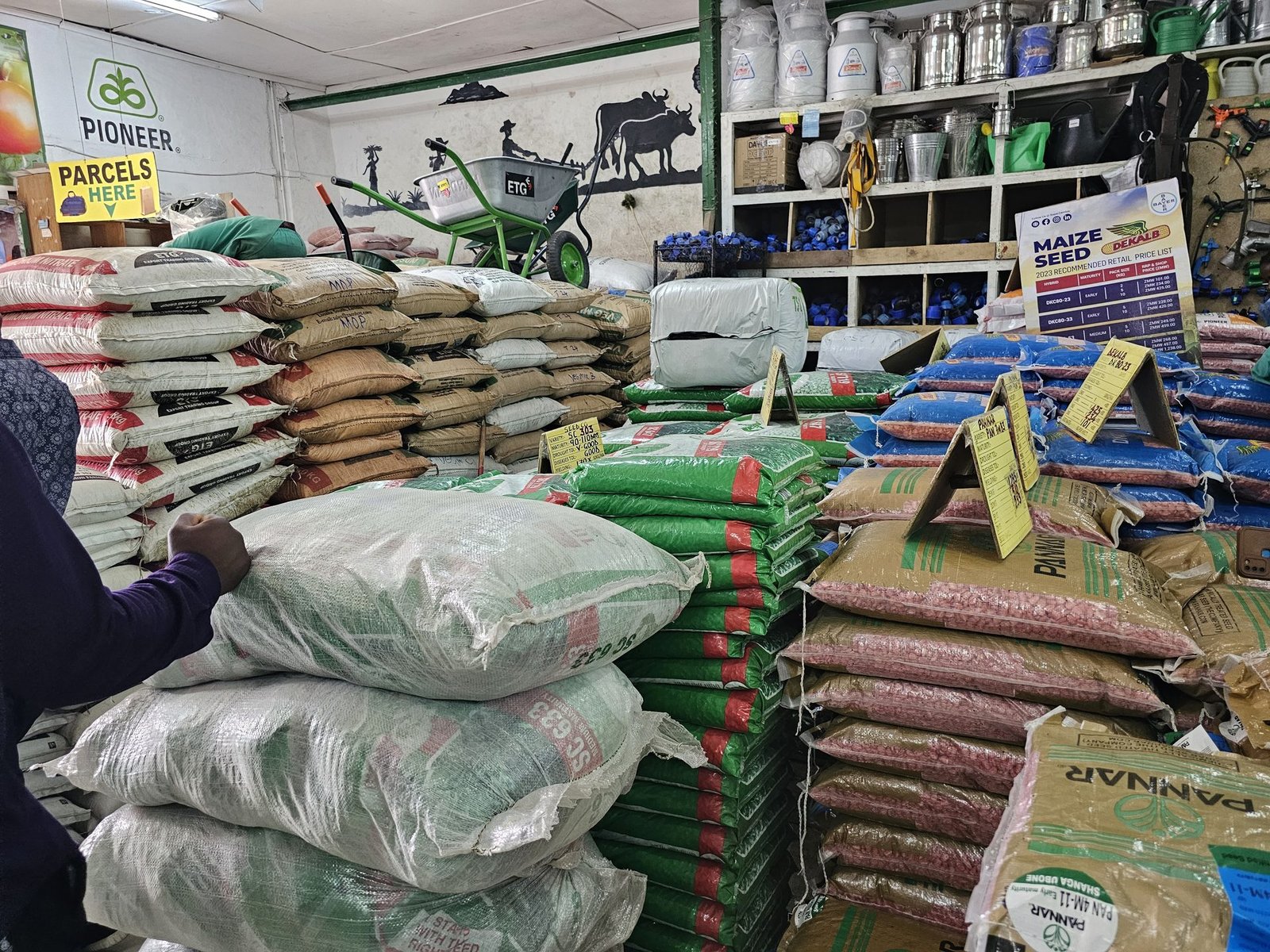
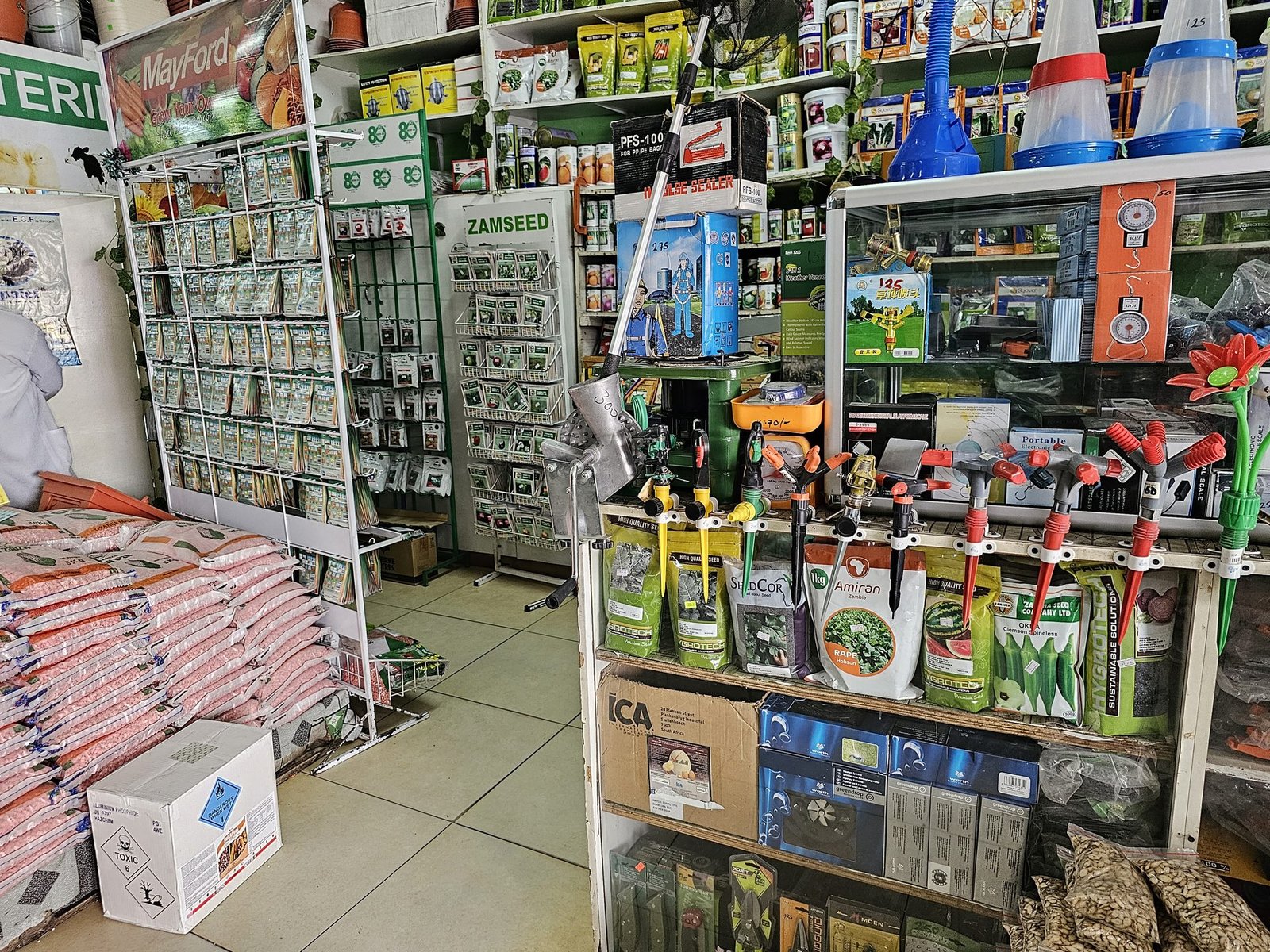
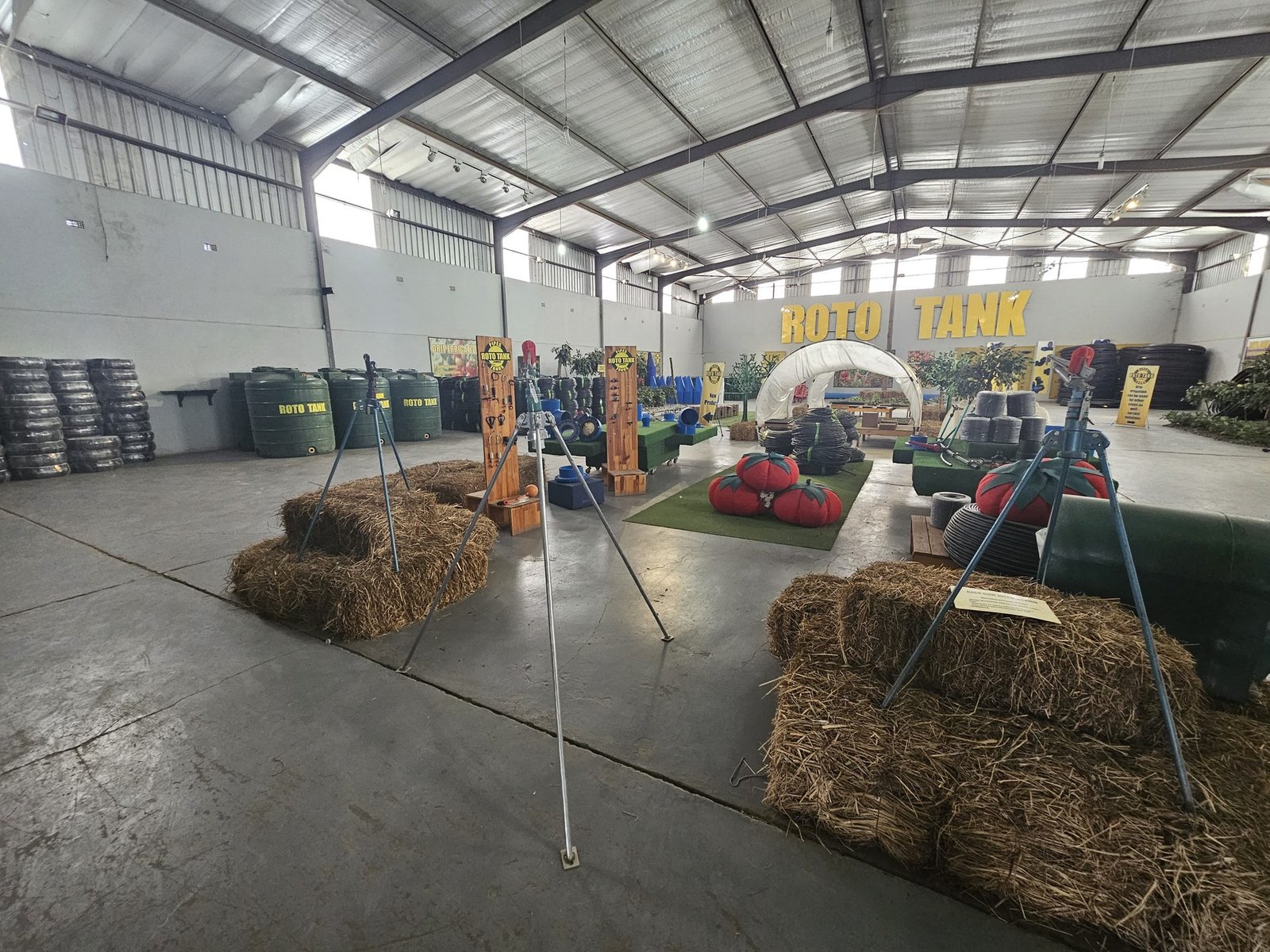
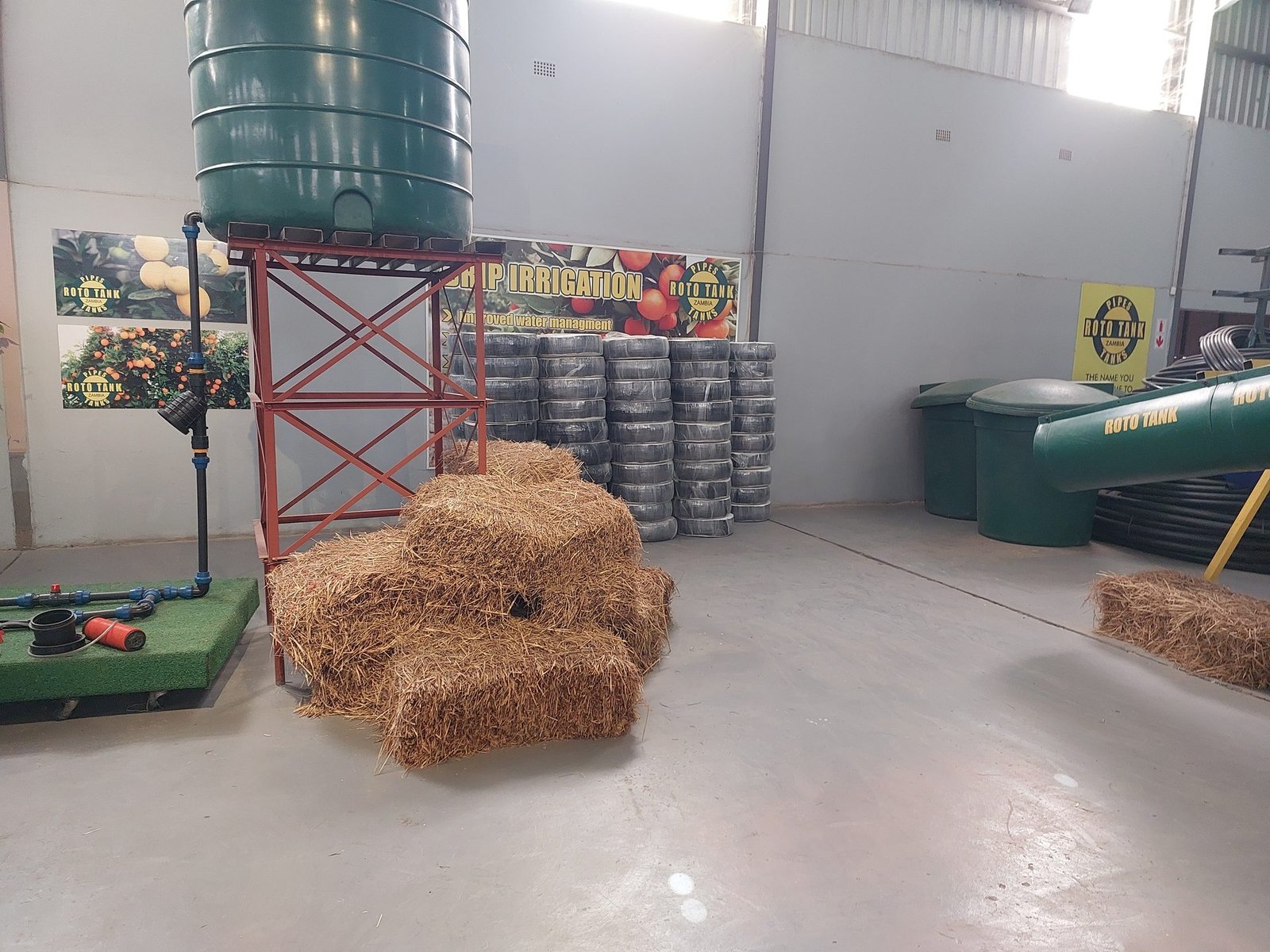
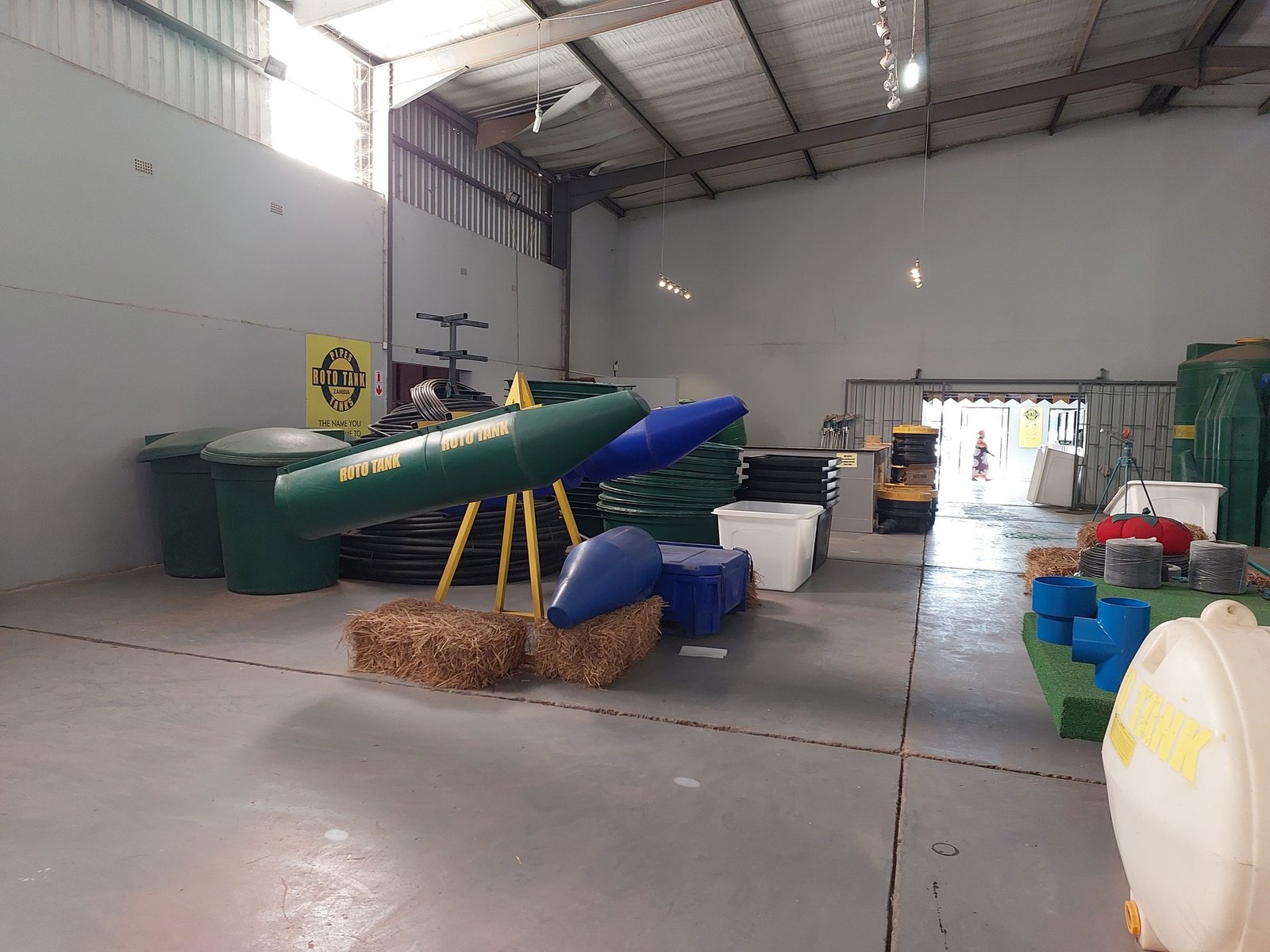
Every season starts with a supplies run. Germination trays, grow bags, growing medium, shade netting, irrigation hose, fertilisers — all sourced locally from Zambian agricultural suppliers. These photos show our team stocking up across multiple supply shops in Lusaka.
The stacks of trays, bags of growing medium, and rolls of shade netting you see here represent one season's nursery capacity. Scaling to 1,000,000 trees means doing this — much bigger — every year.

Step 3
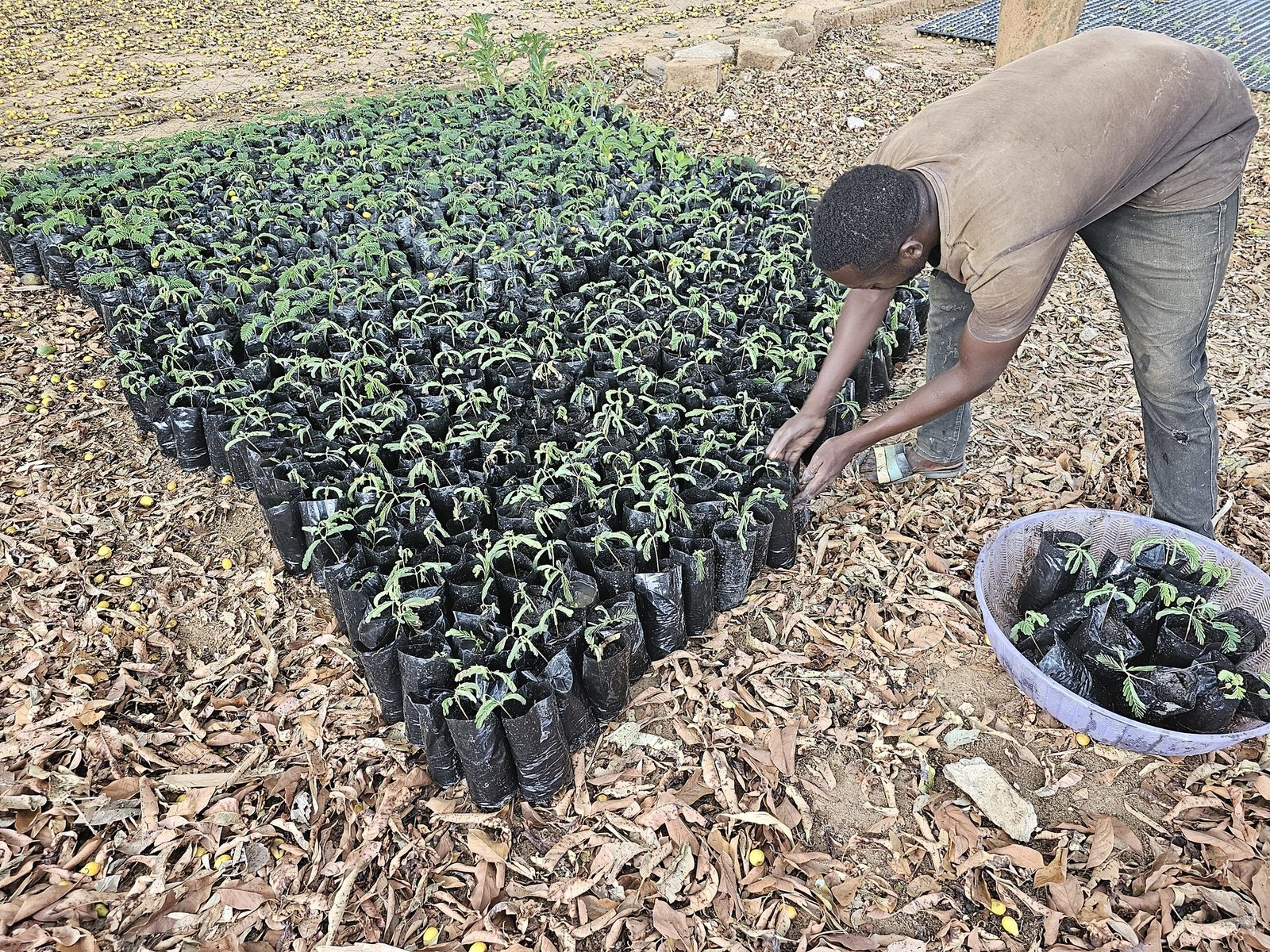
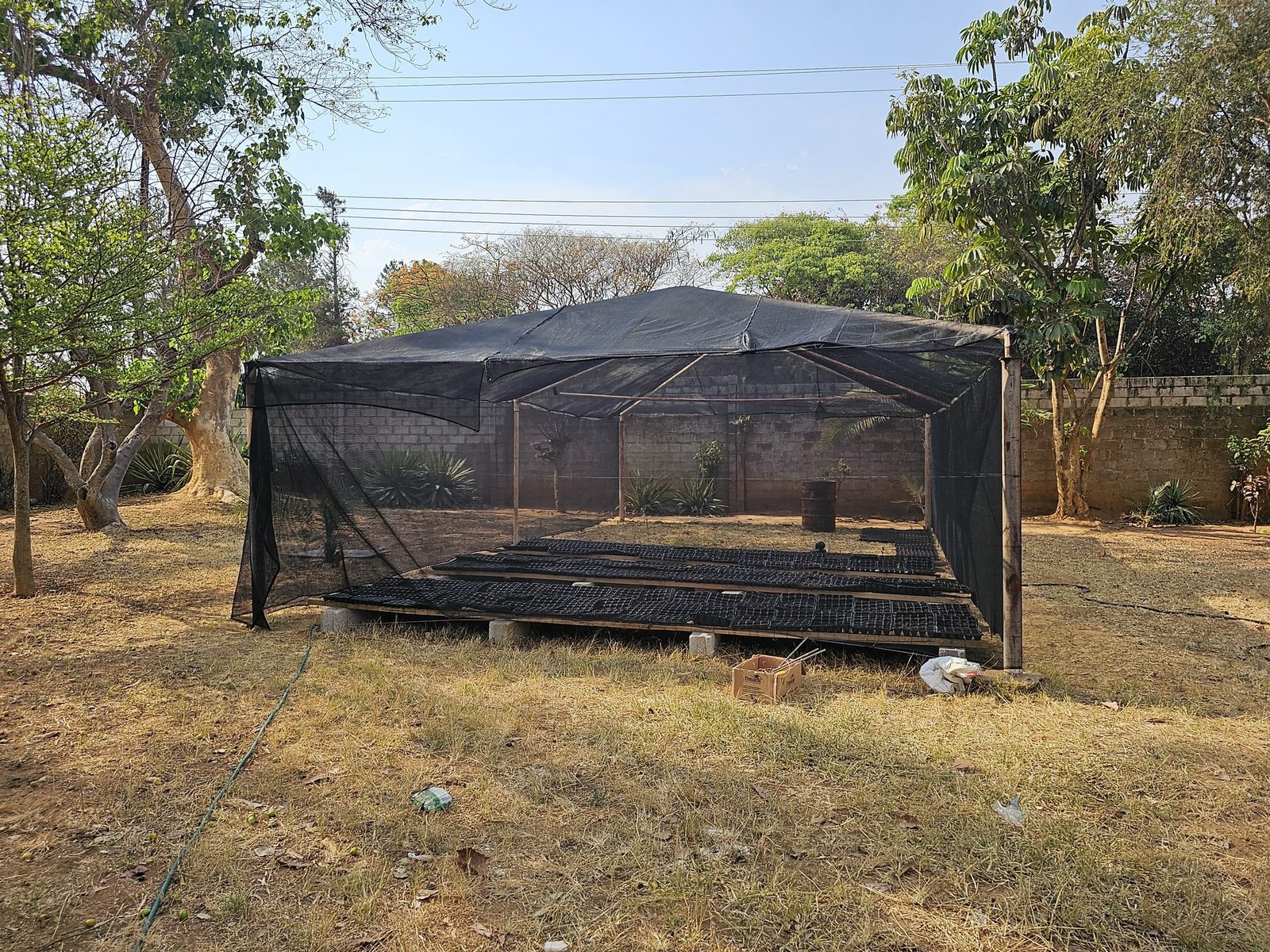
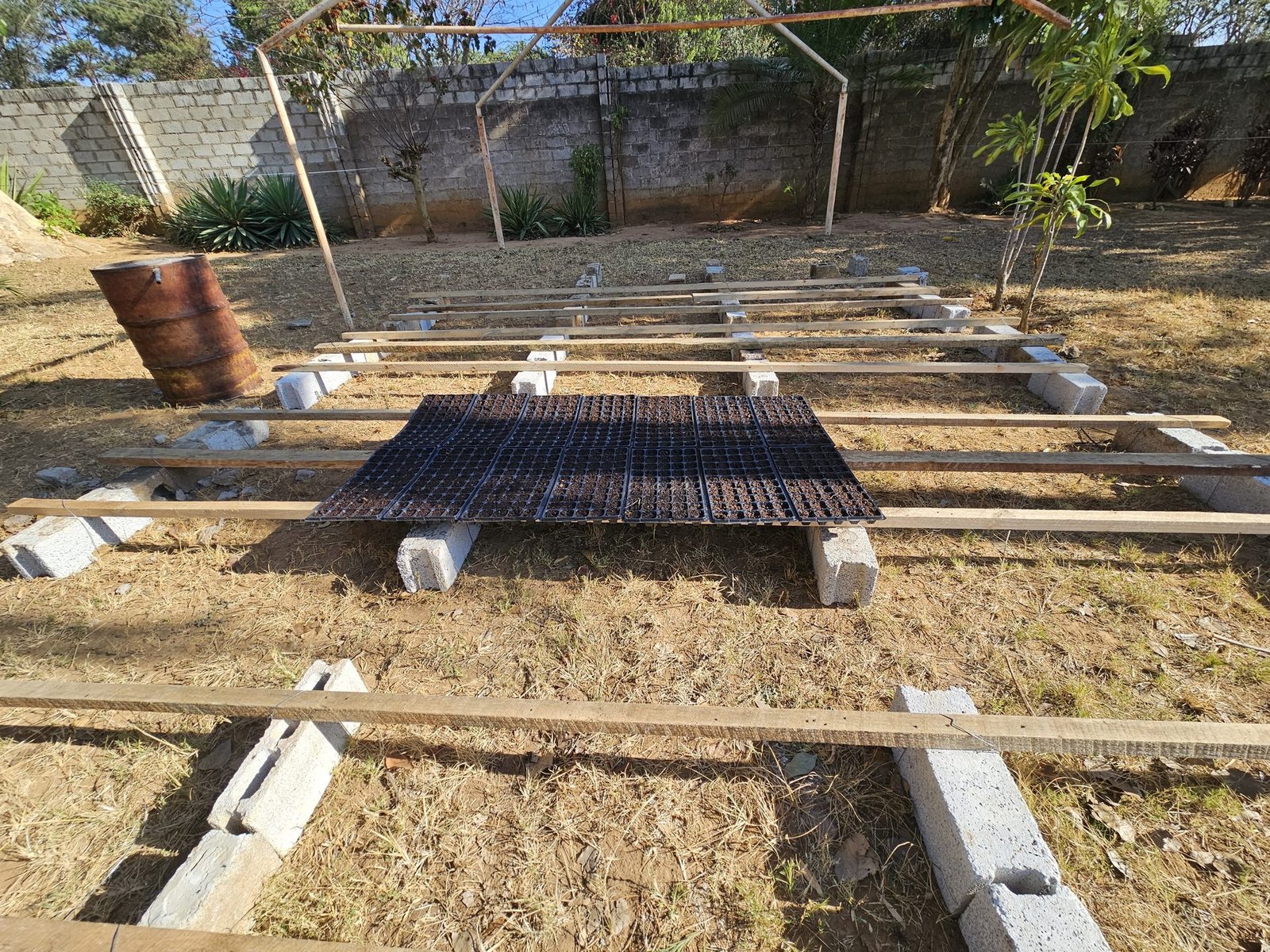
Our nursery isn't bought or rented — it's hand-built every season. Here's the full construction sequence, from bare ground to a working shade house full of seedlings.
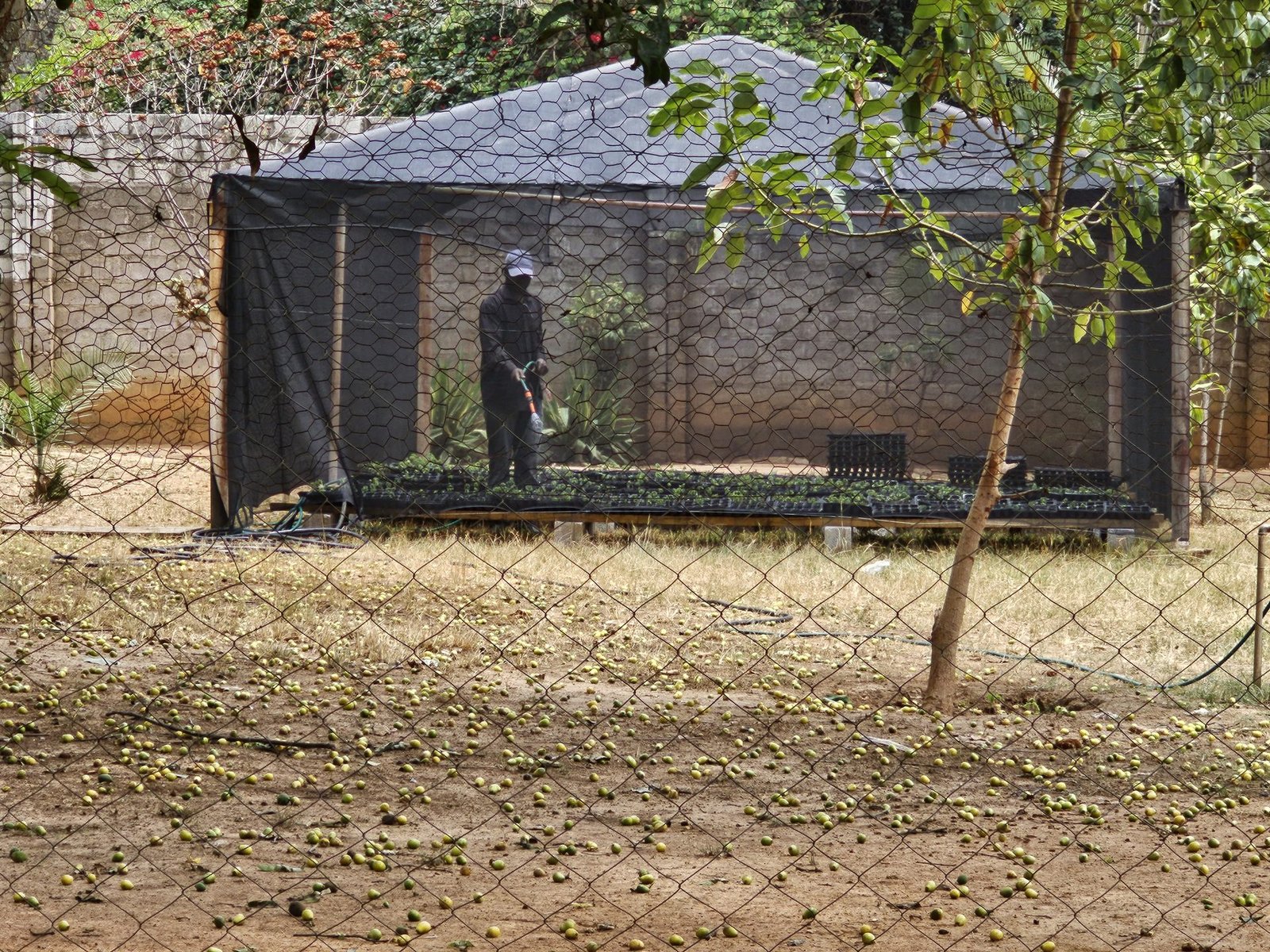 Stage 1
Frame erected
Stage 1
Frame erected
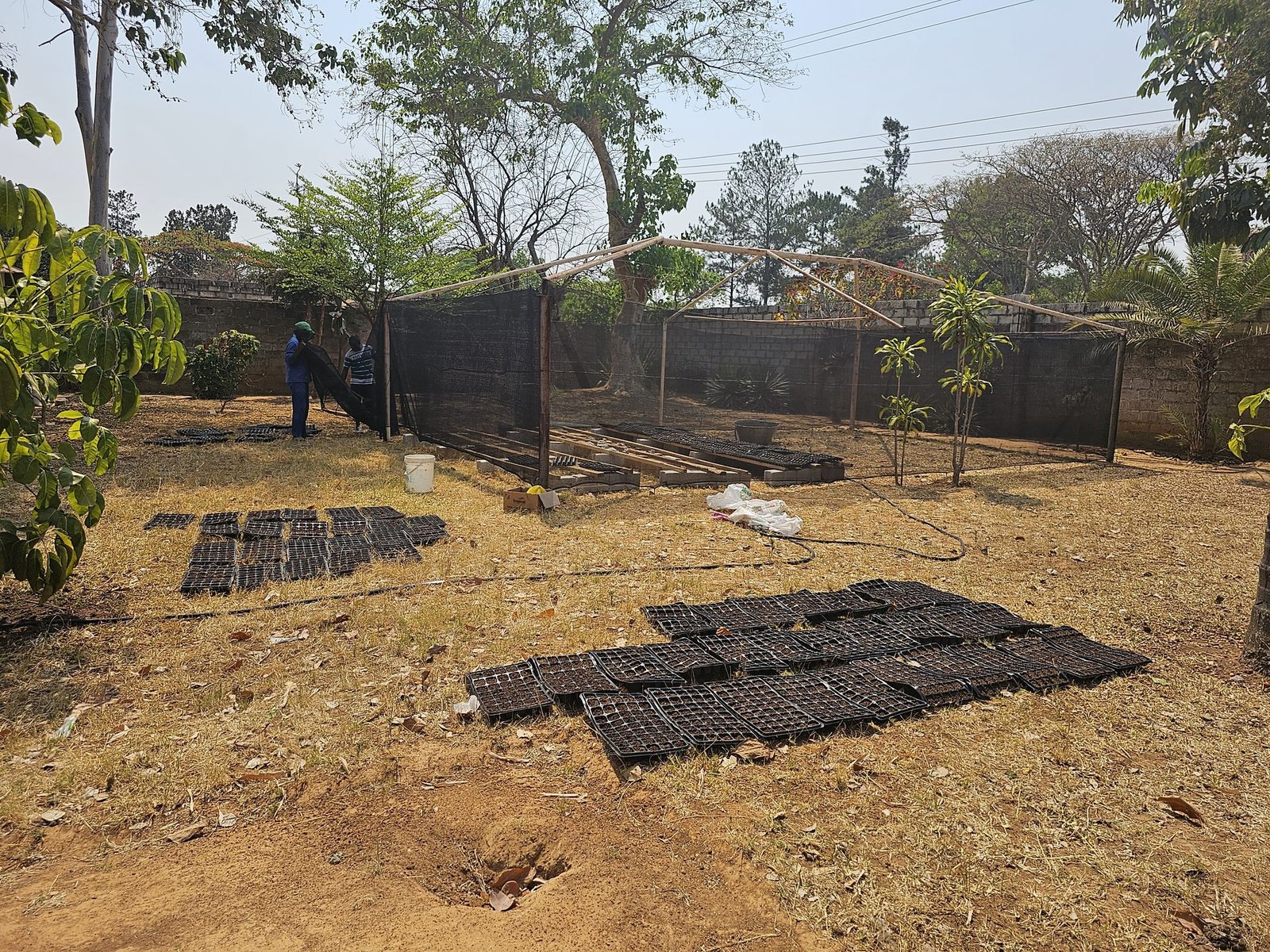 Stage 2
Netting hung
Stage 2
Netting hung
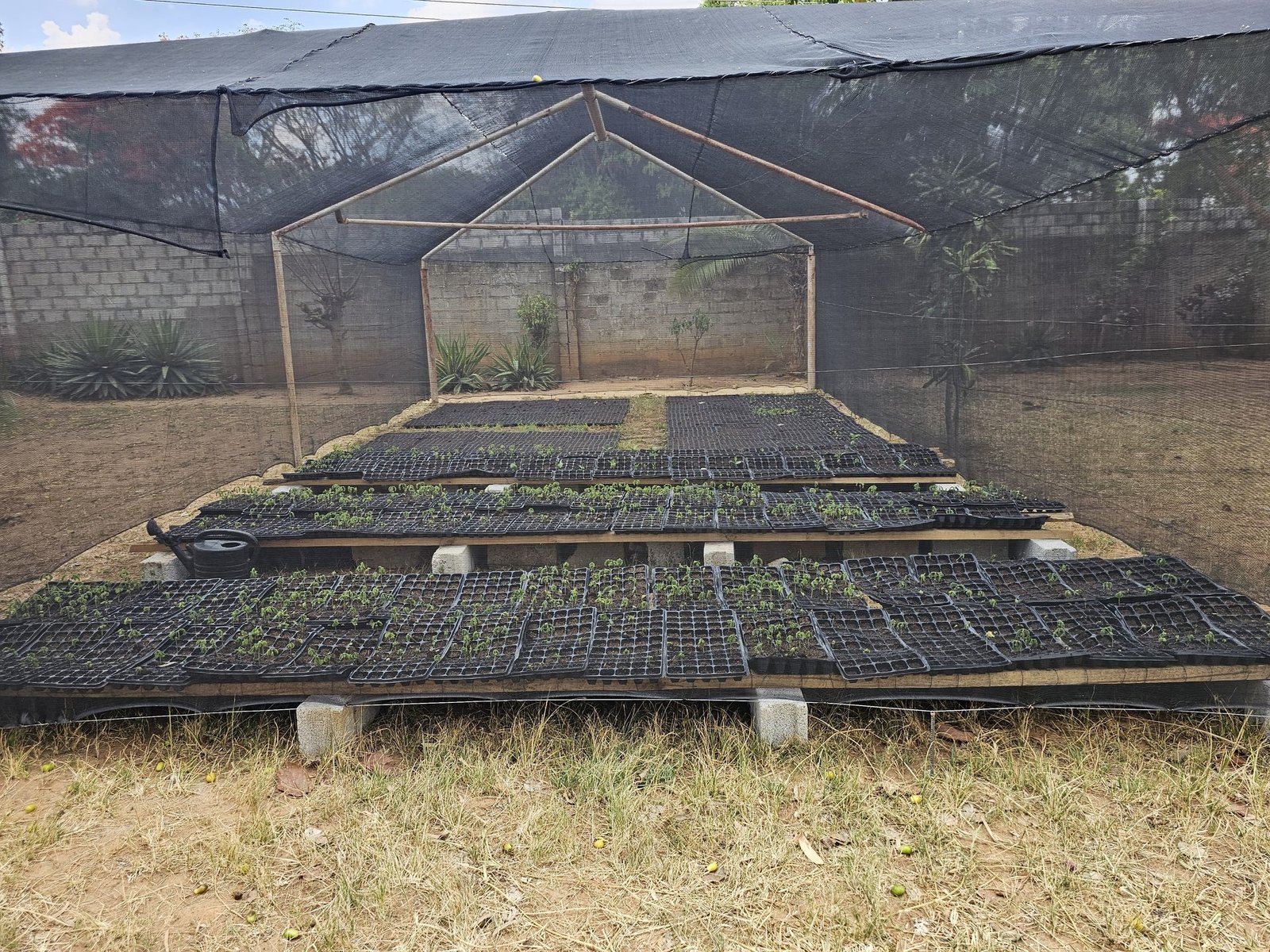 Stage 3
Structure complete
Stage 3
Structure complete
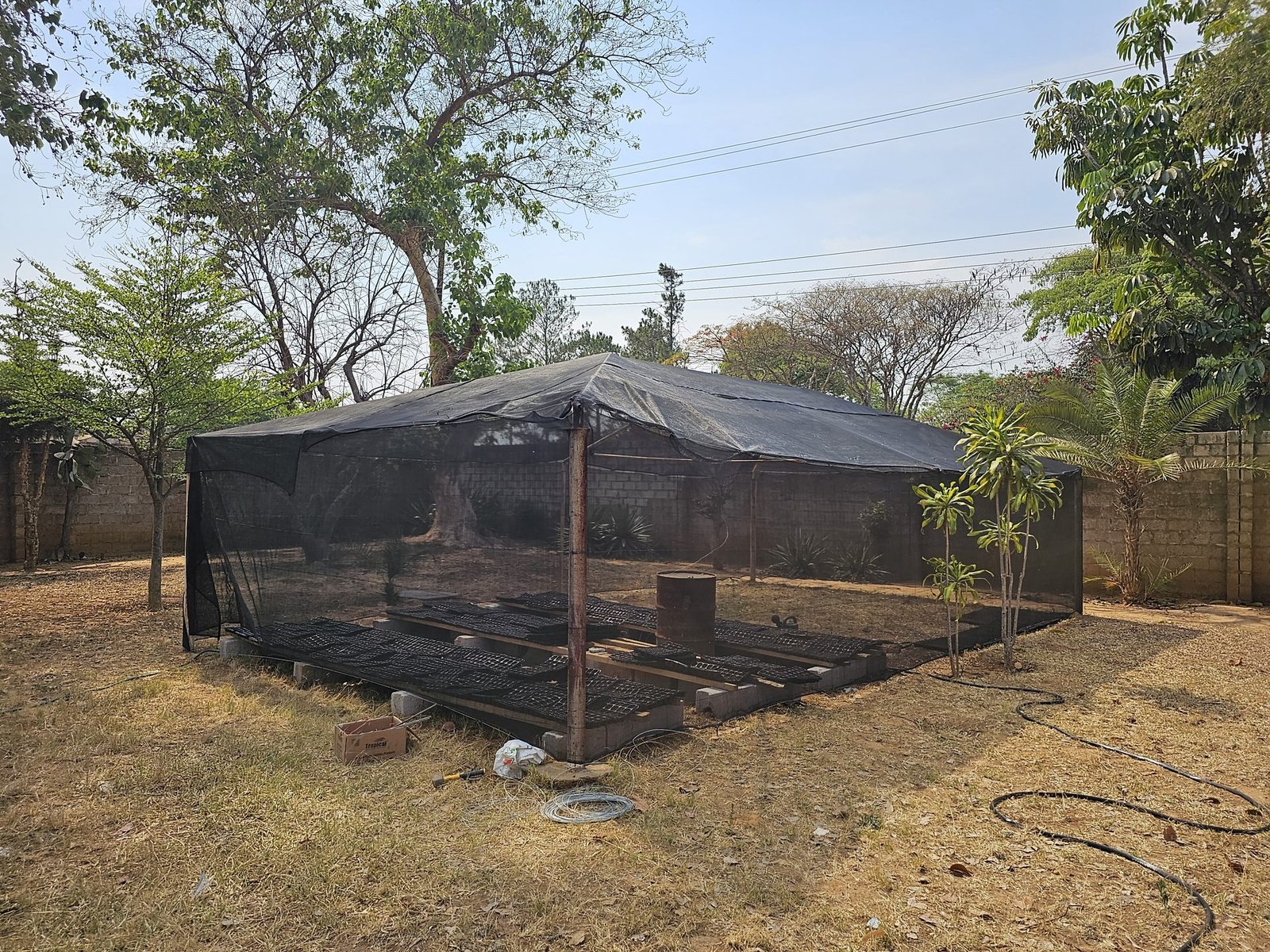 Stage 4
Trays seeded
Stage 4
Trays seeded
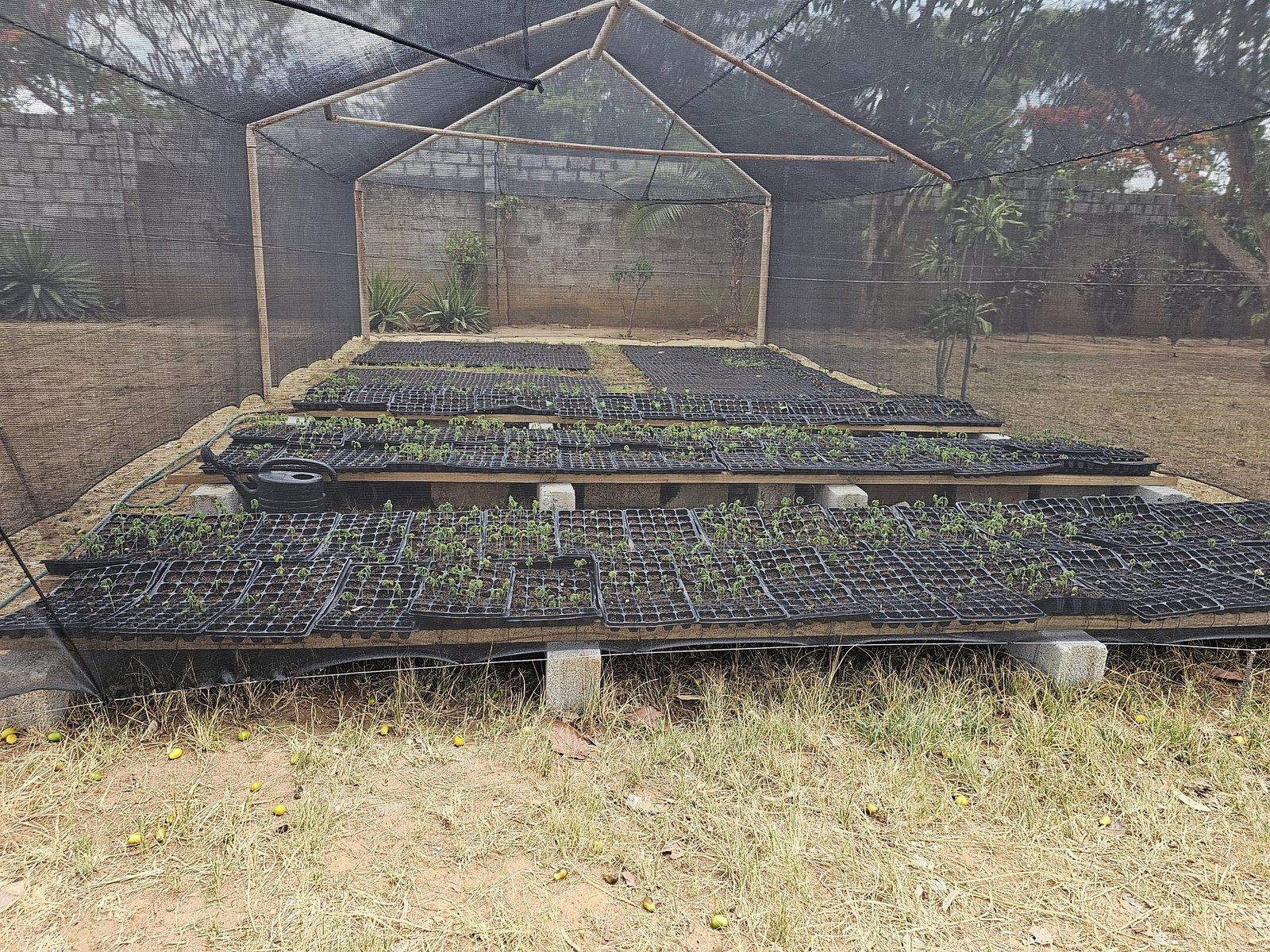 Stage 5
Full production
Stage 5
Full production
Step 4
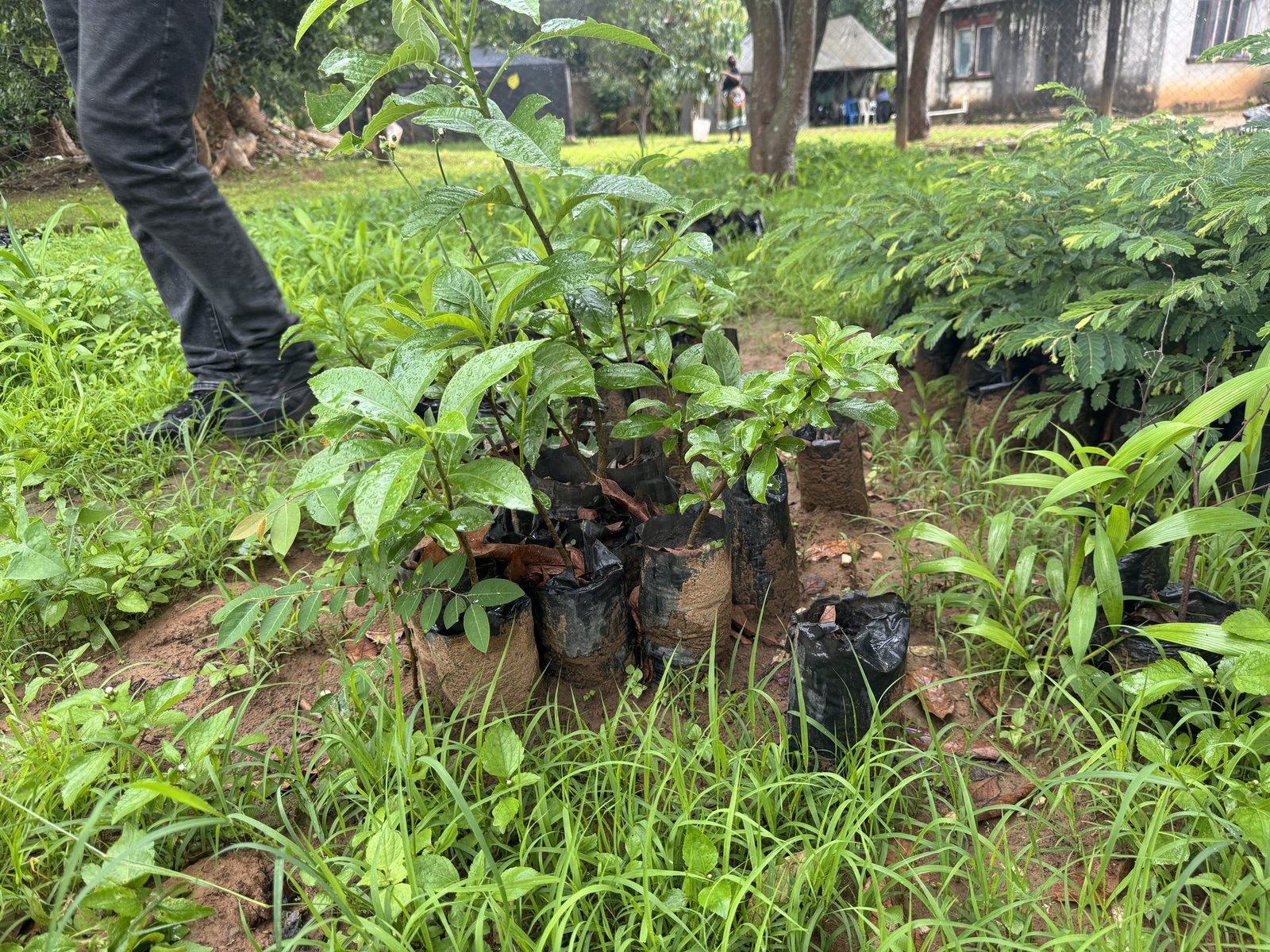
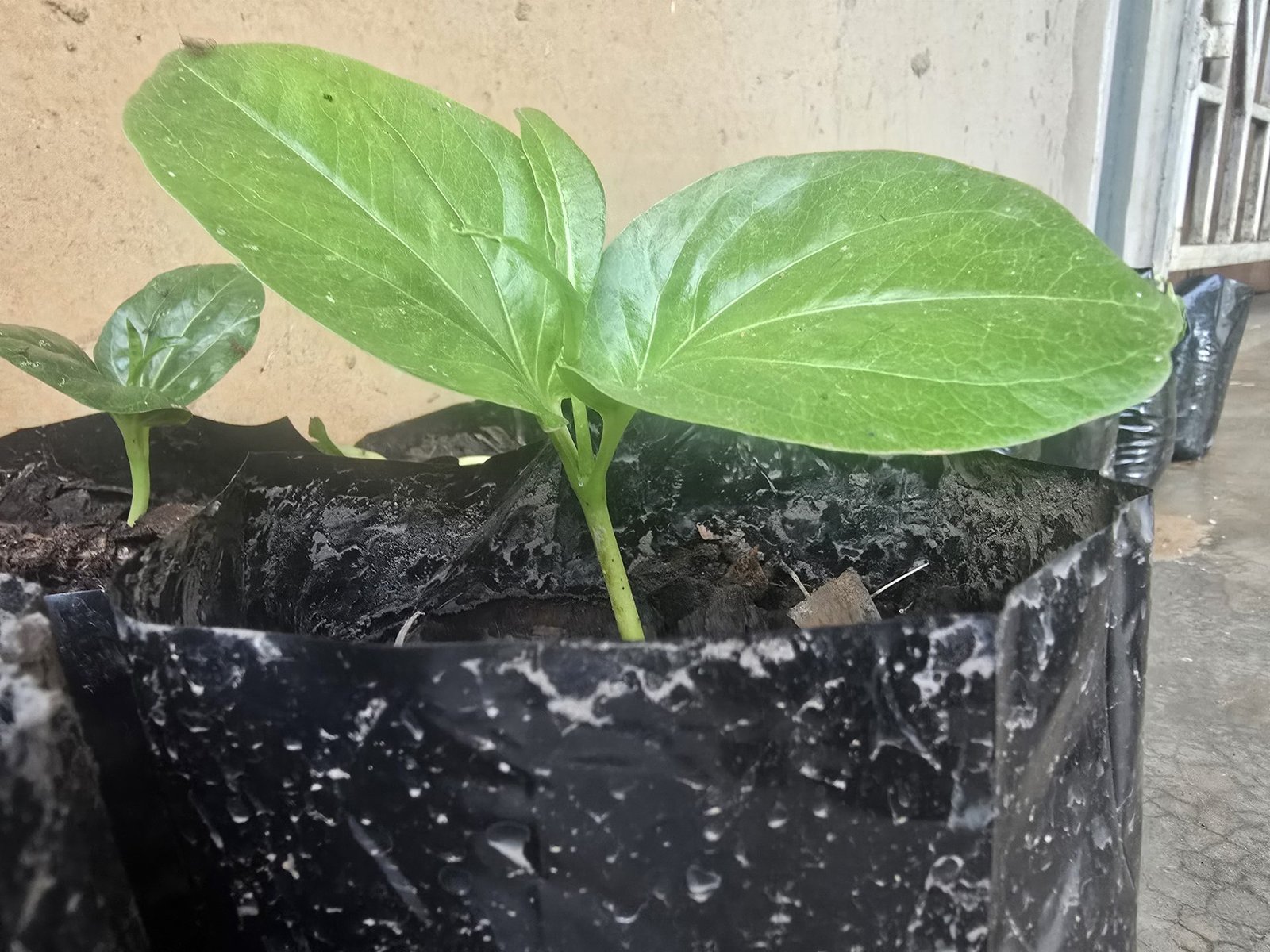
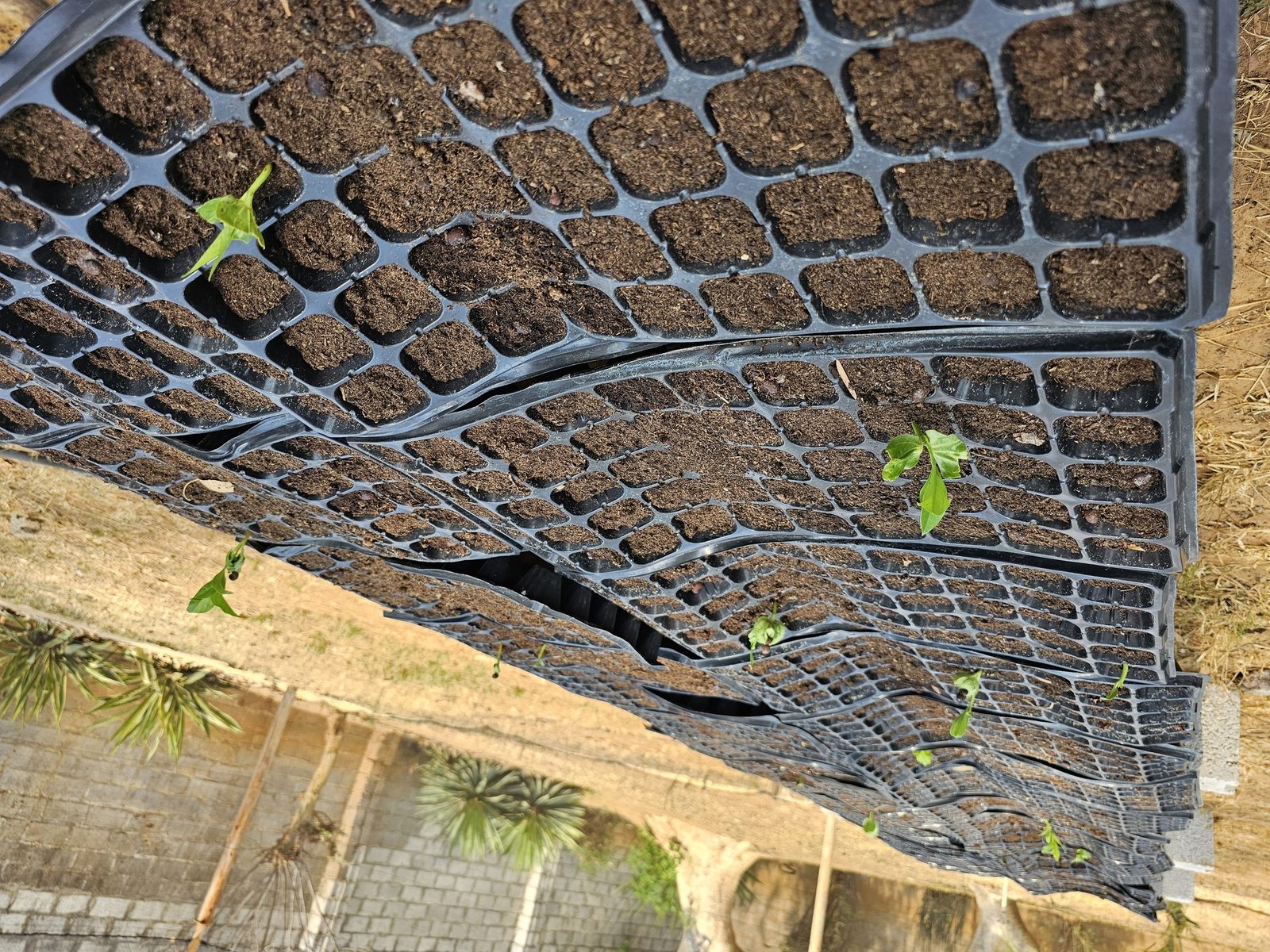
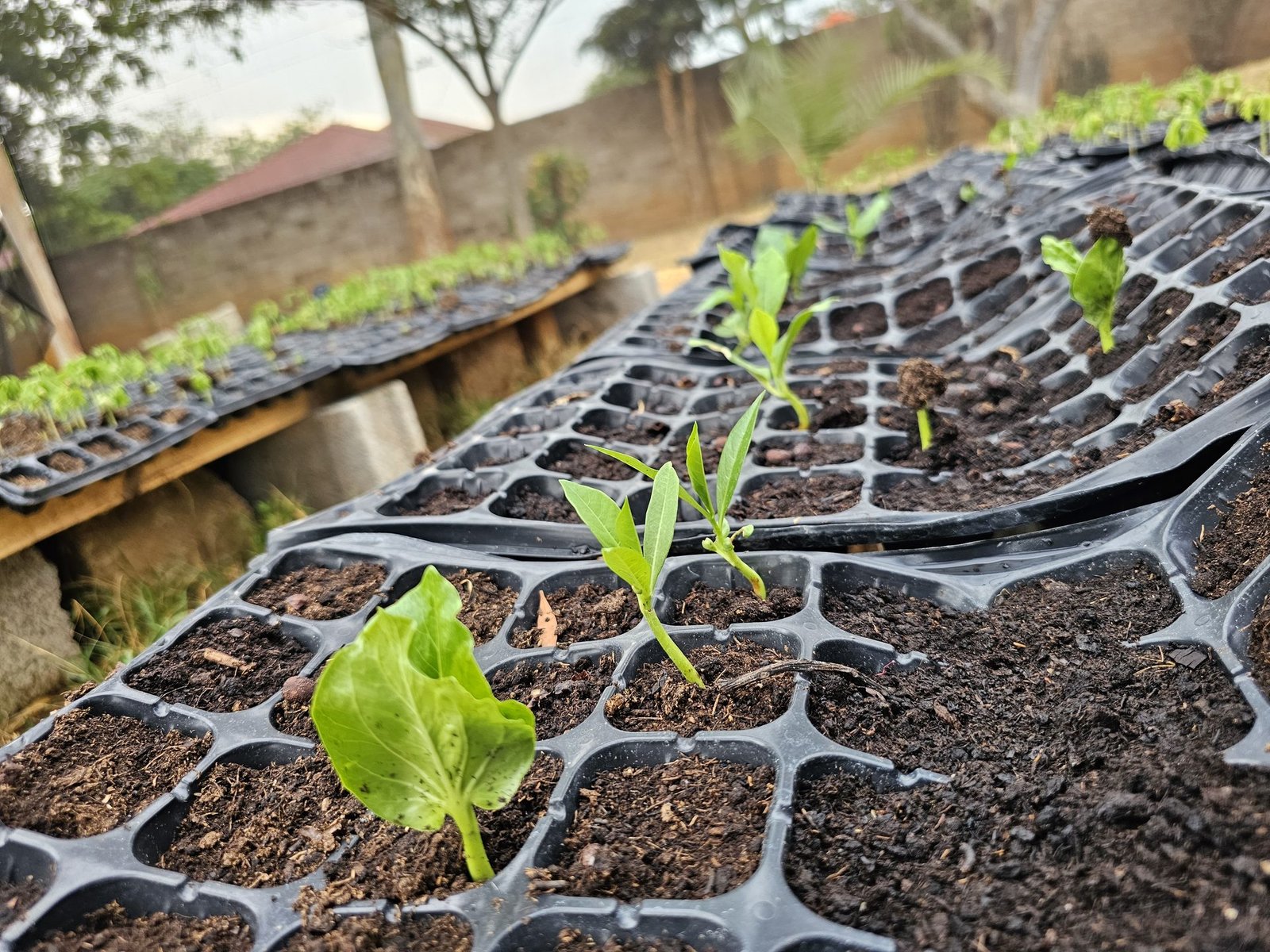
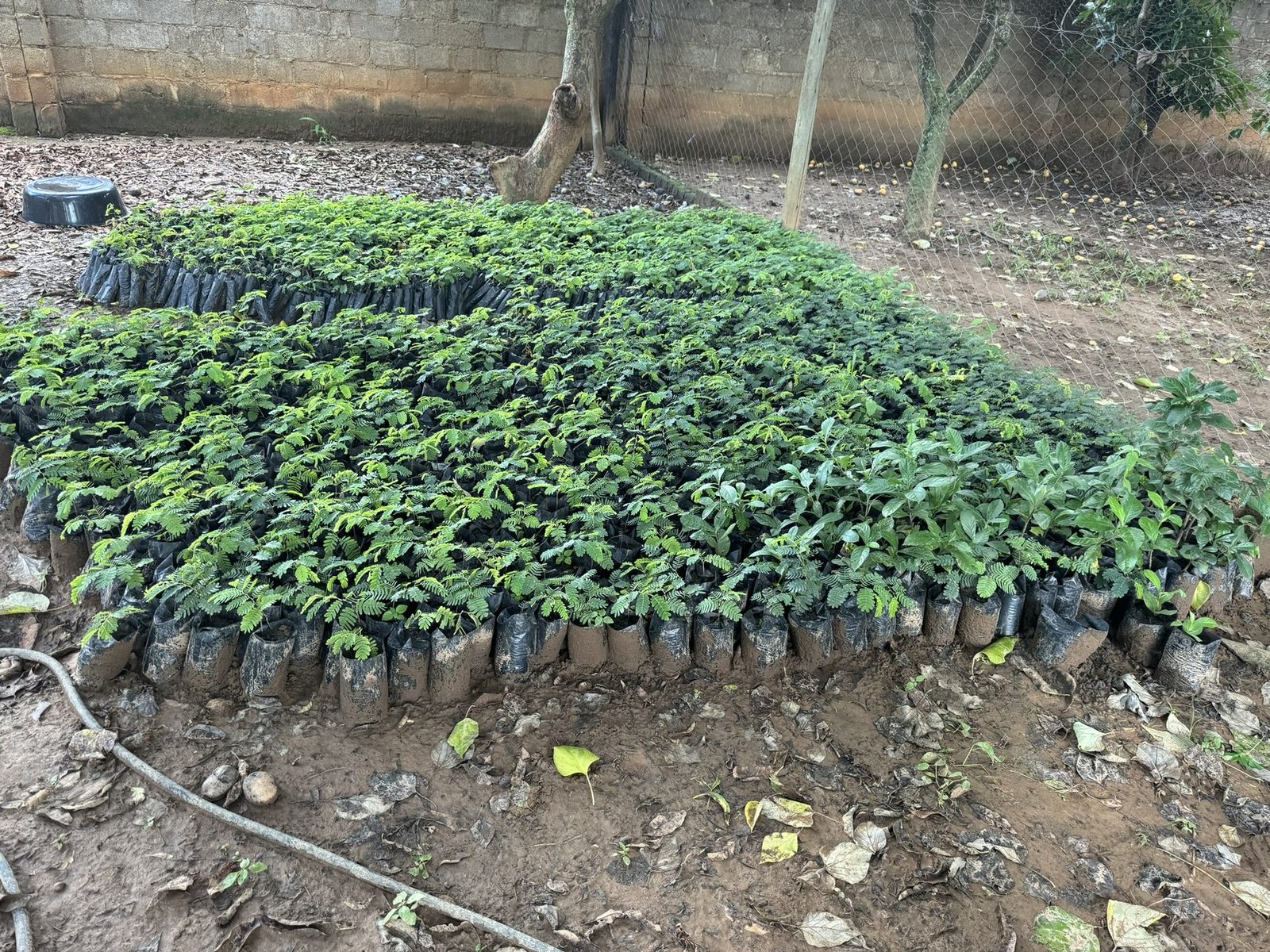
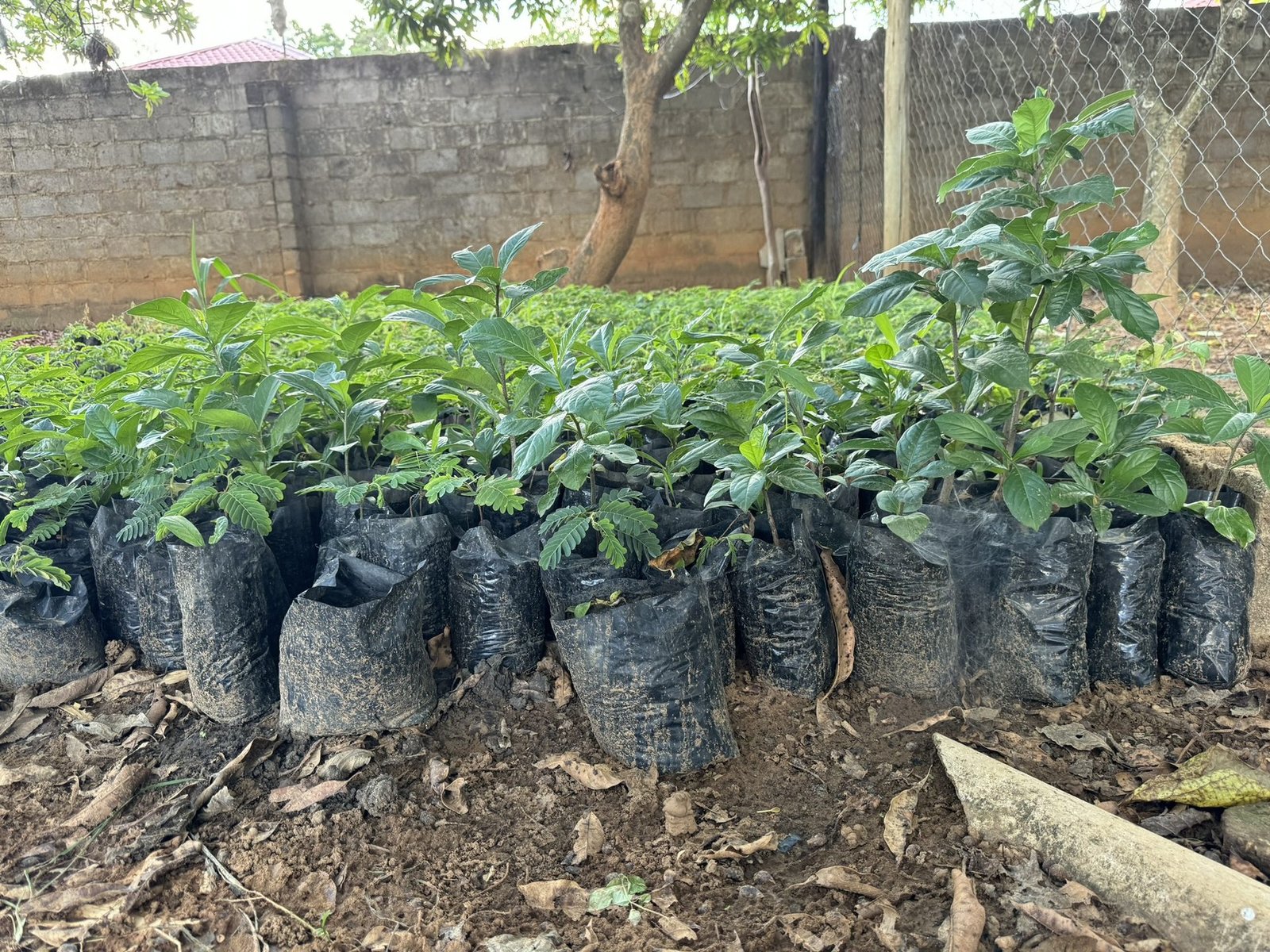
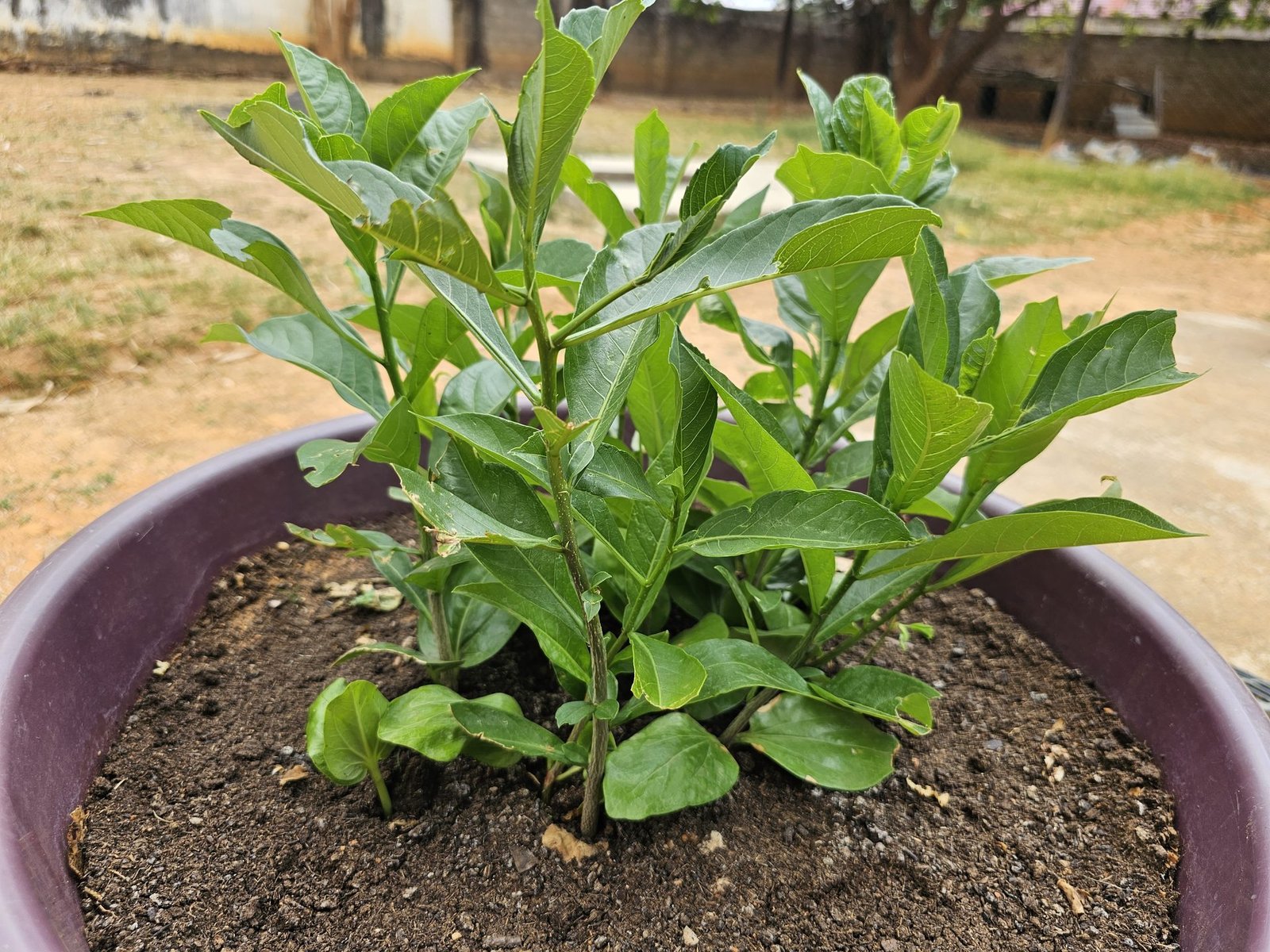
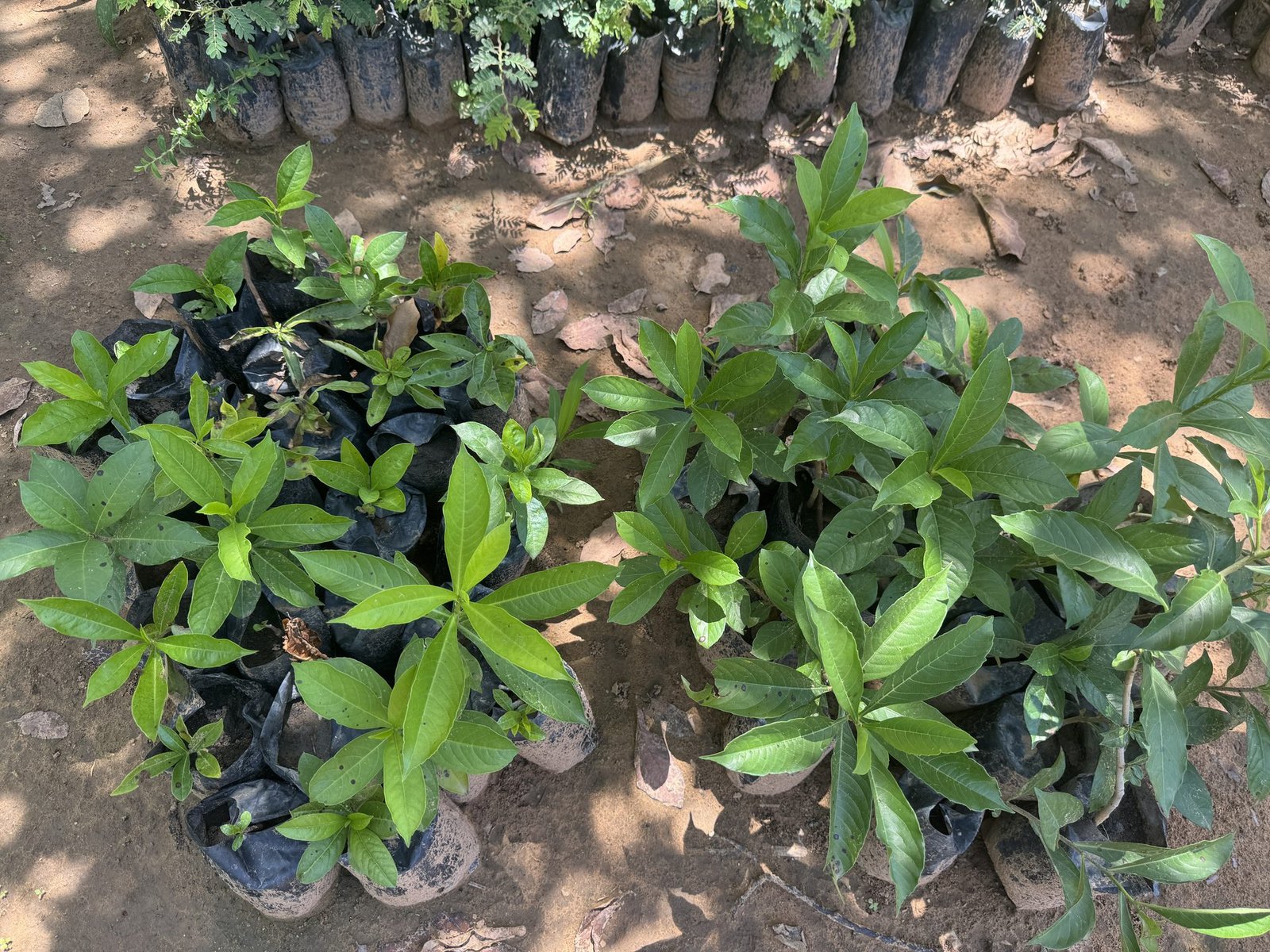
Once seedlings are strong enough in their germination trays, they're carefully pricked out and potted into individual grow bags where they continue developing. Each stage — tray seedling, potted seedling, hardened-off plant ready for community distribution — requires different care and timing.
These photos show the full progression: trays of tiny seedlings just days old, through to robust young baobabs with their characteristic broad, glossy leaves fully open.
Step 4
When the nursery is at capacity, thousands of seedlings are growing across hundreds of trays and grow bags — a sea of green representing future forests across Zambia.
Step 5
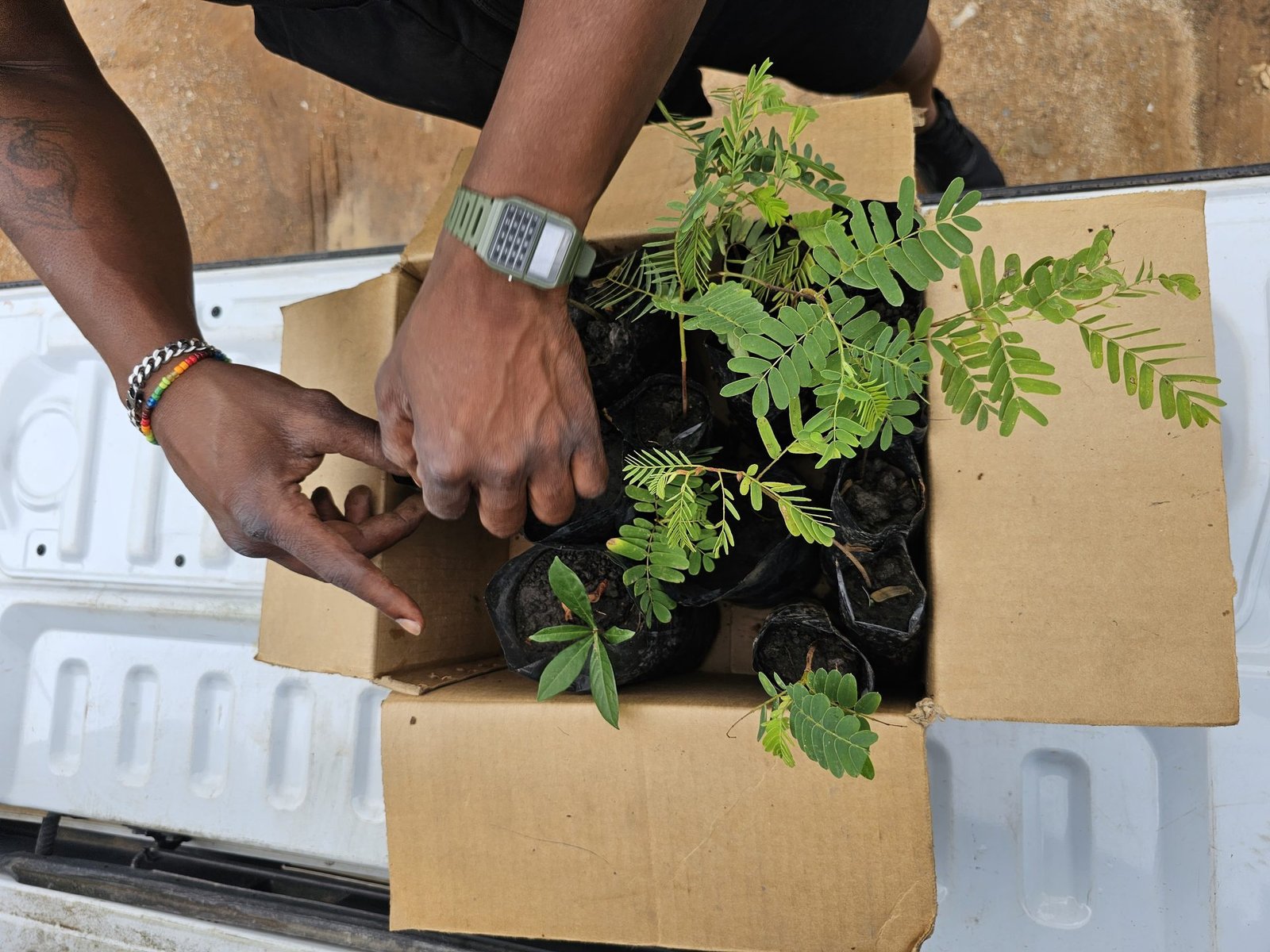
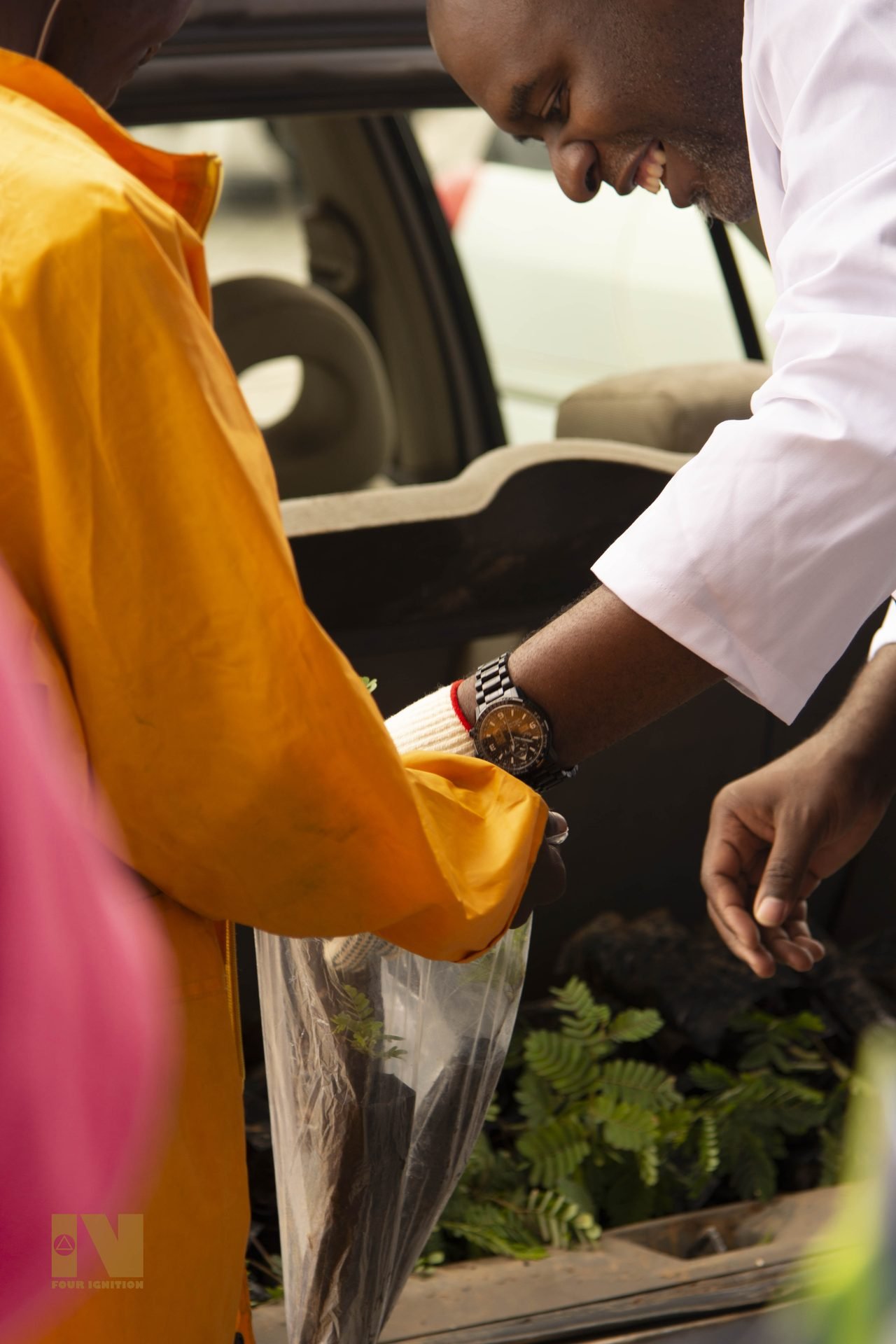
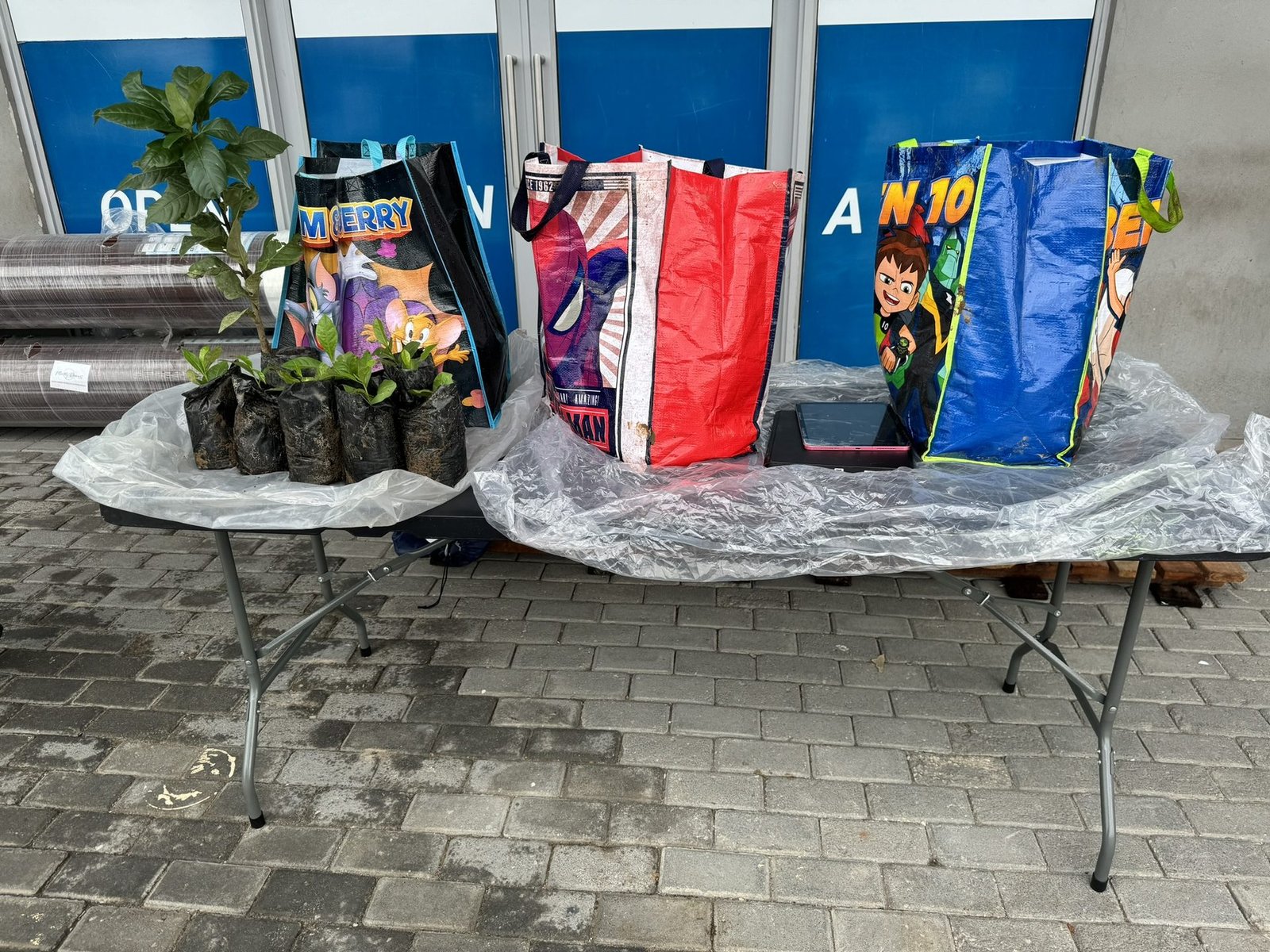
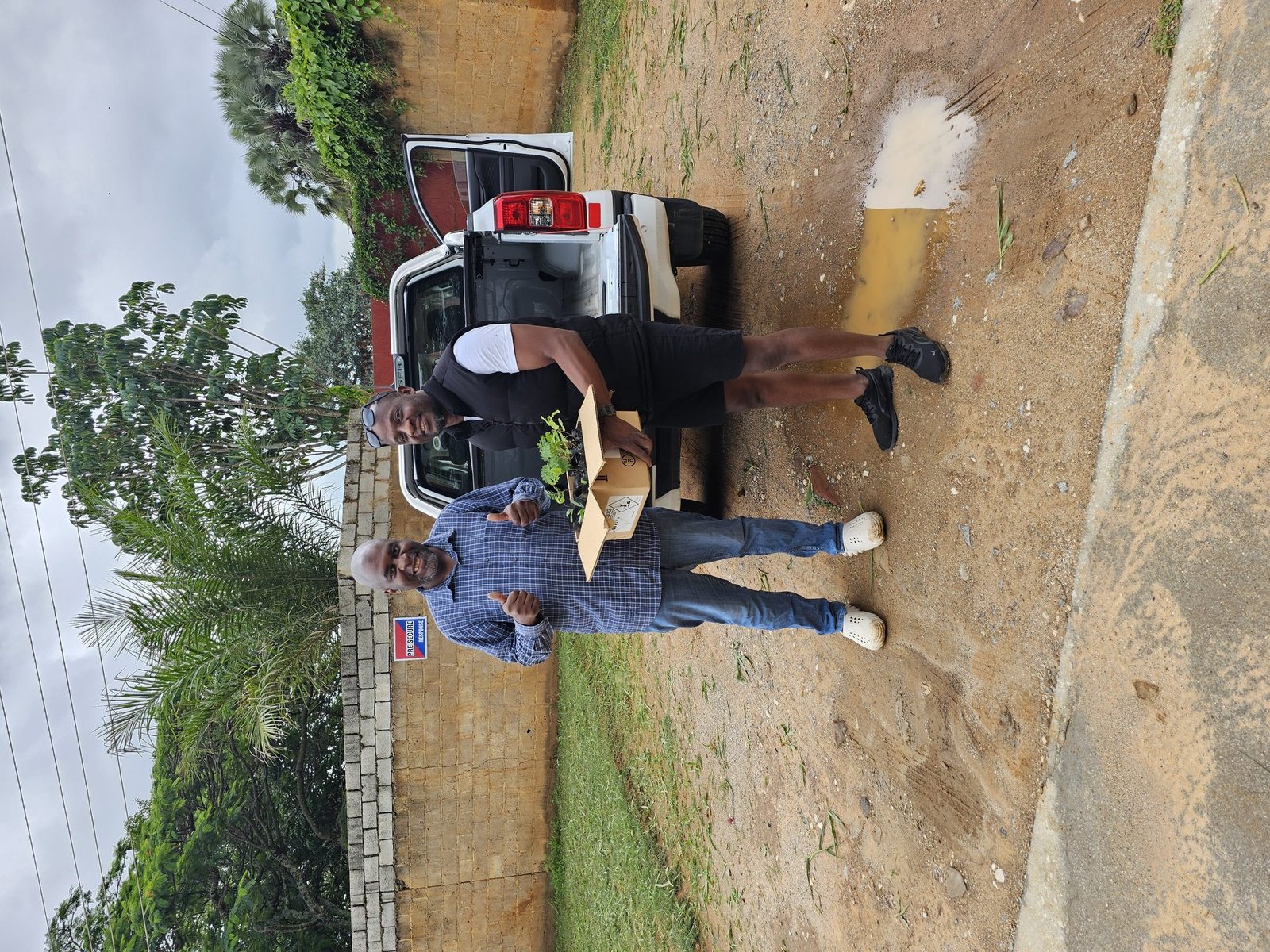
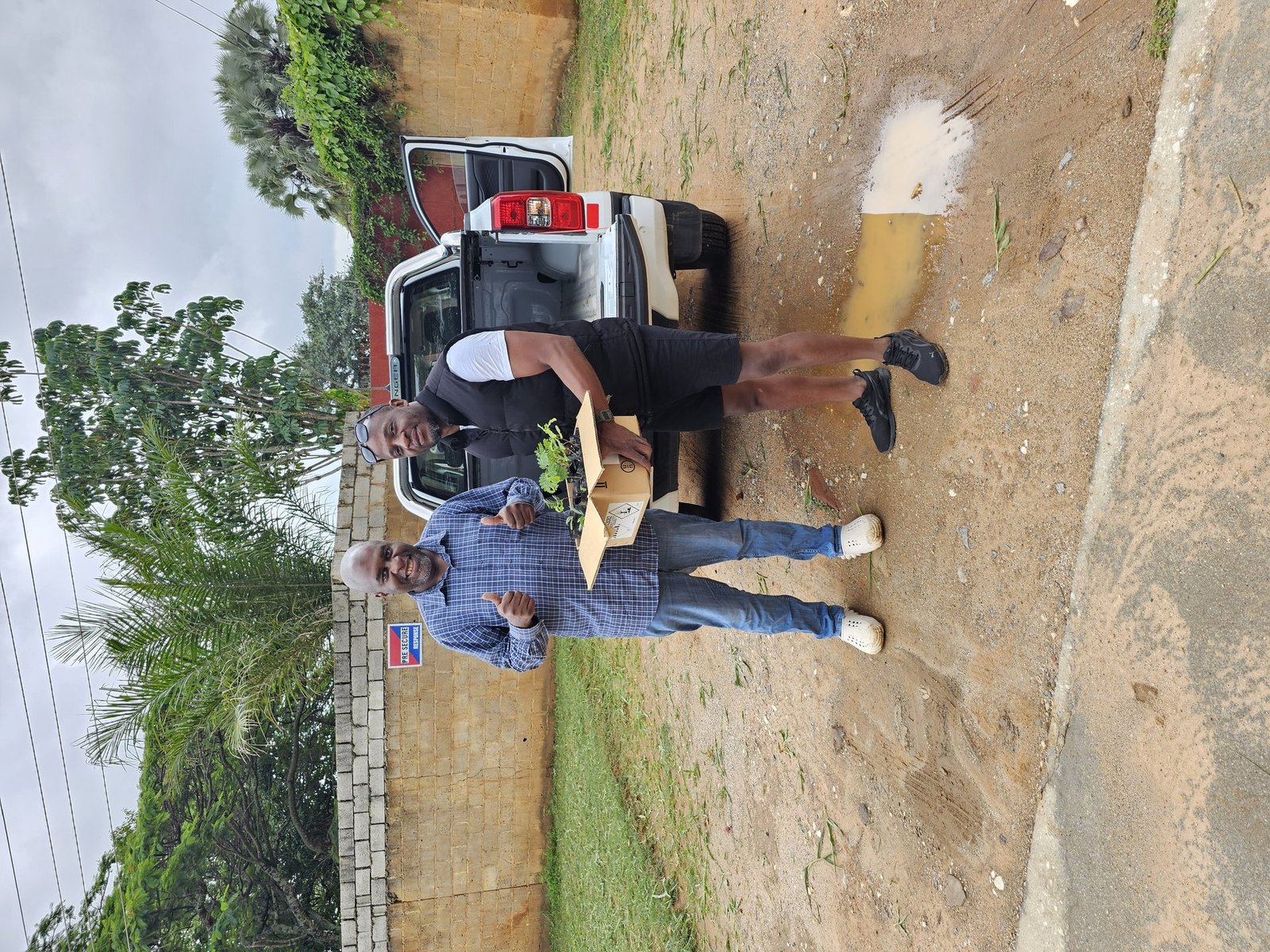
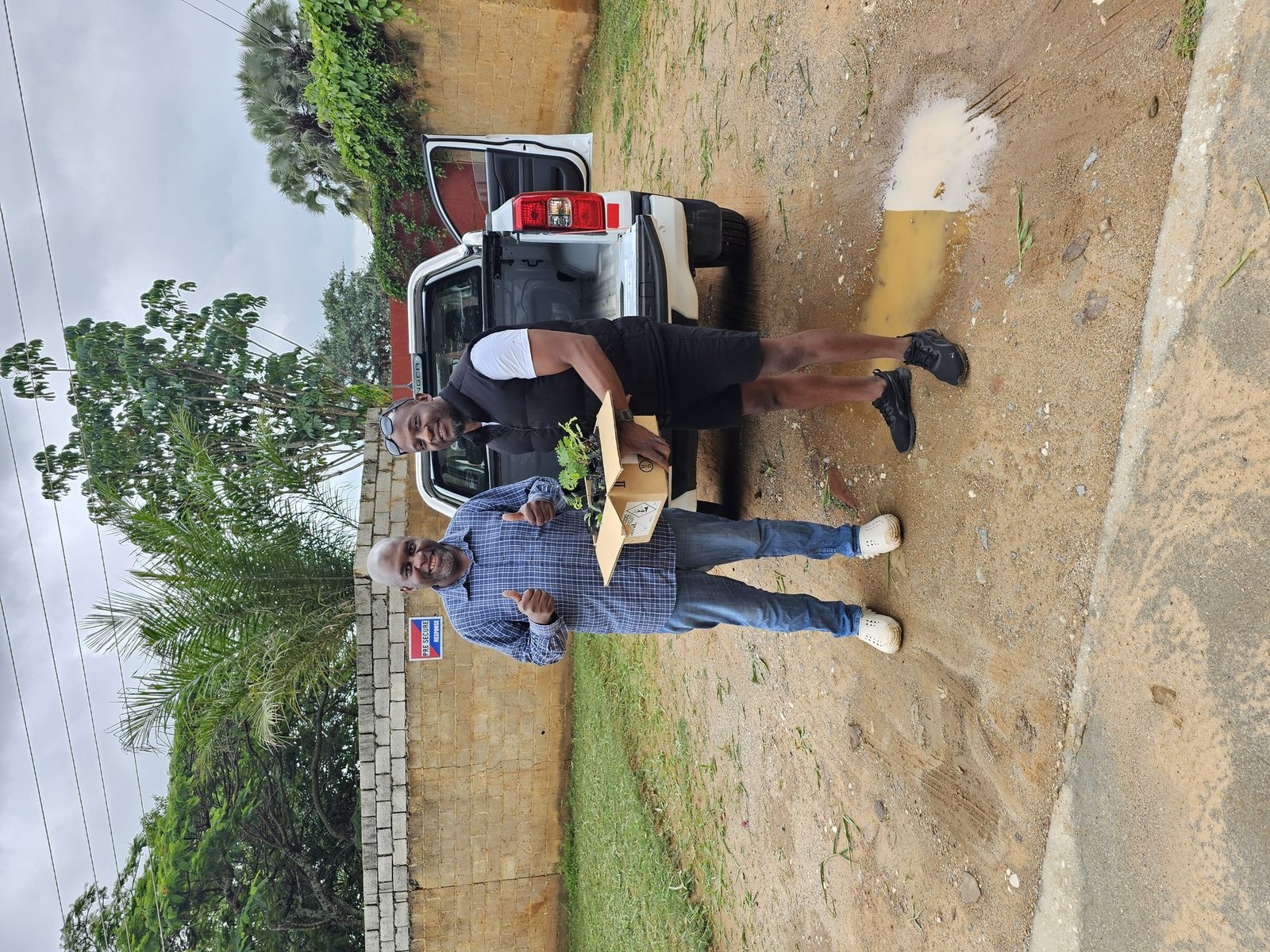
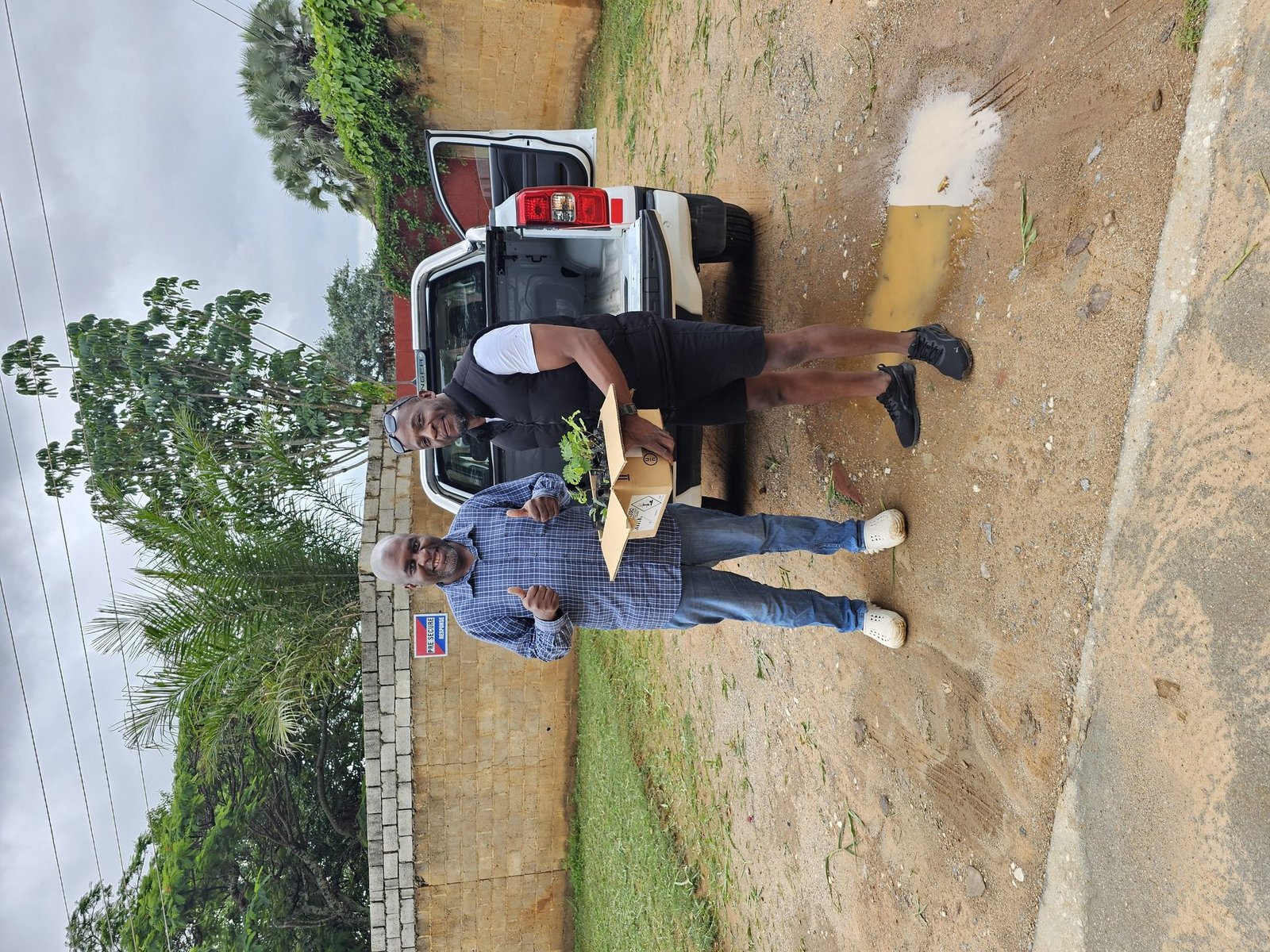
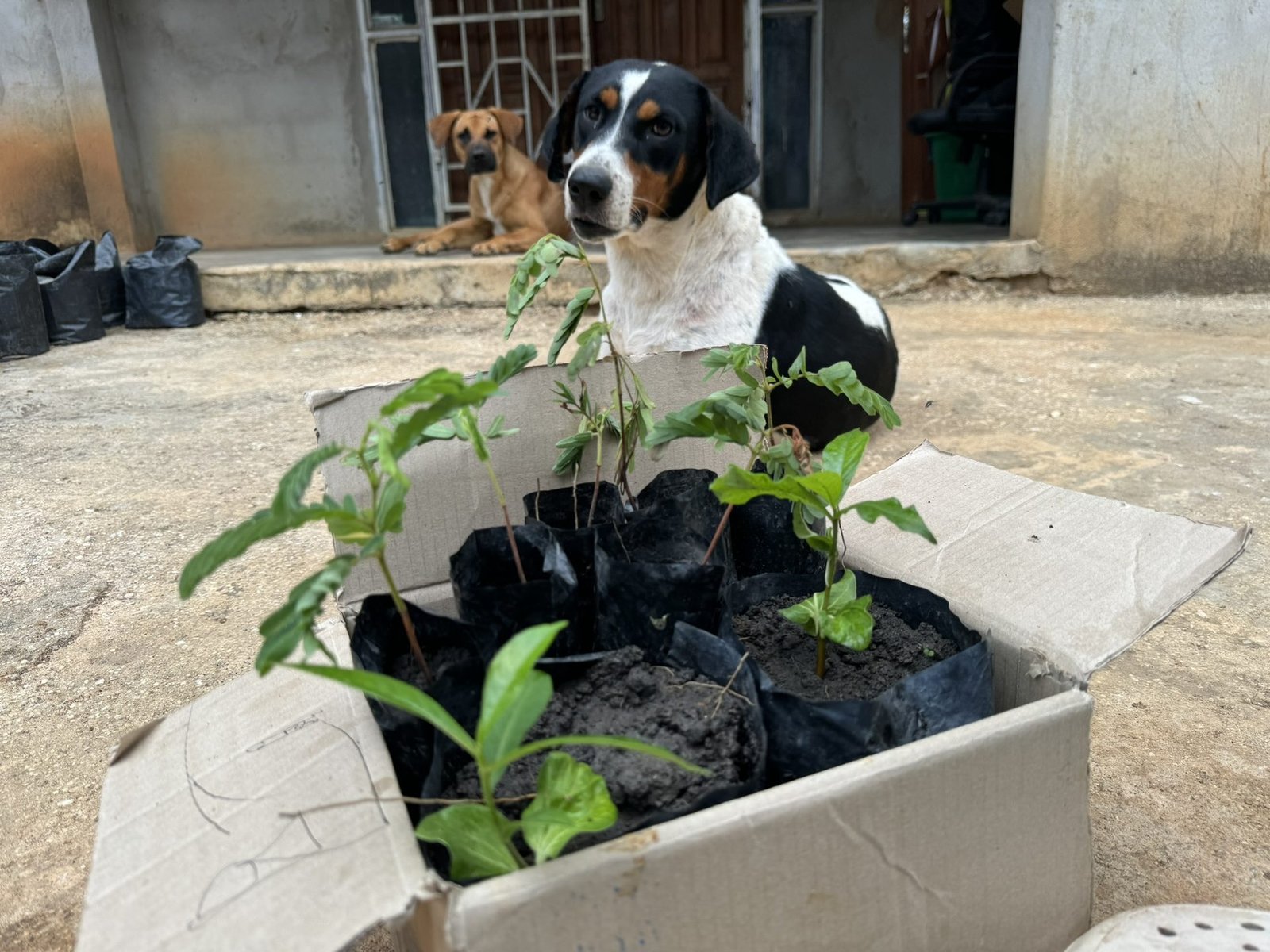
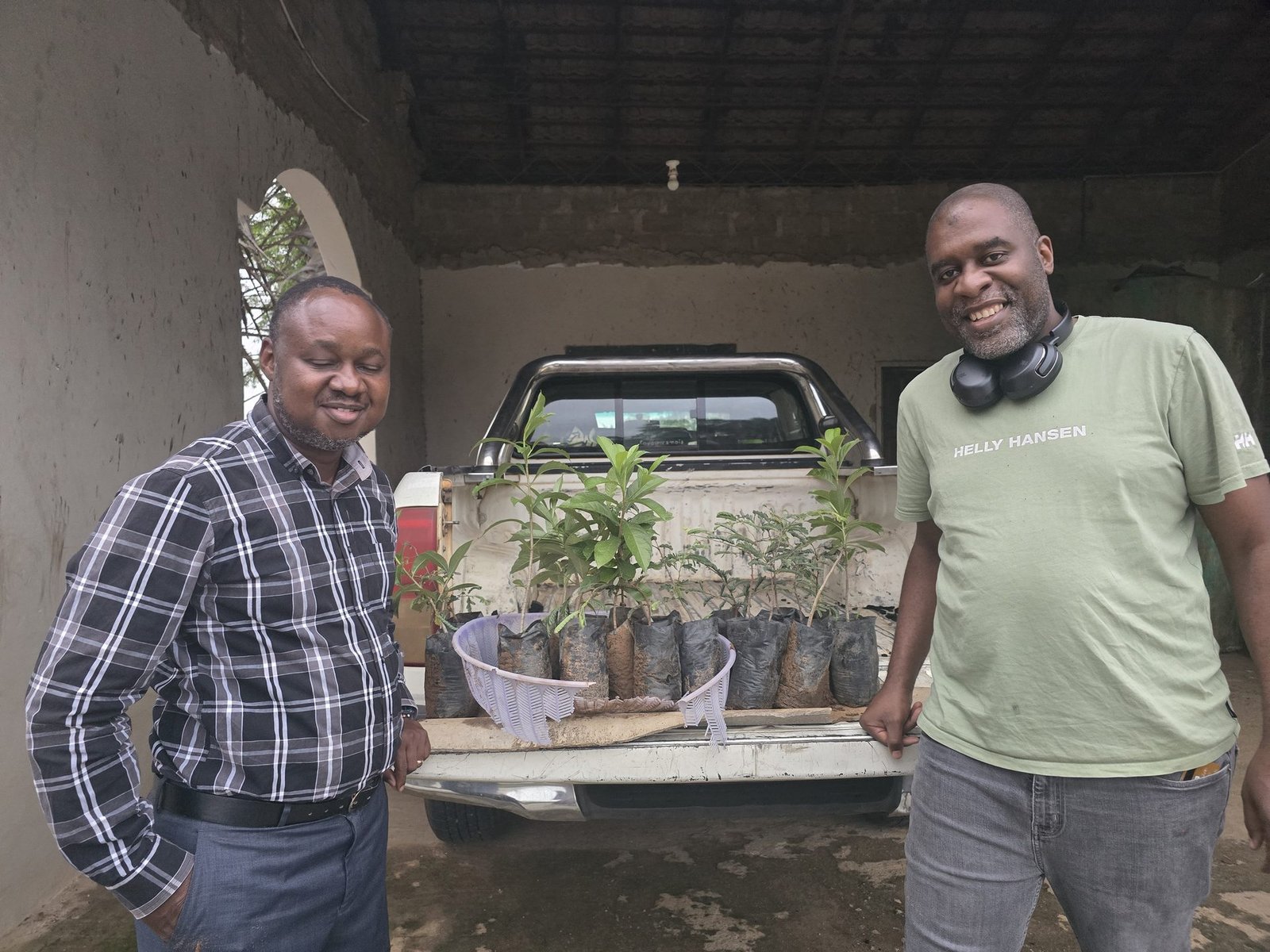
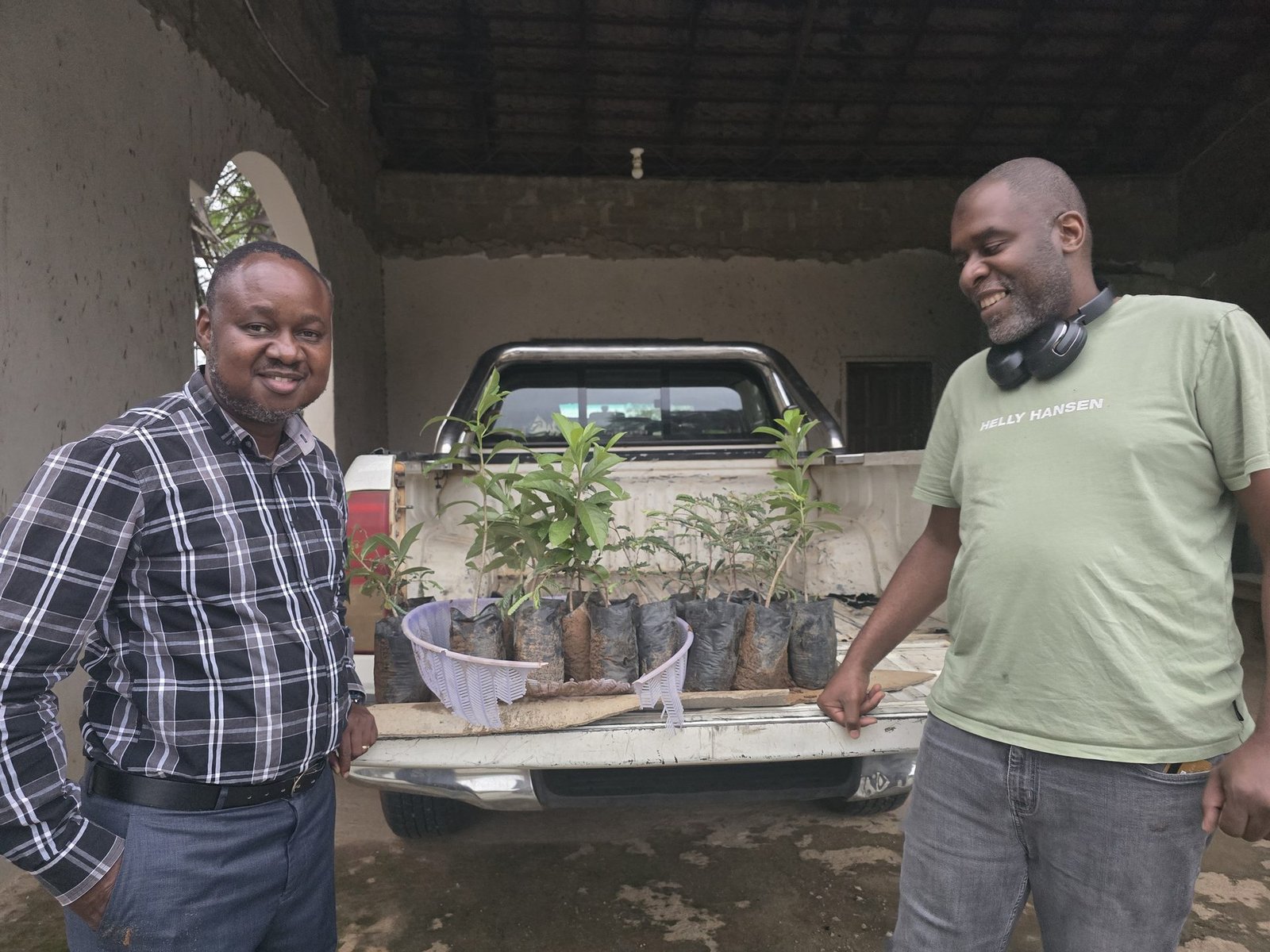
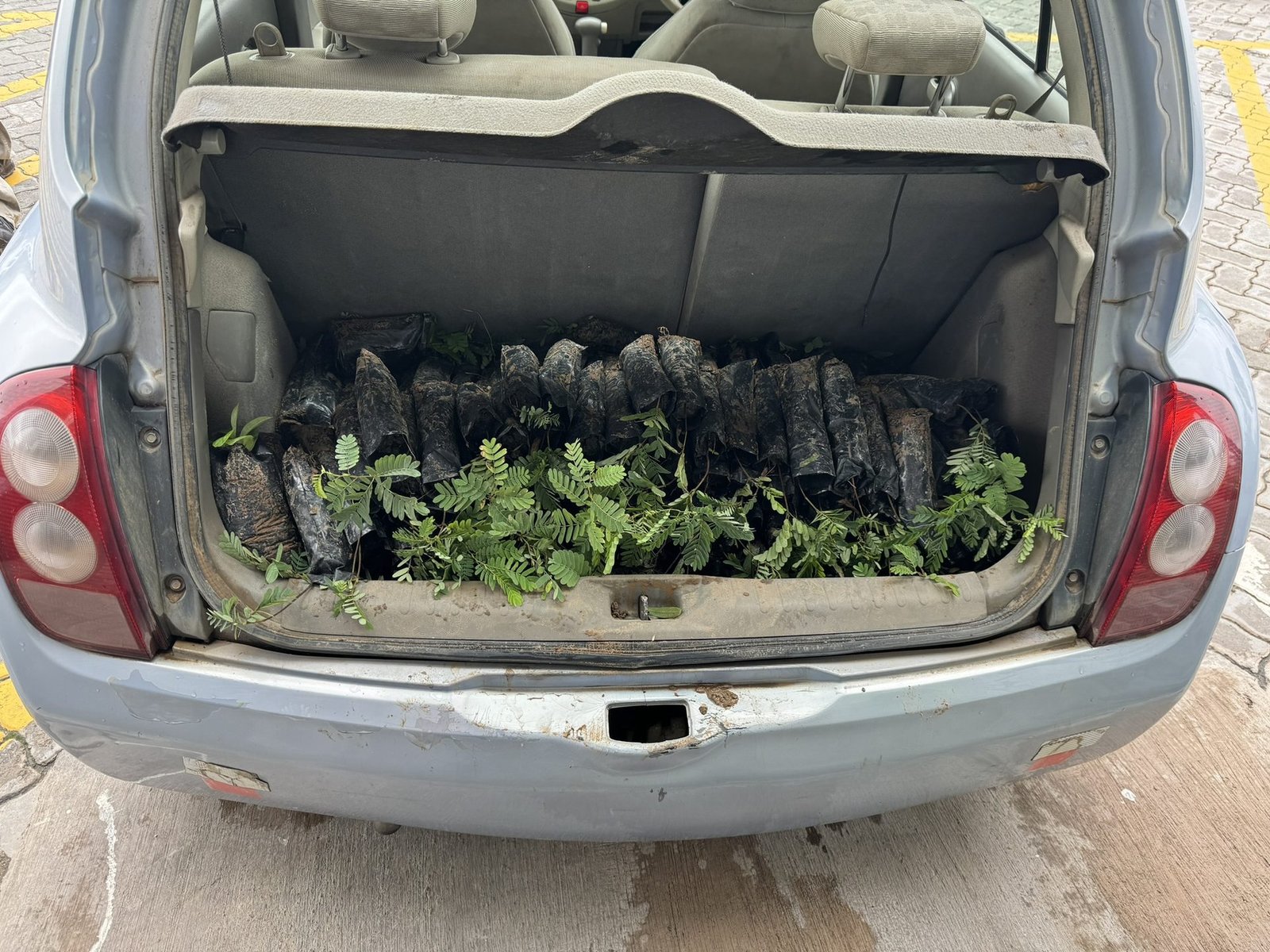
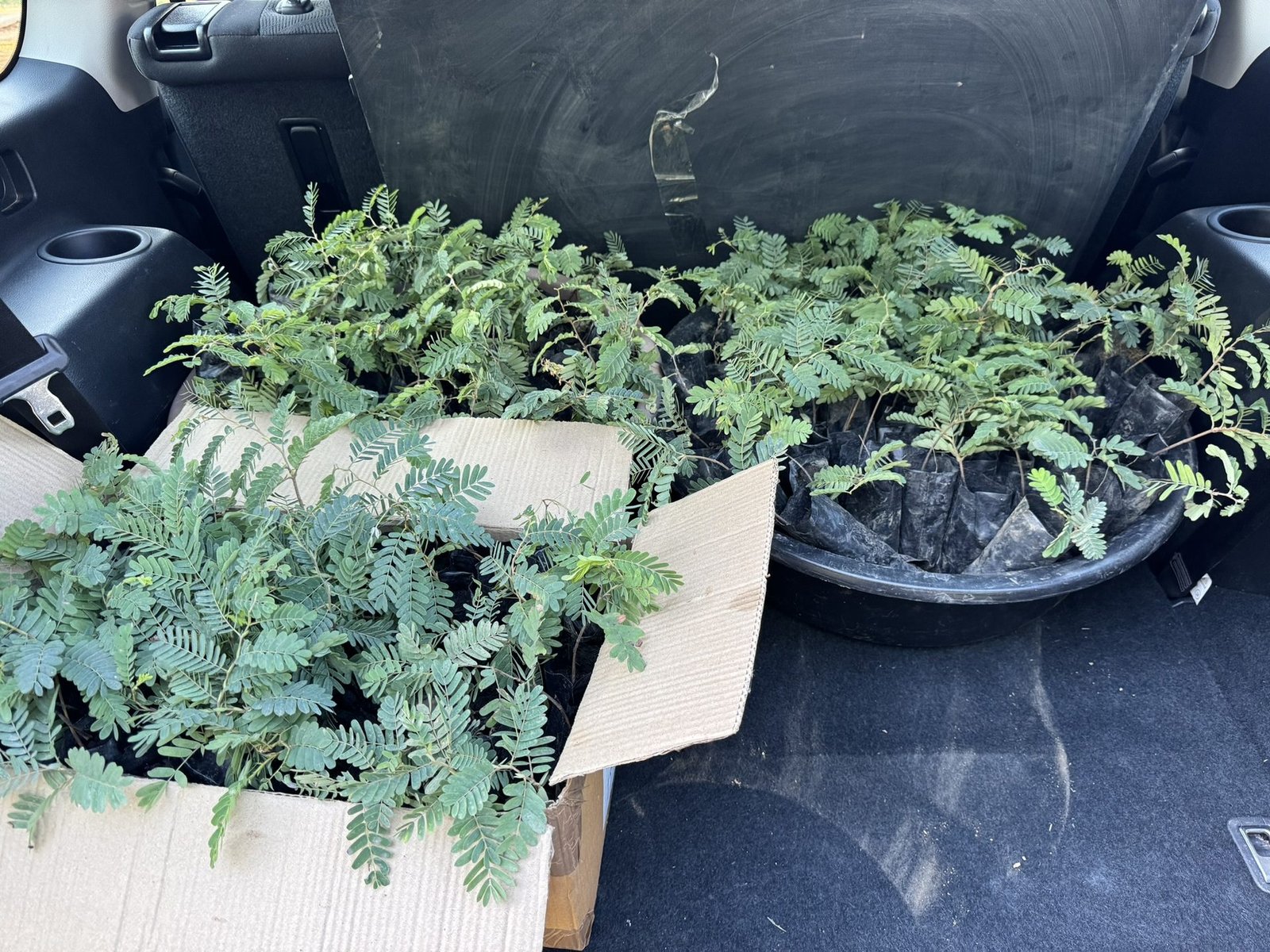
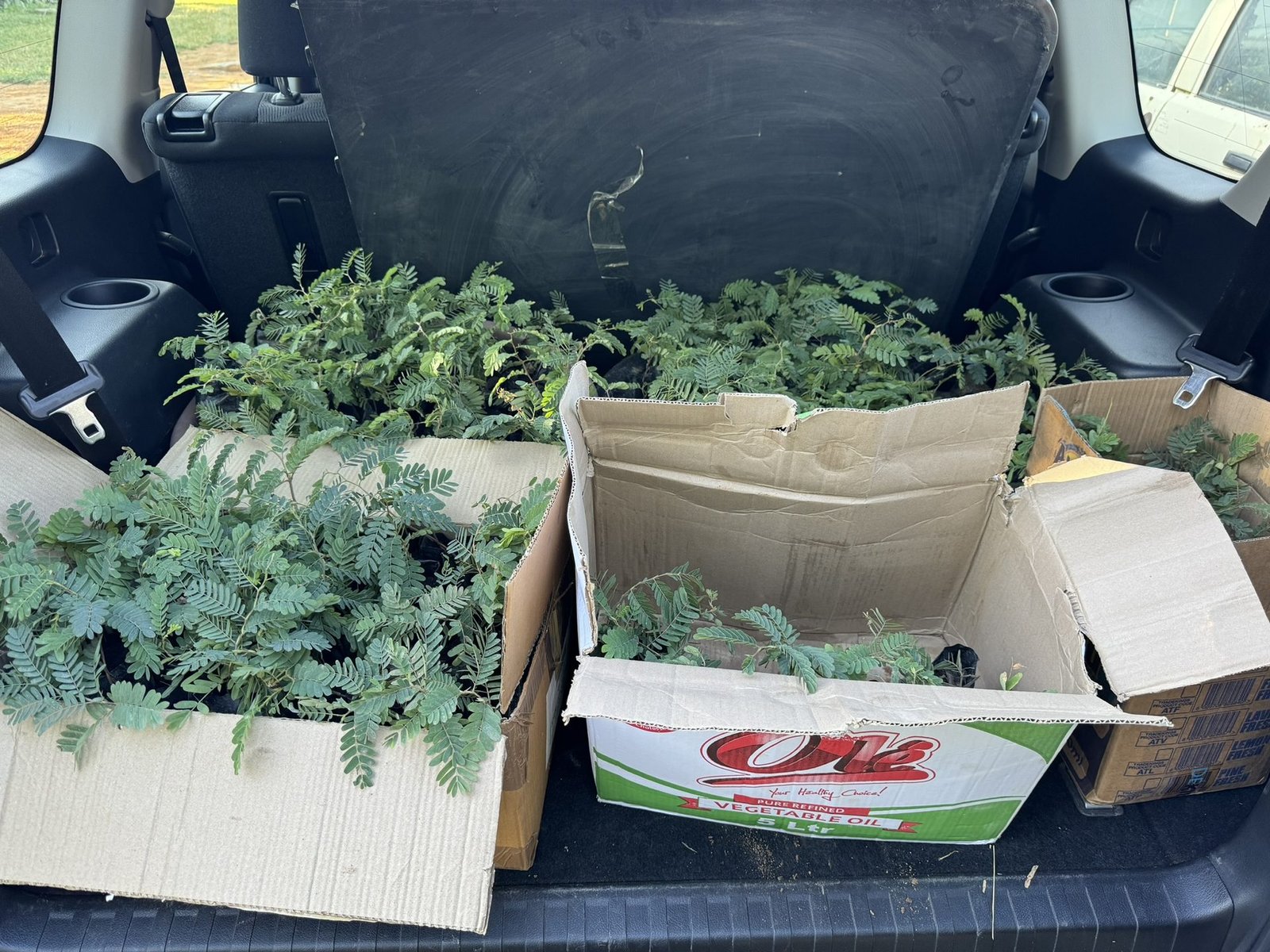
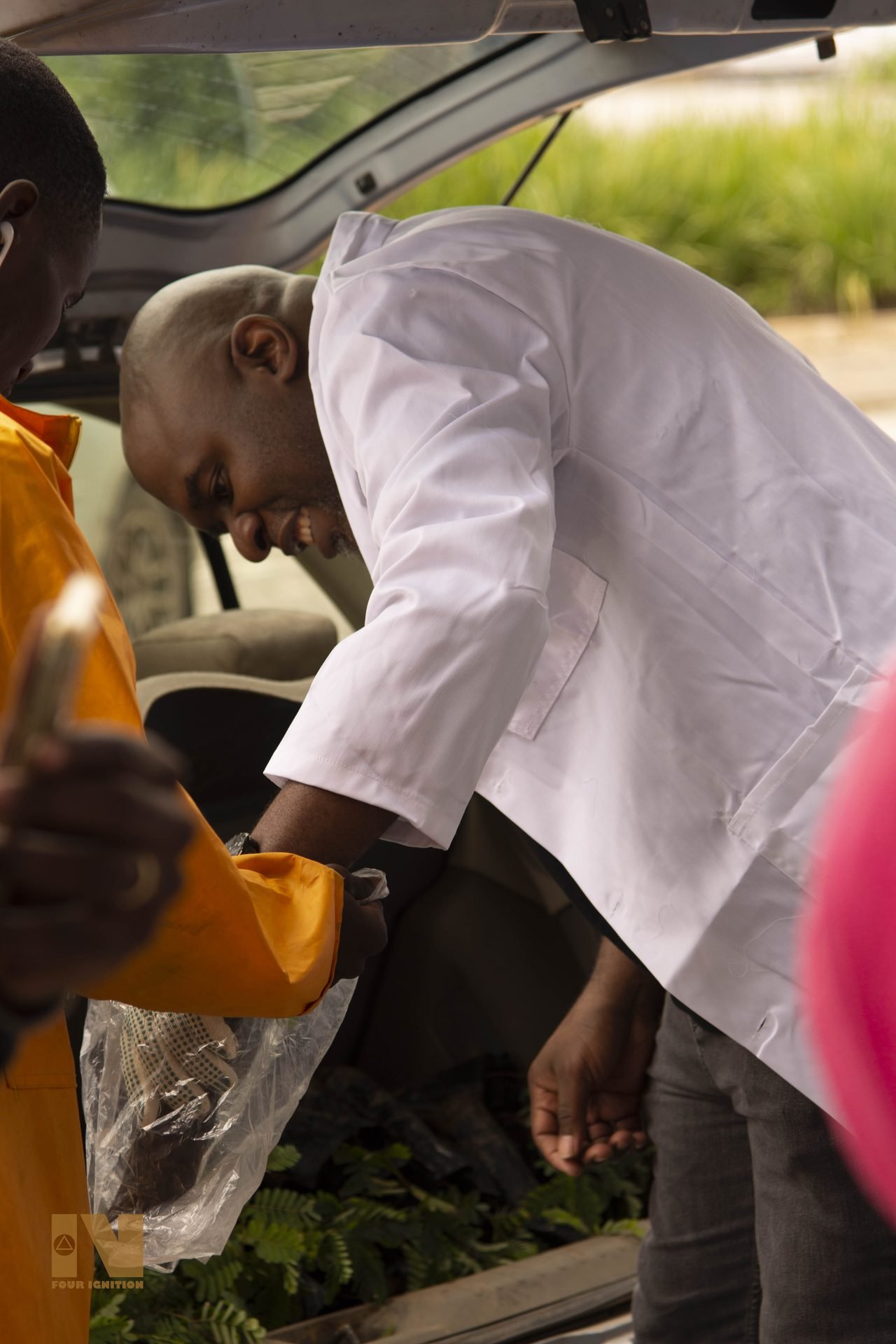
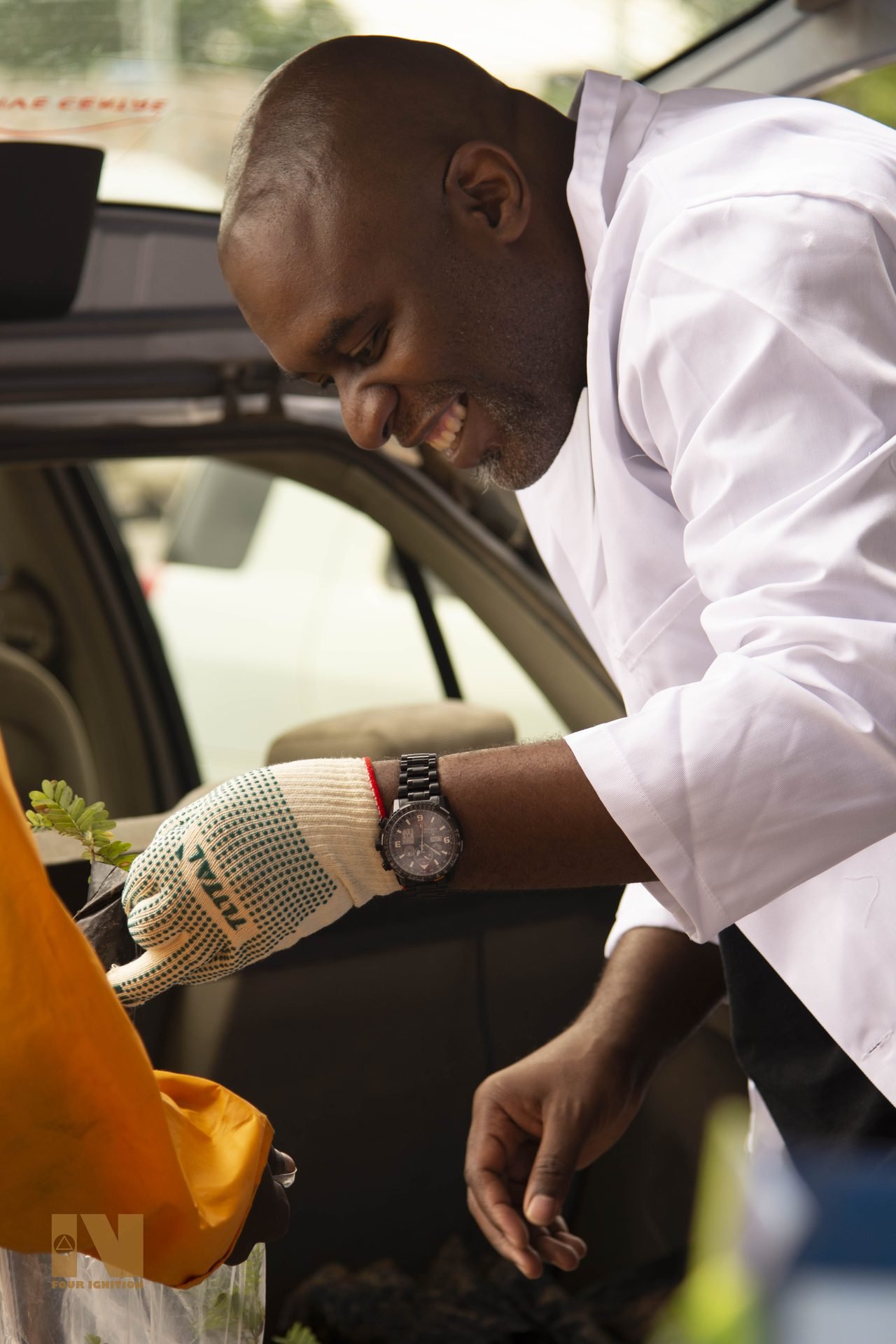
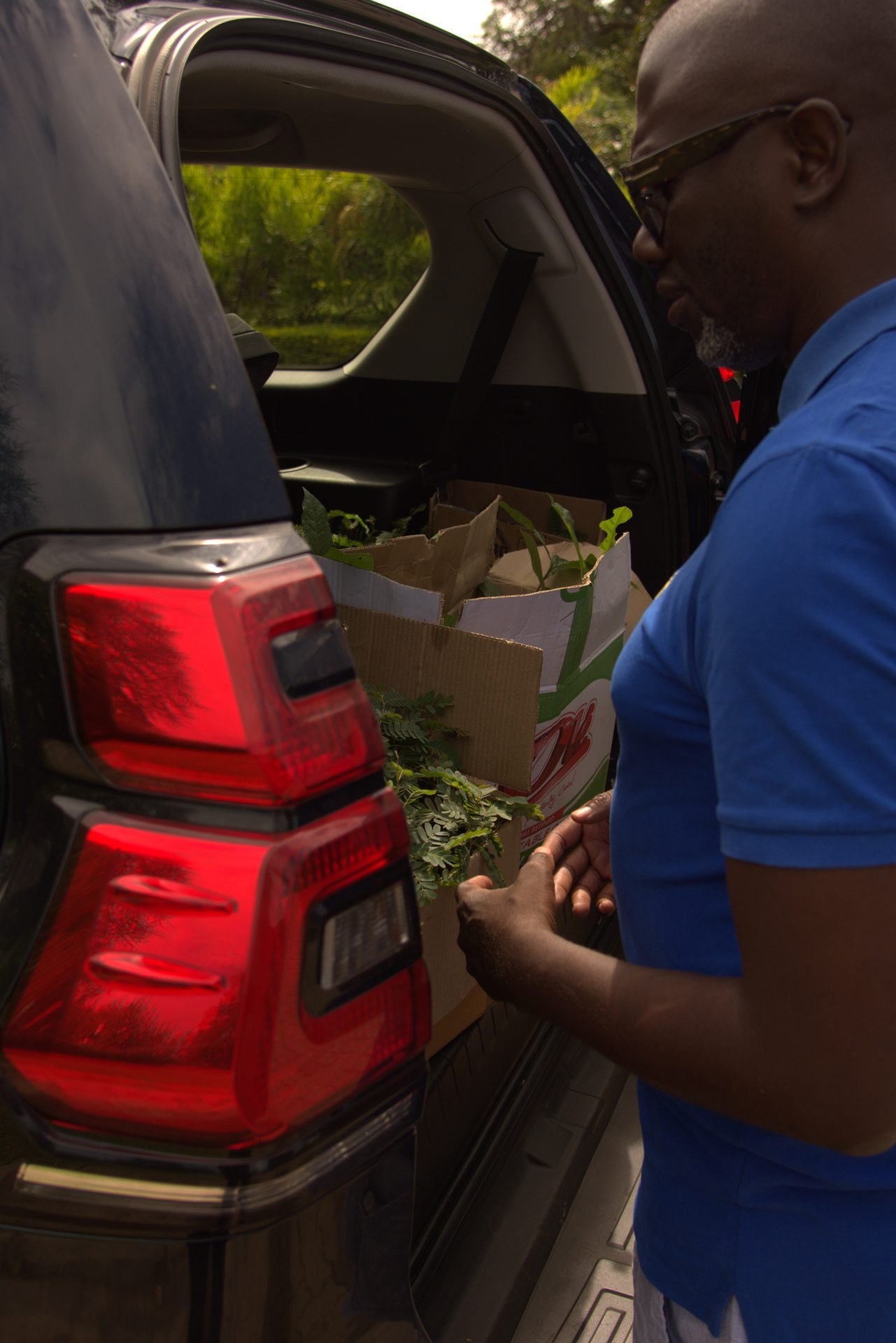
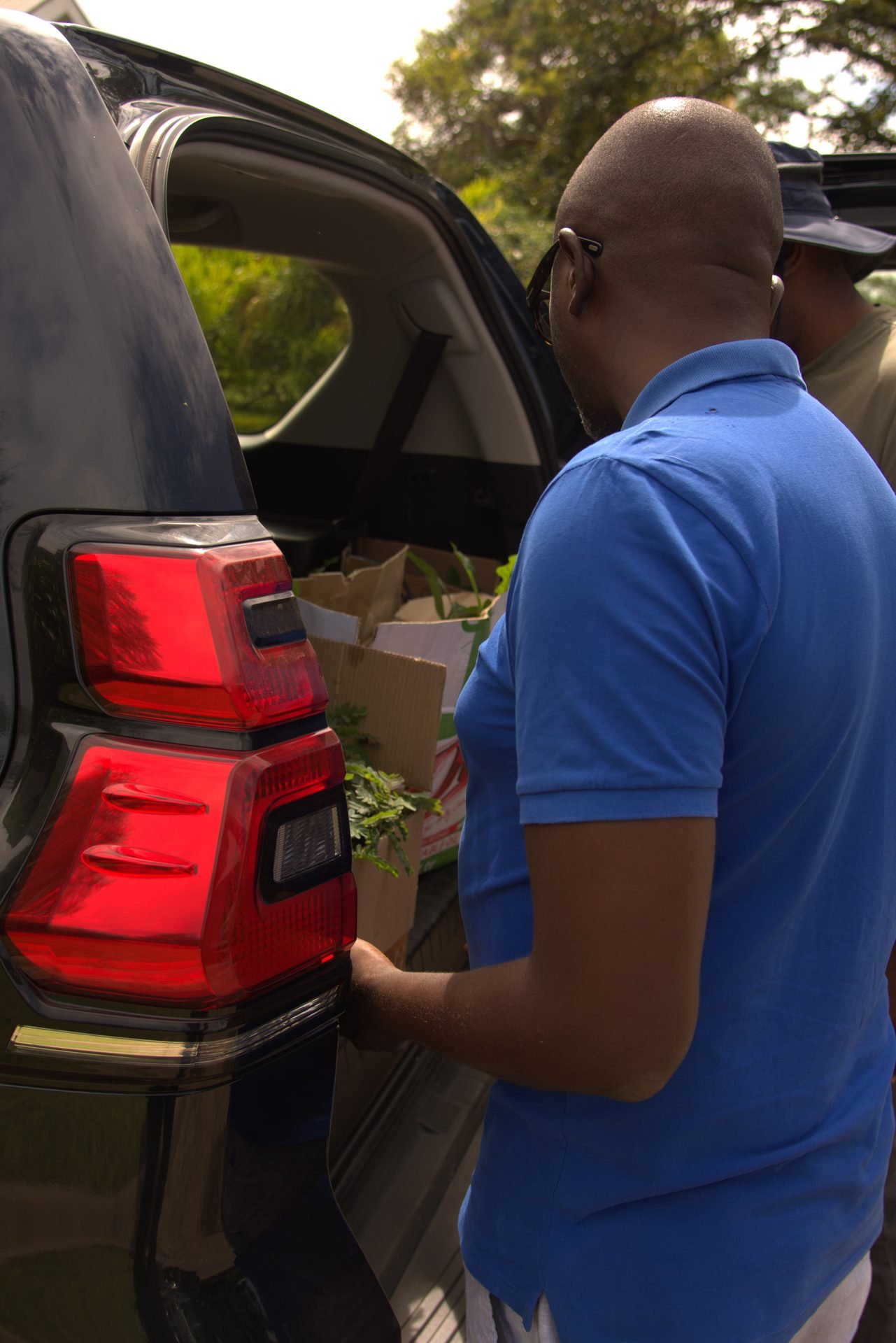
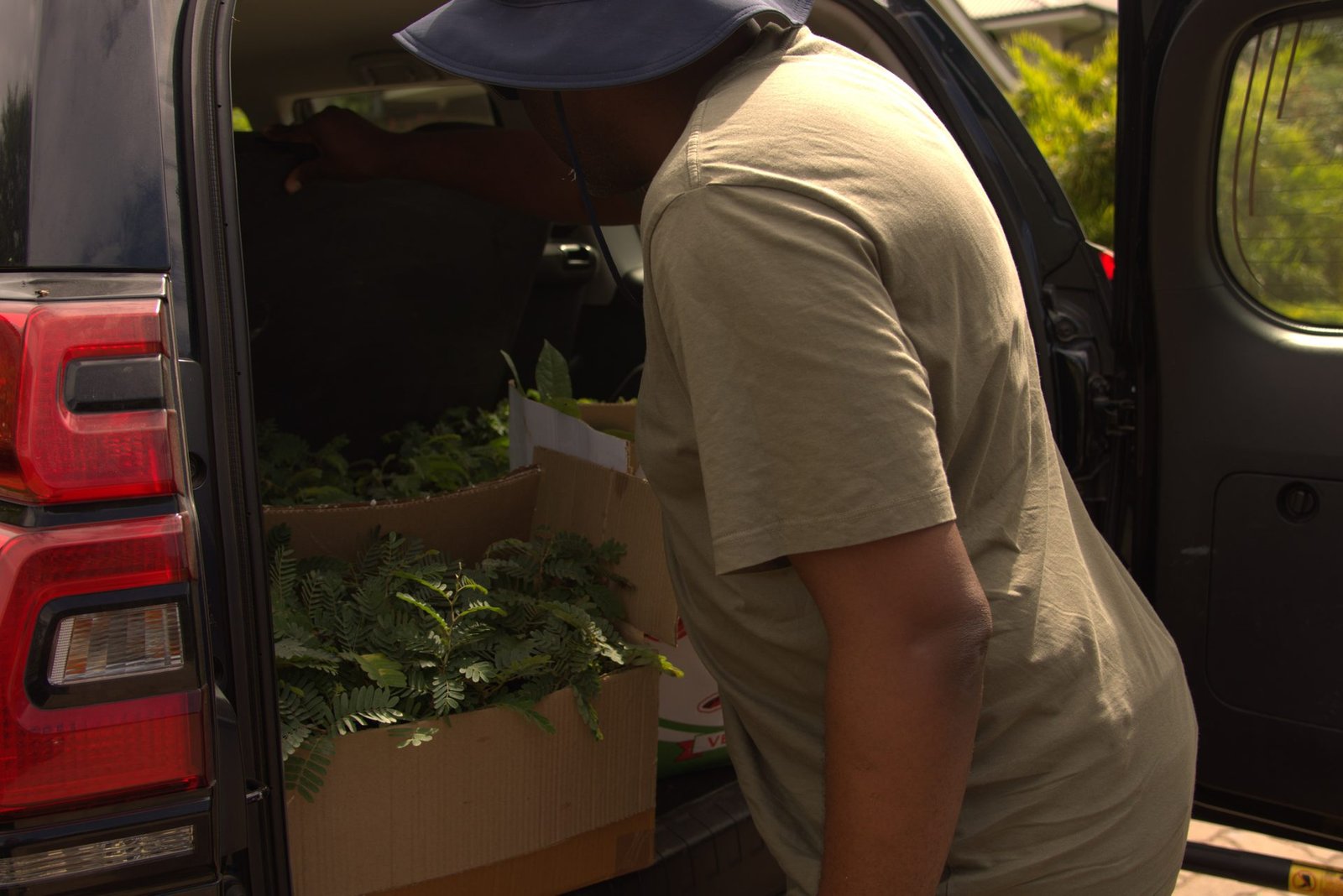
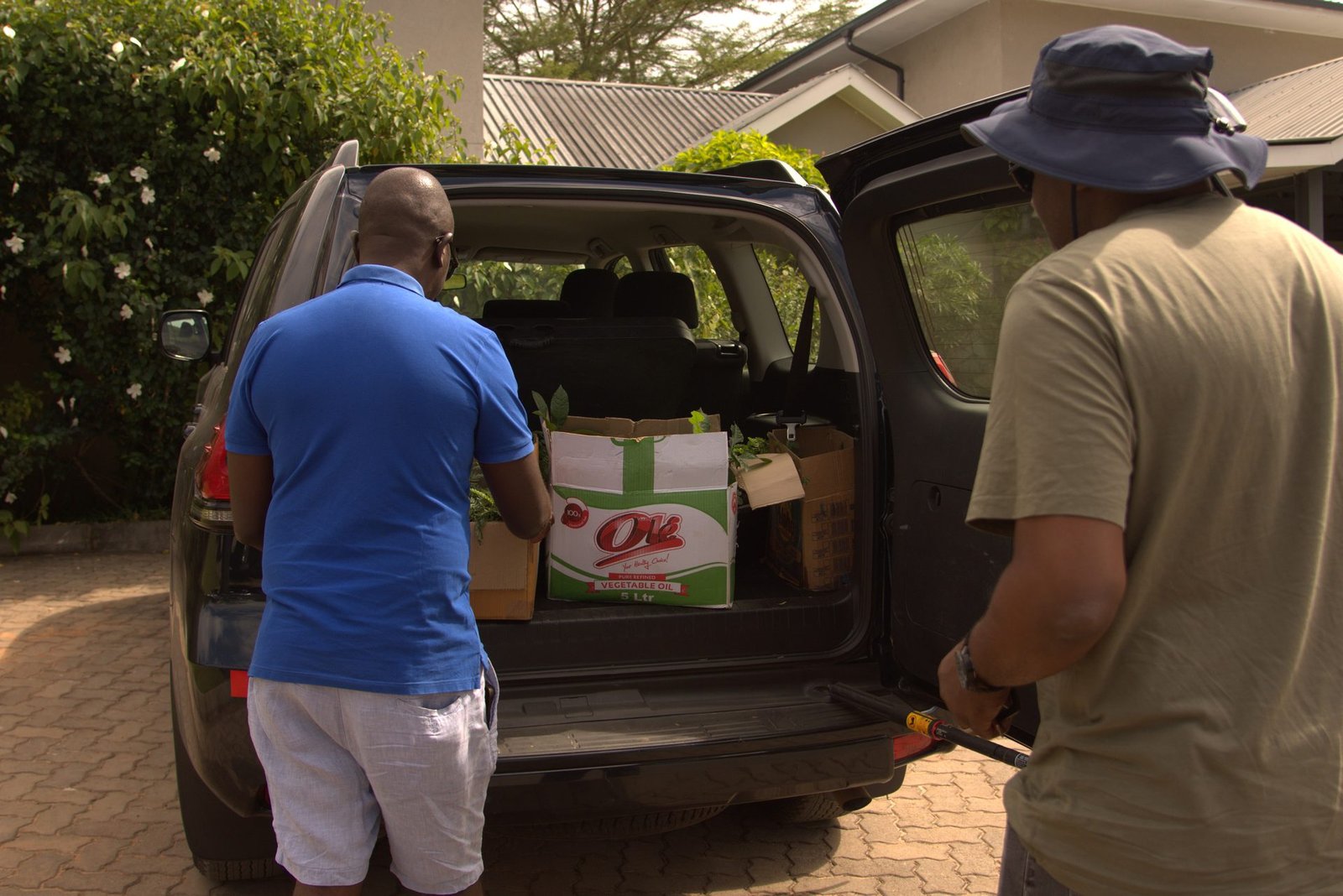
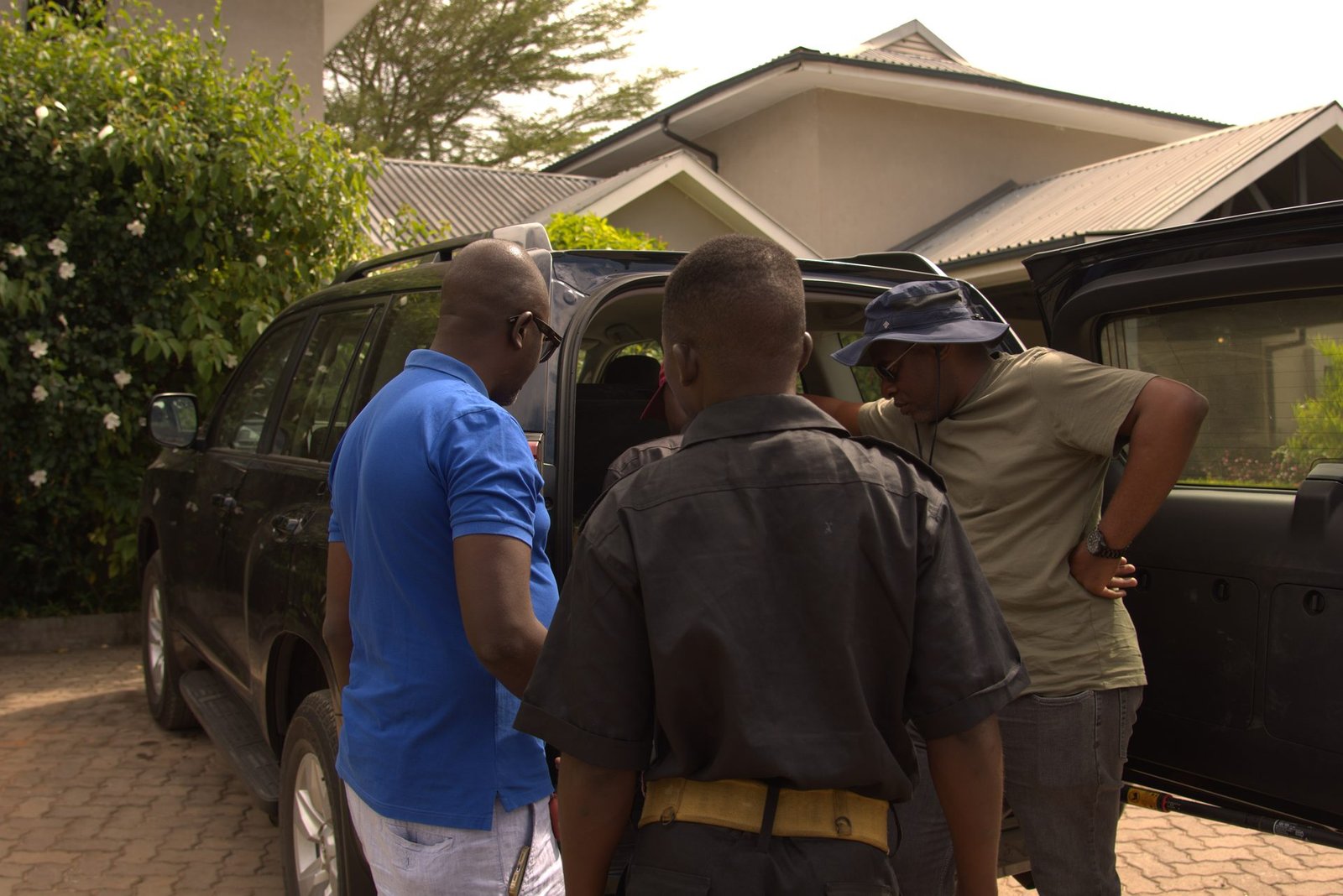
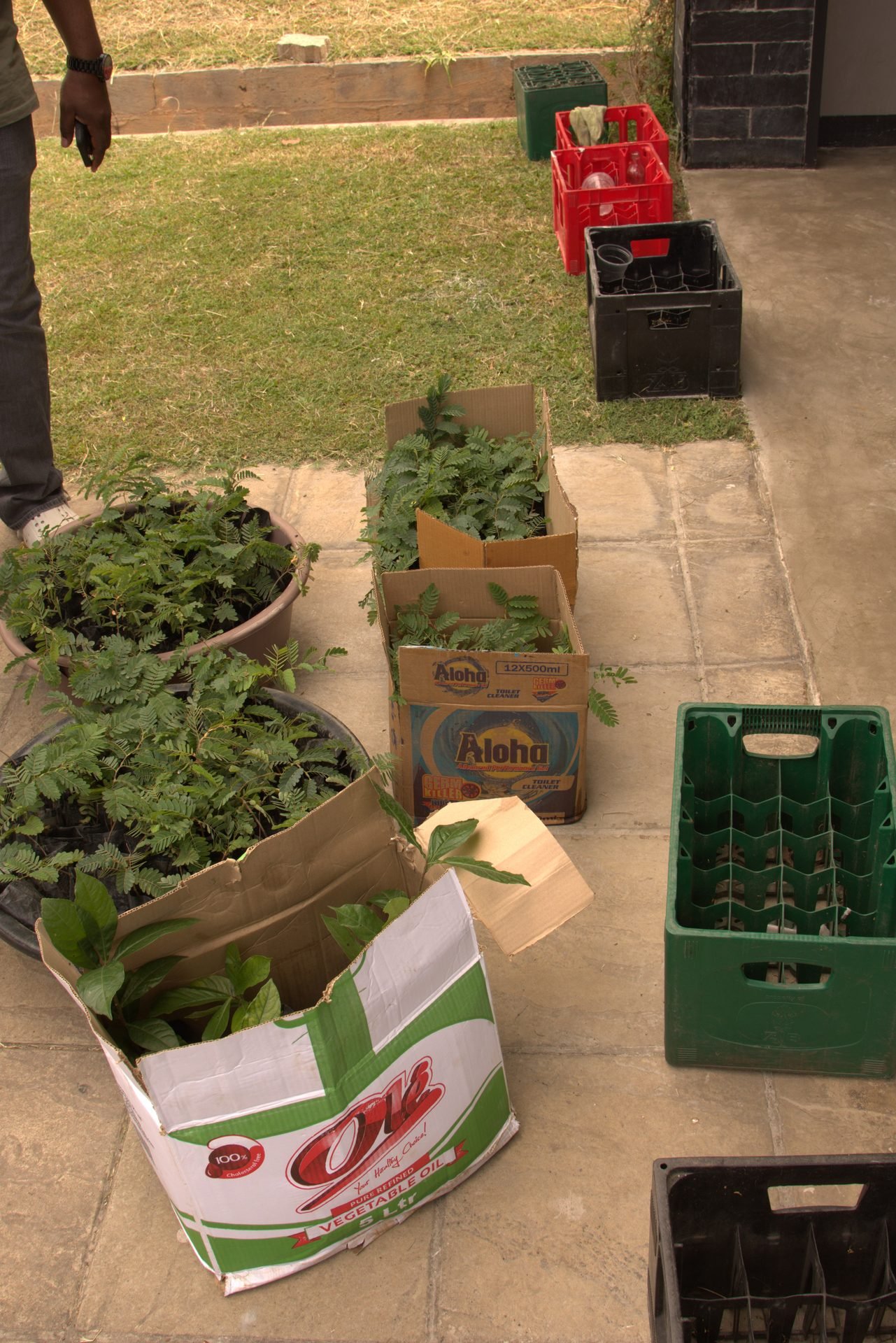
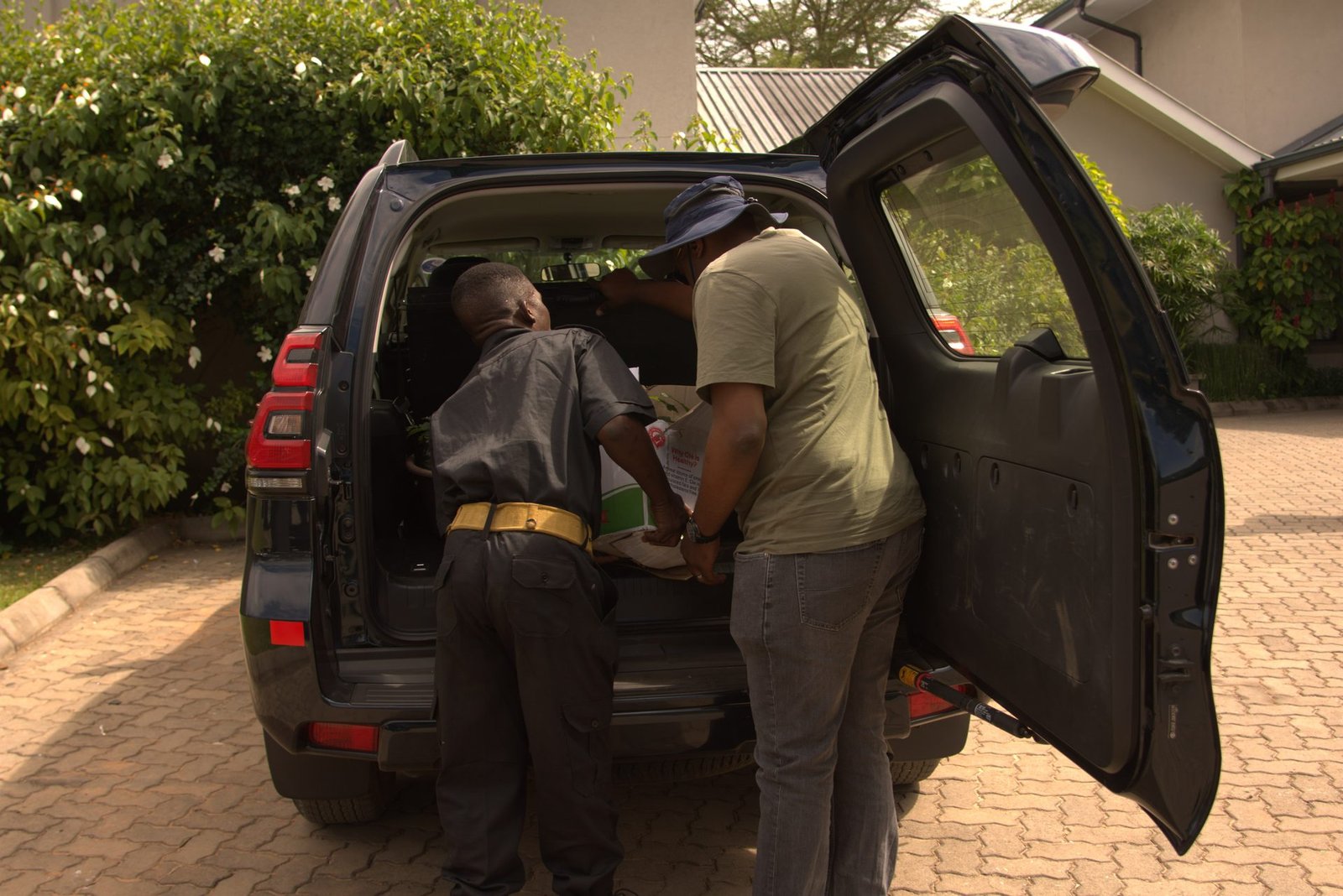
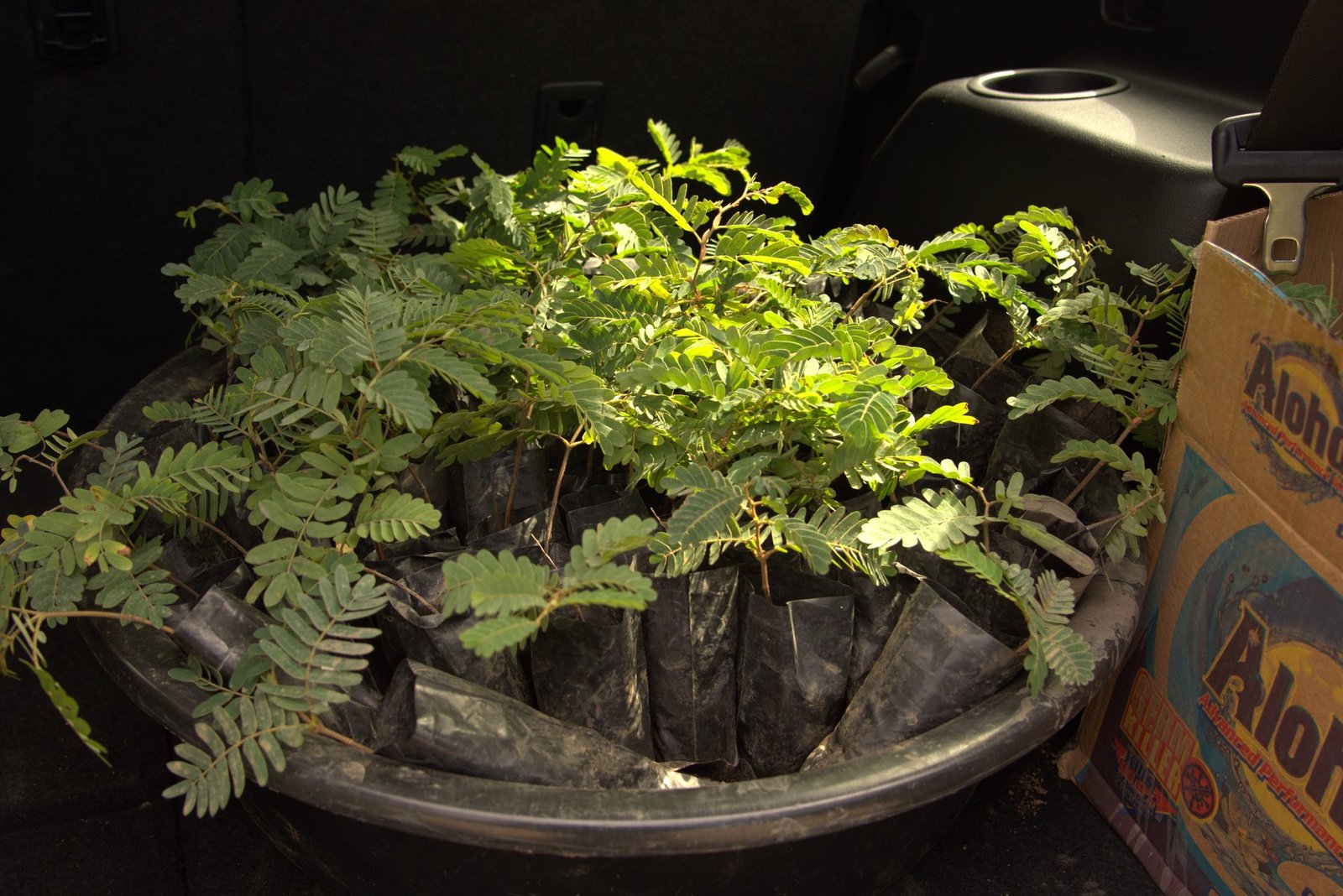
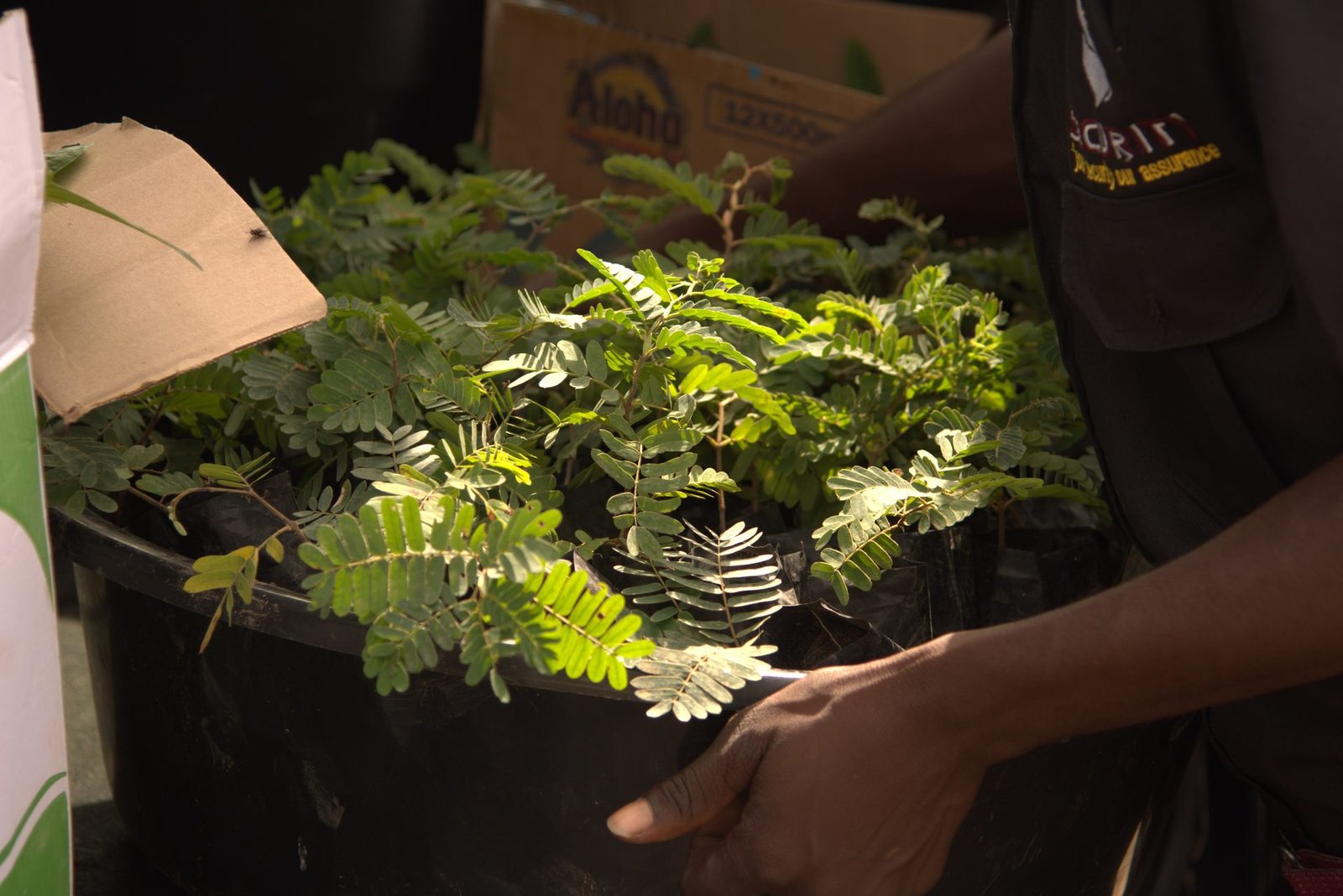
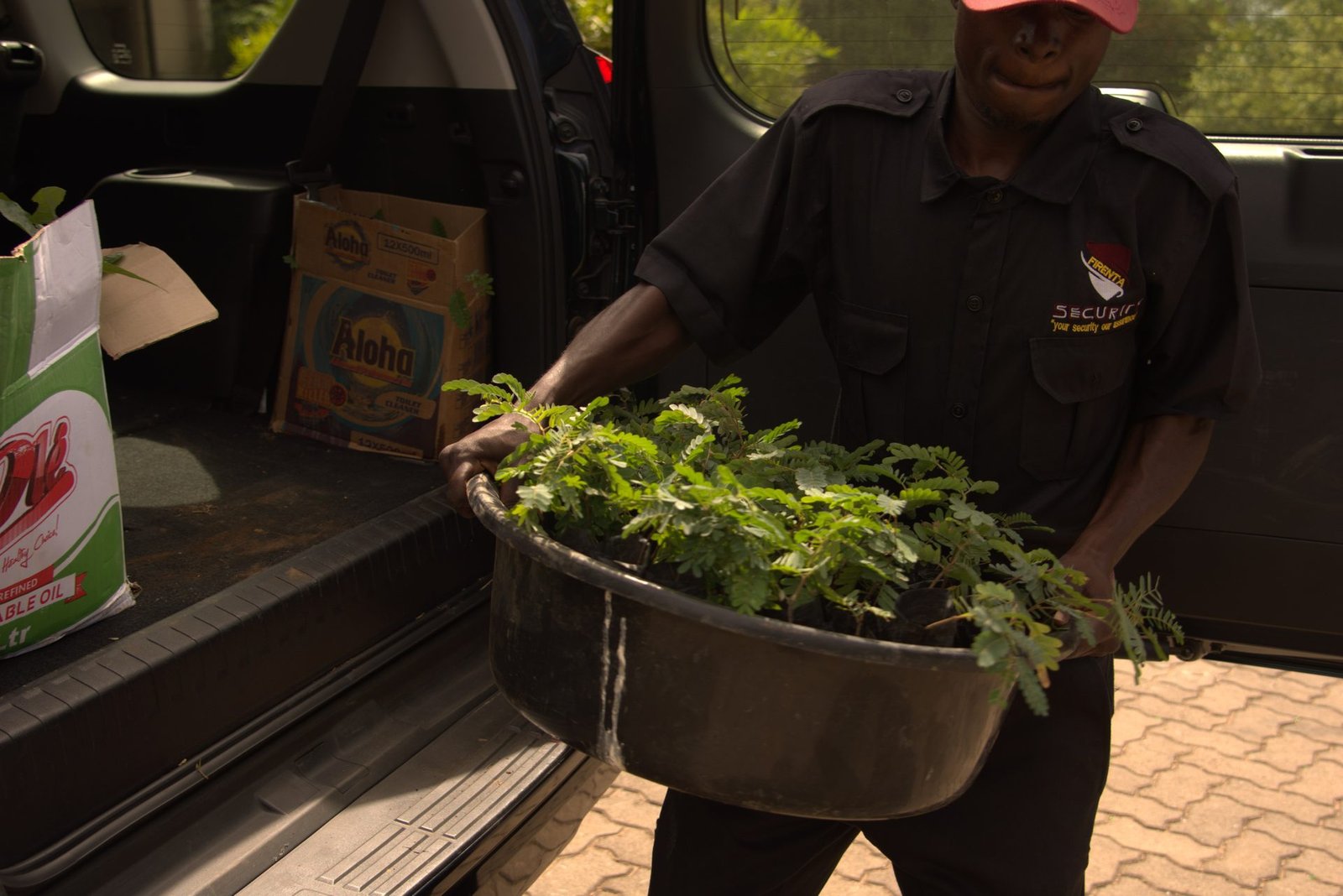
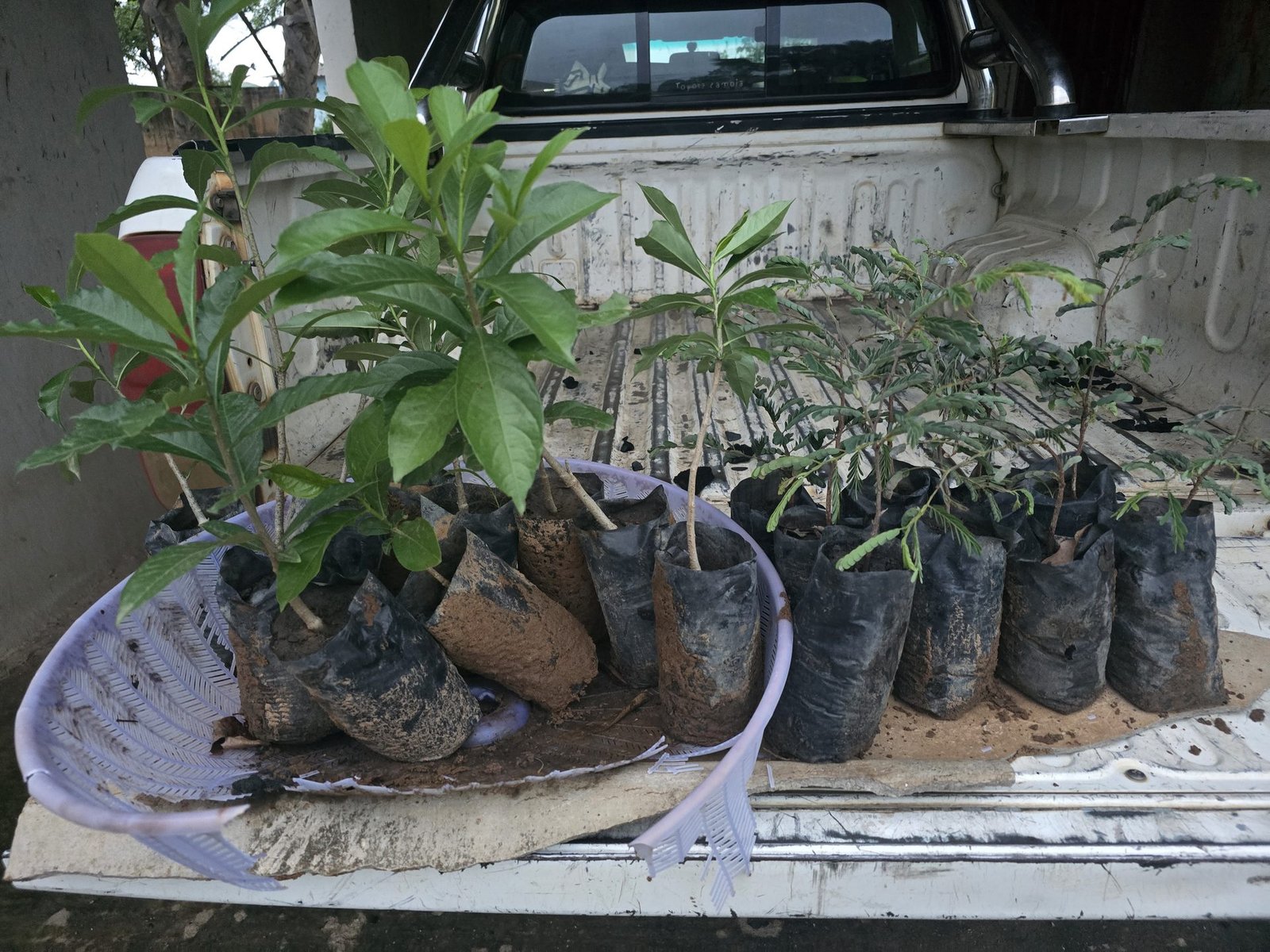
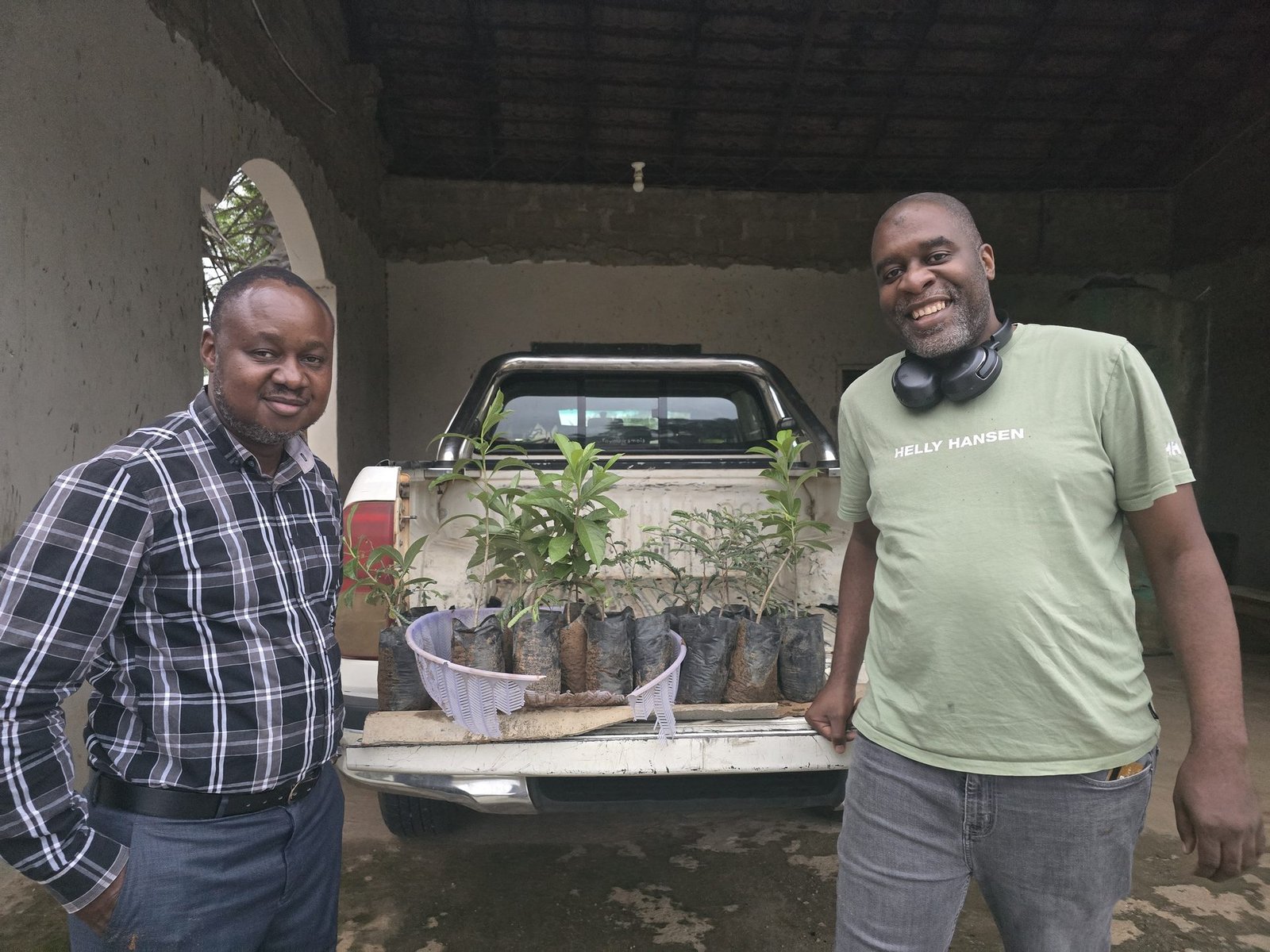
Distribution is hands-on. Our team boxes up seedlings — sometimes hundreds at a time — into cardboard boxes, wooden crates, and basins, then loads them into cars and pickup trucks for the journey to giveaway locations.
These two photos show team members with a pickup load ready to go. This is the moment just before the trees reach people — the last step before a seedling becomes someone's tree.
Step 6
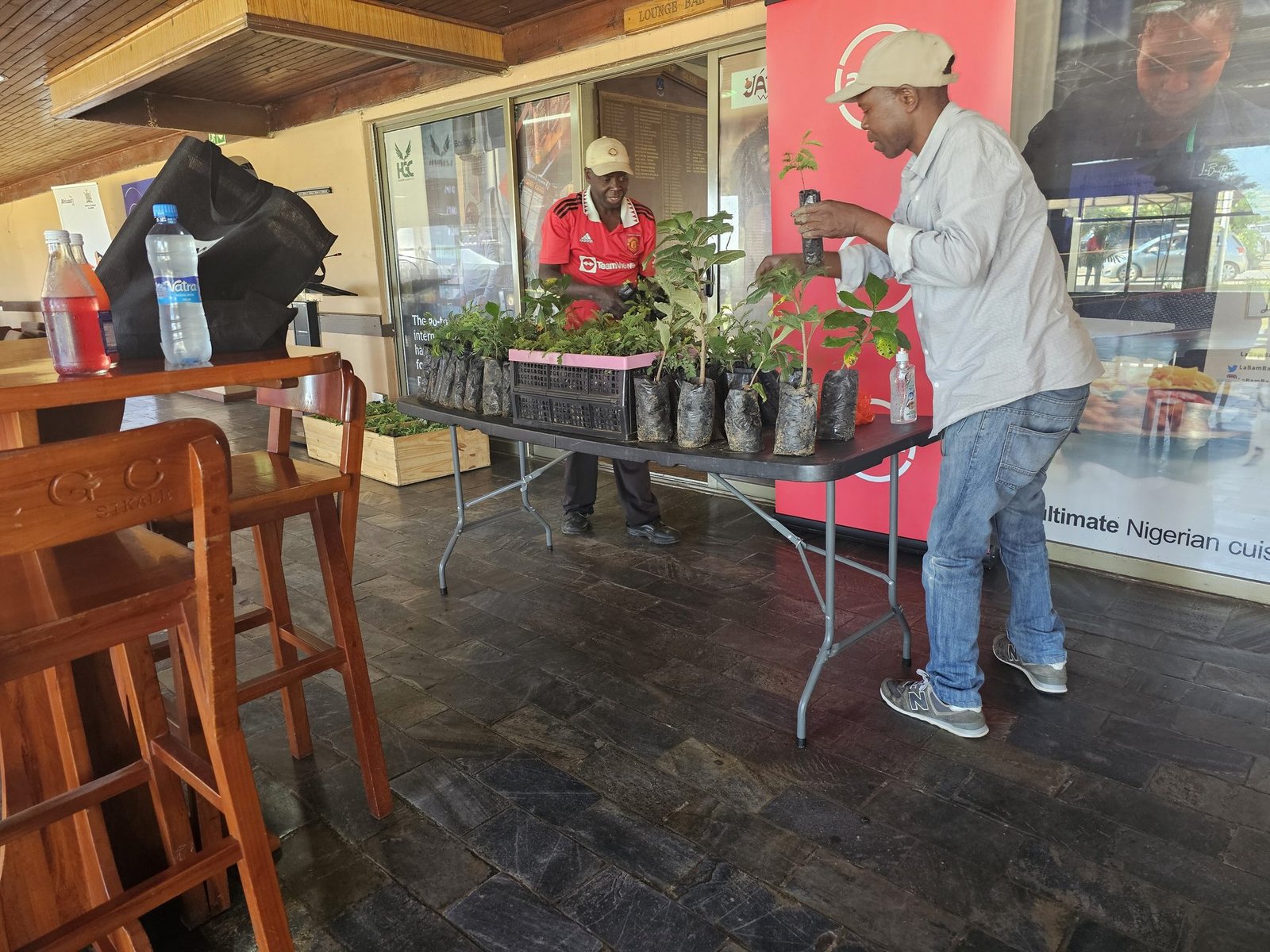
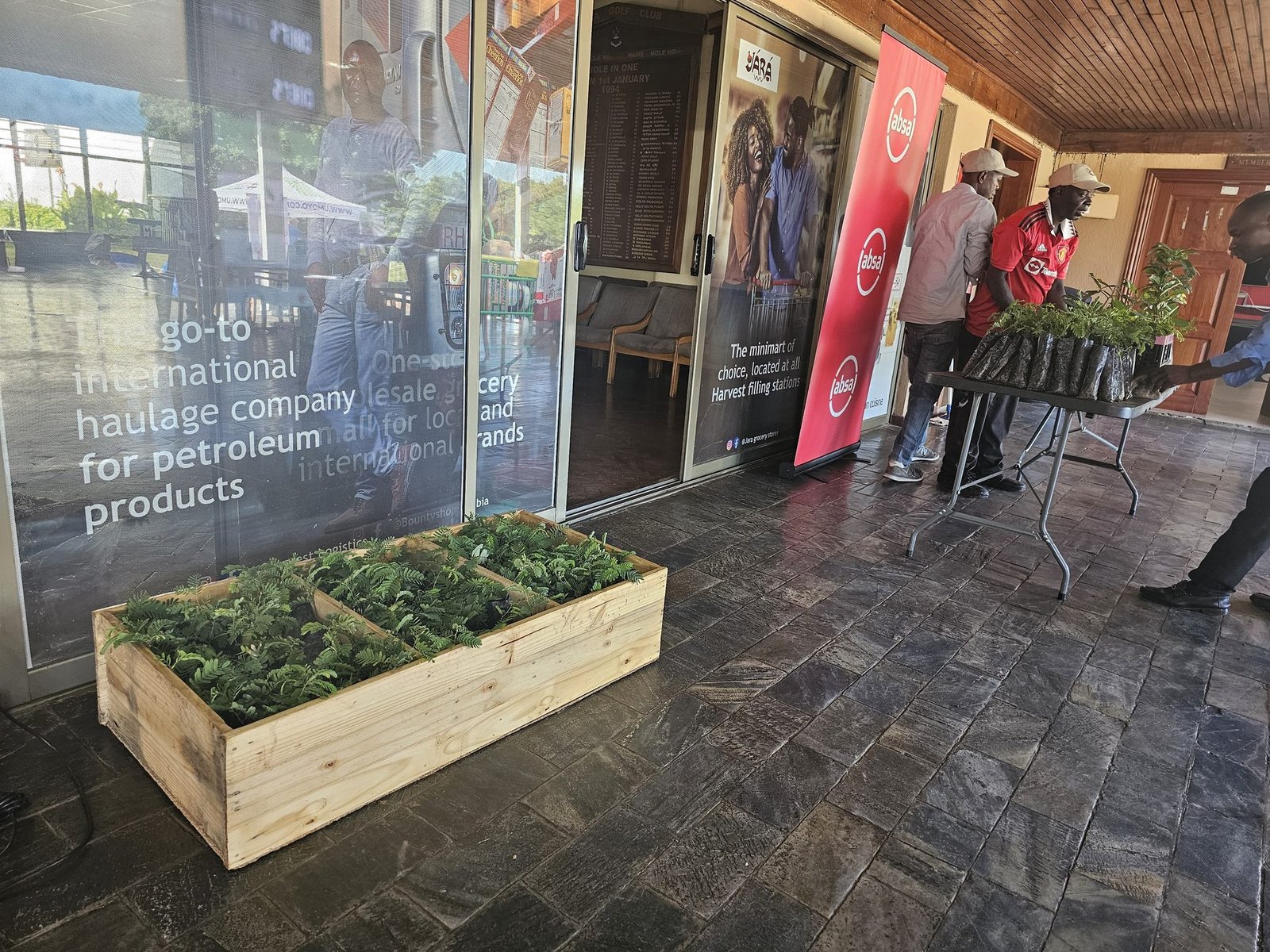
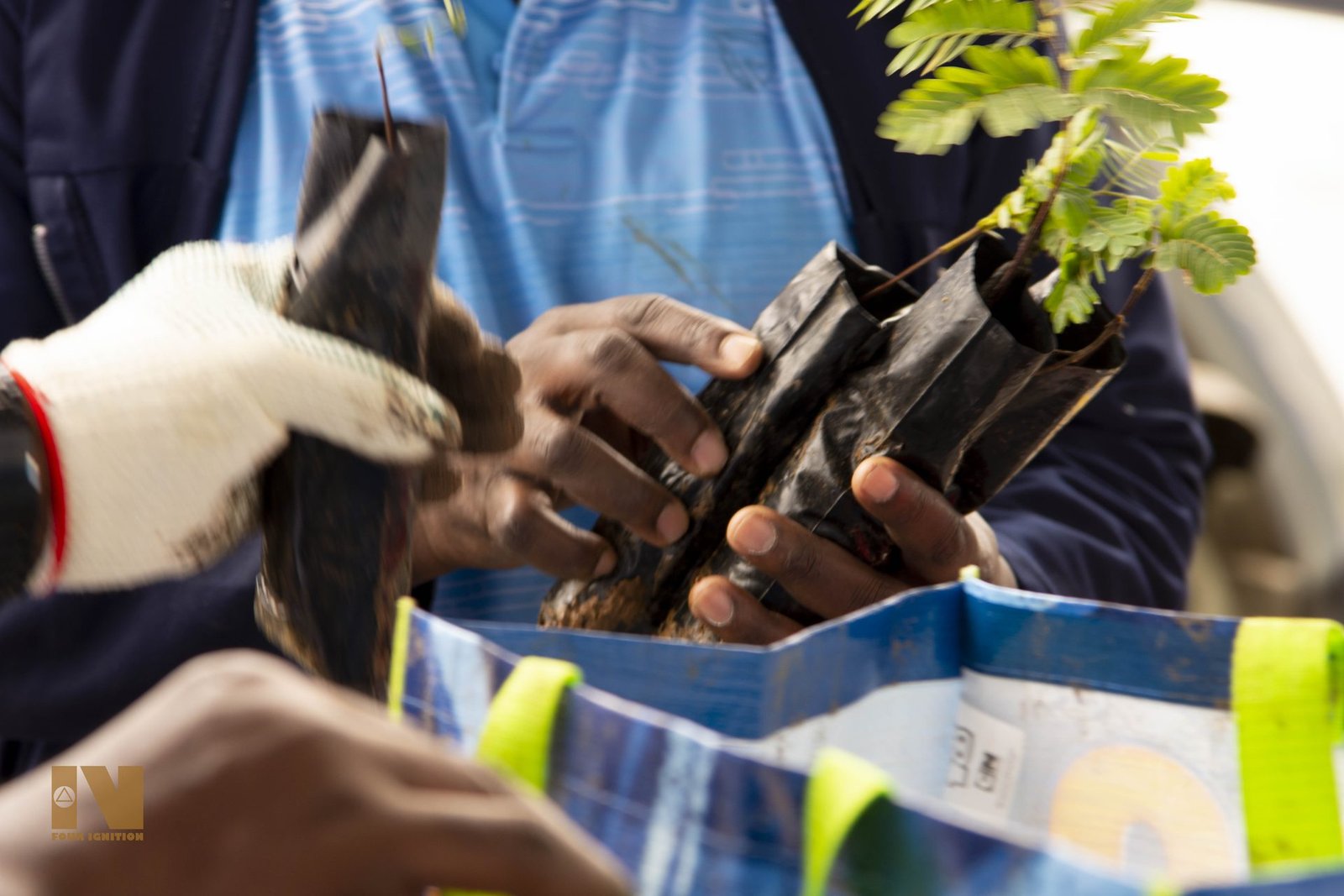
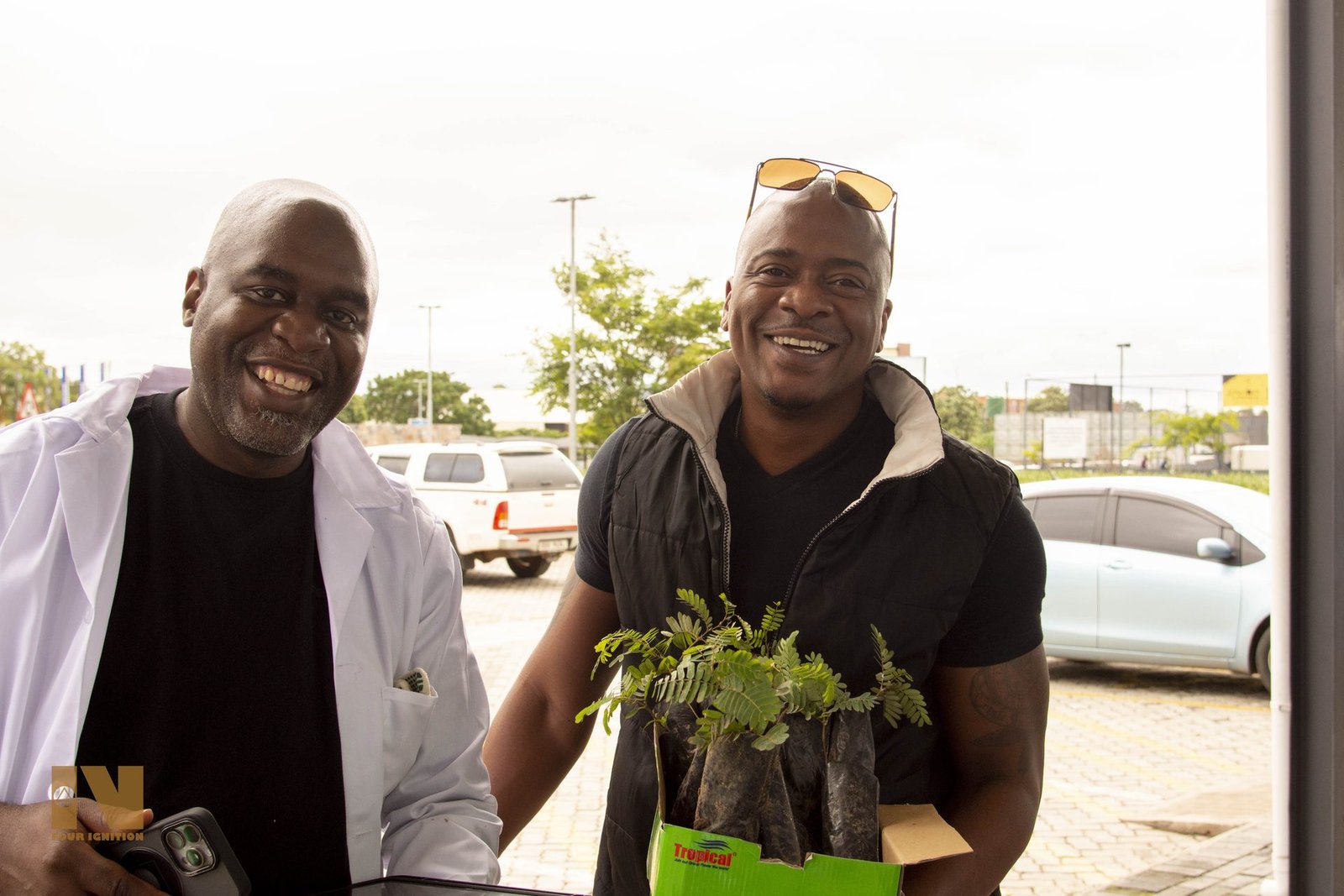
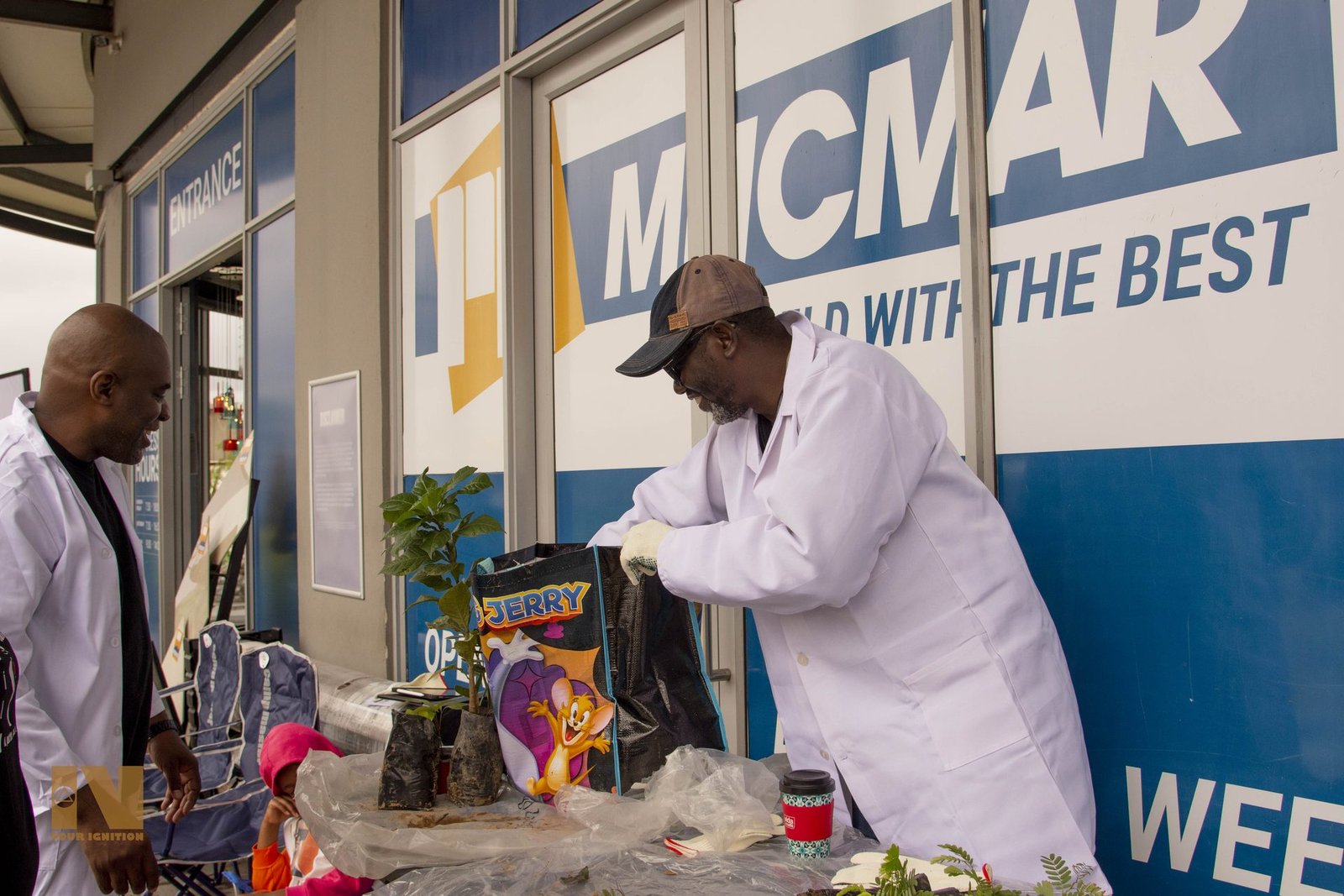
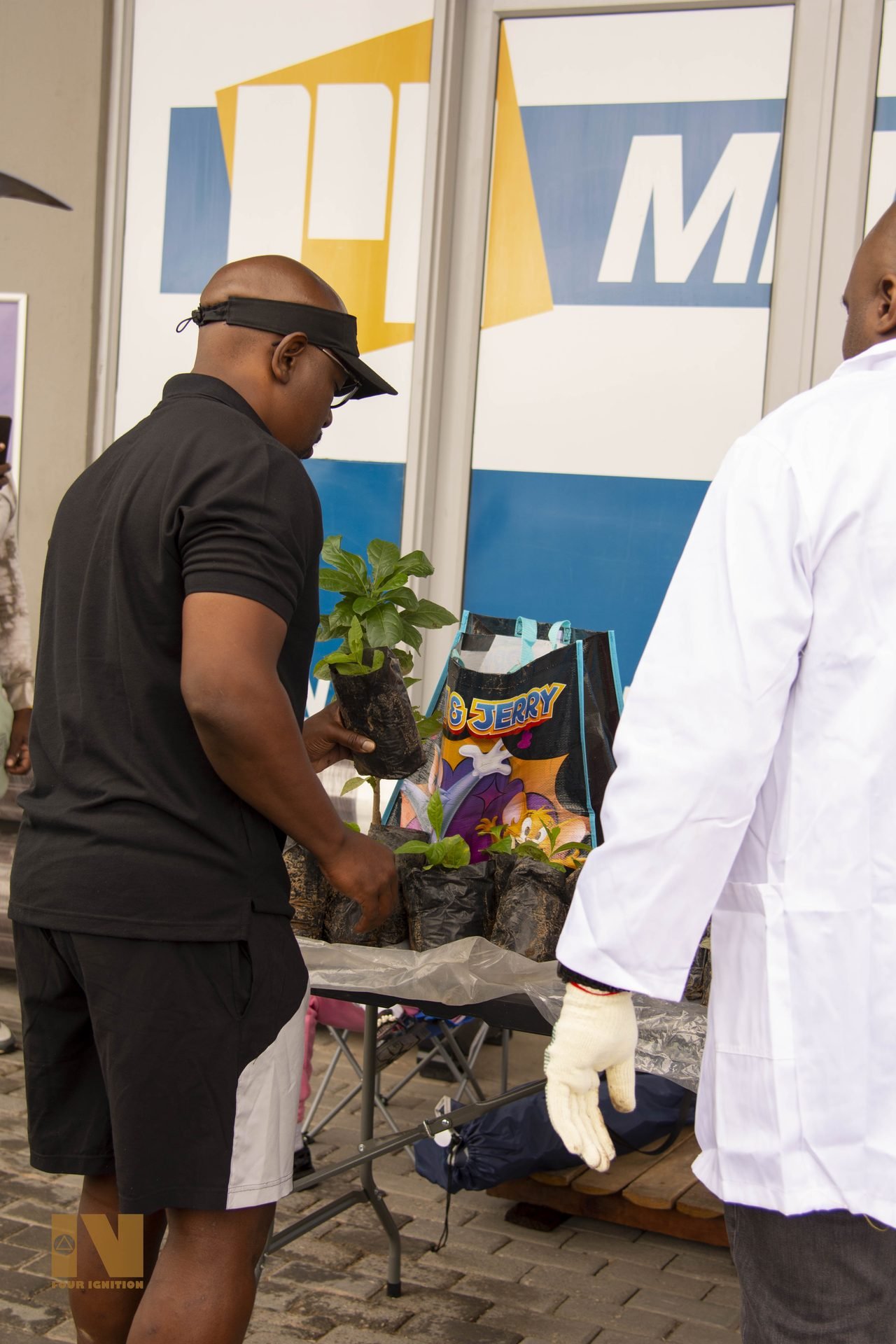
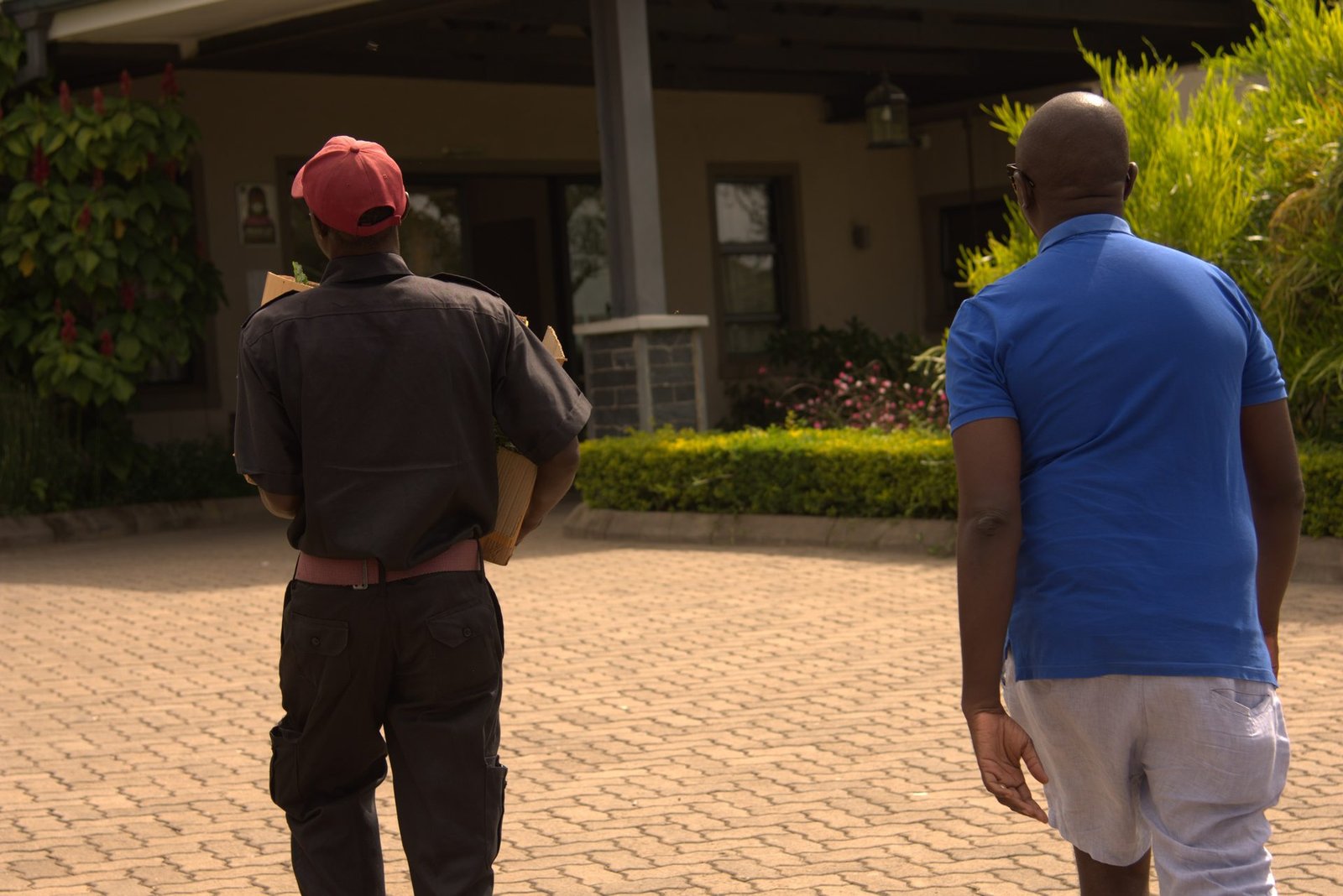
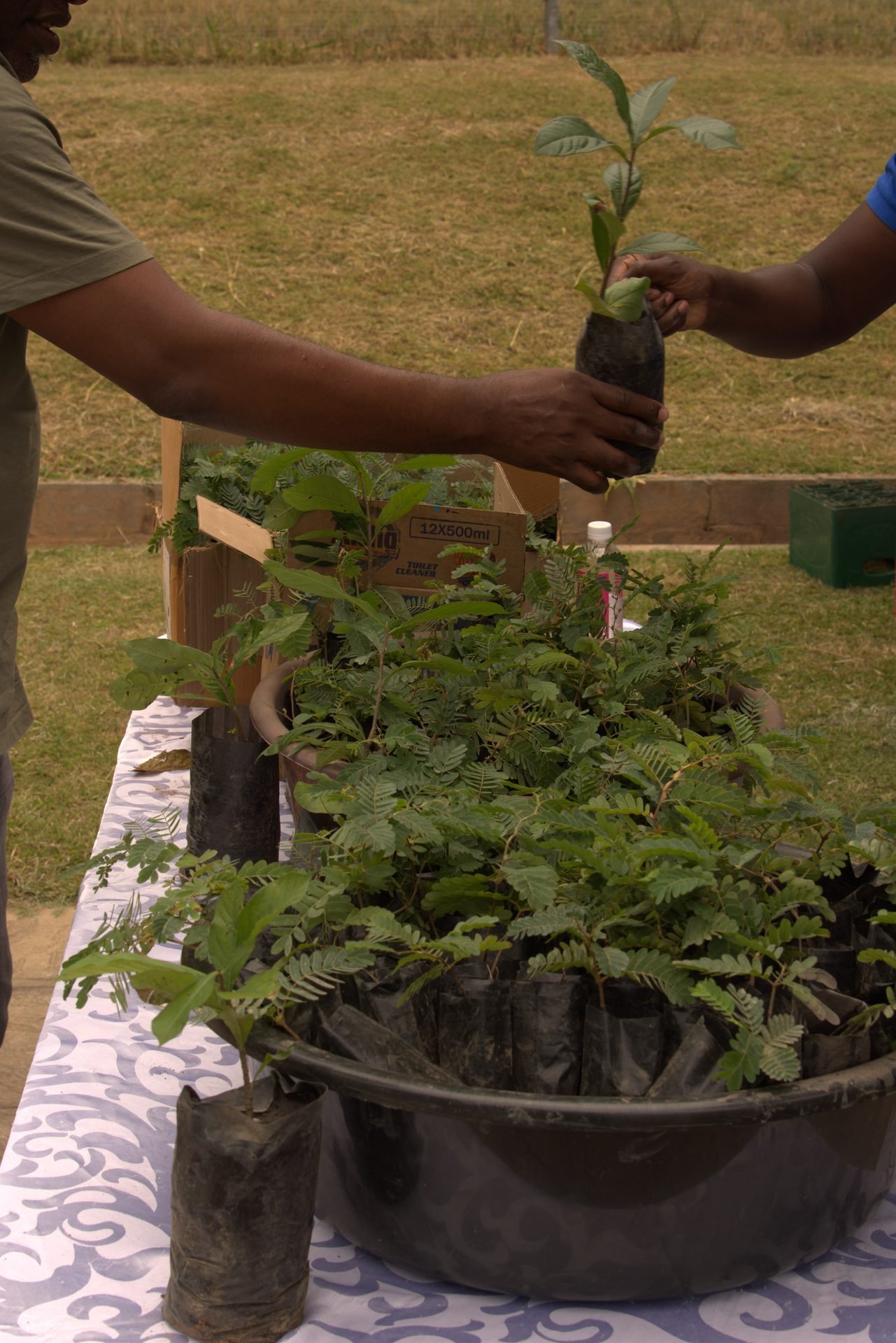
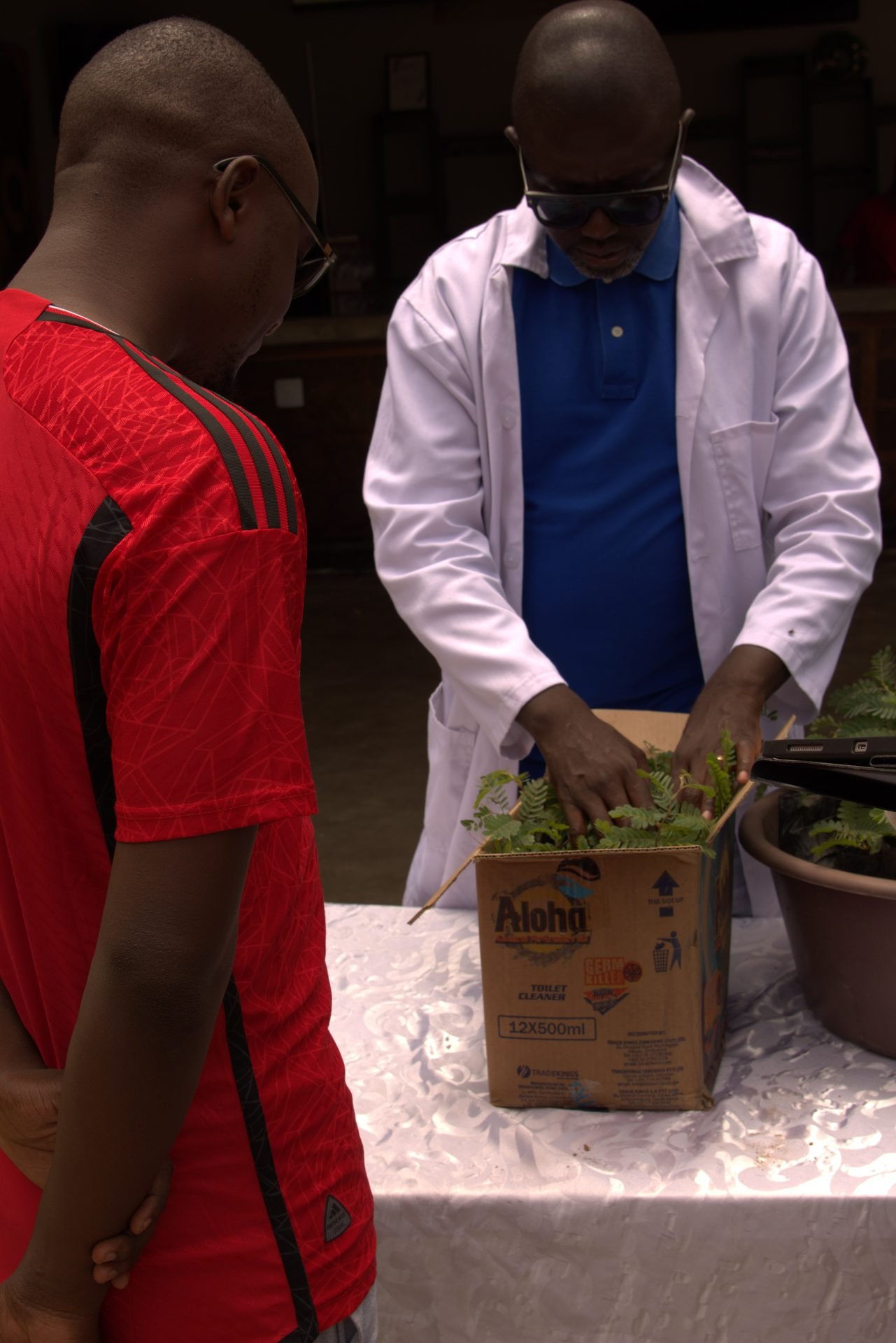
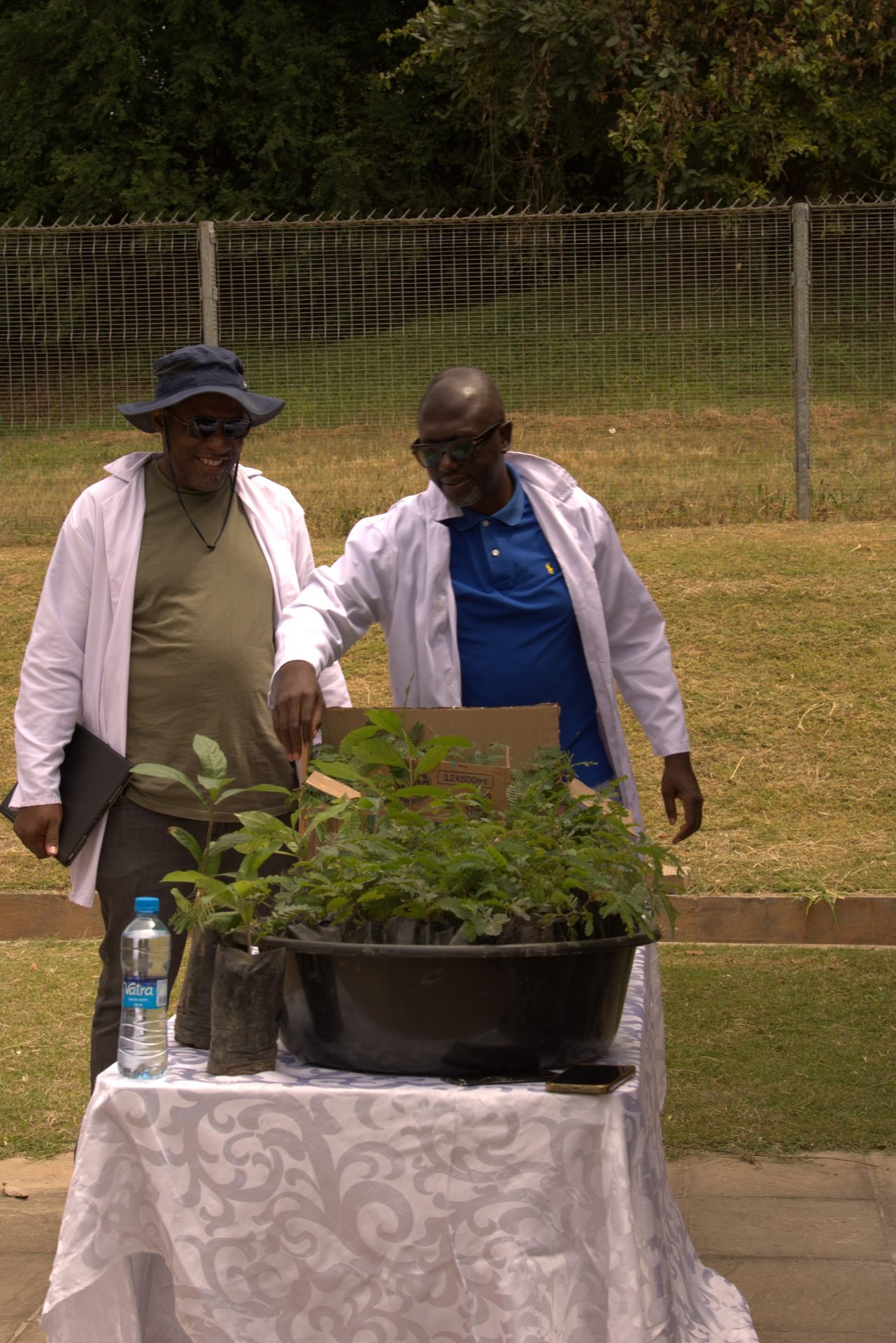
This is what it's all about. Real trees handed directly to real people. We've held giveaways at Lusaka Golf Club, Micmar, Ndola, and beyond — with every event growing in scale.
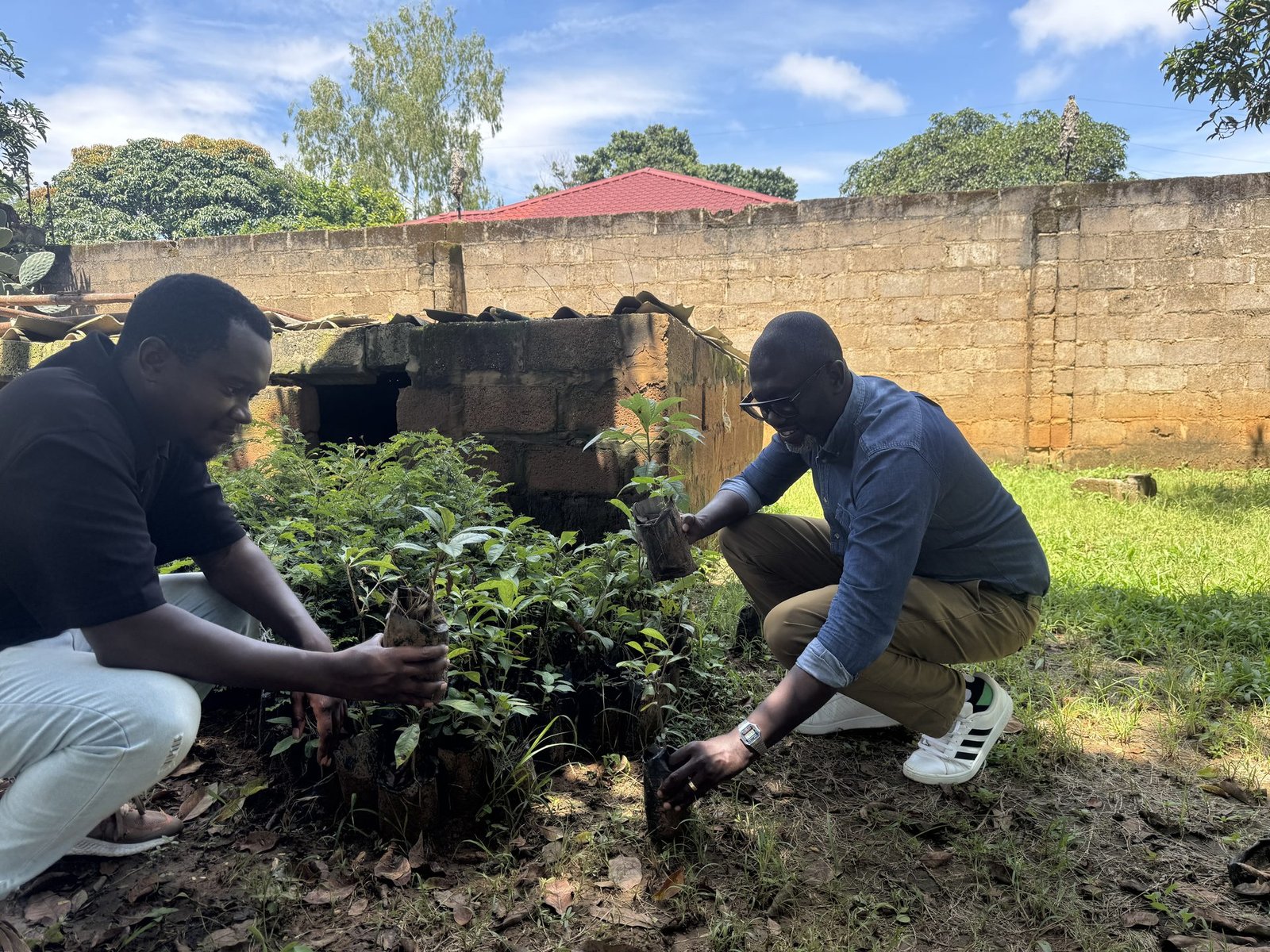
One of our biggest events — professionally photographed by Four Ignition
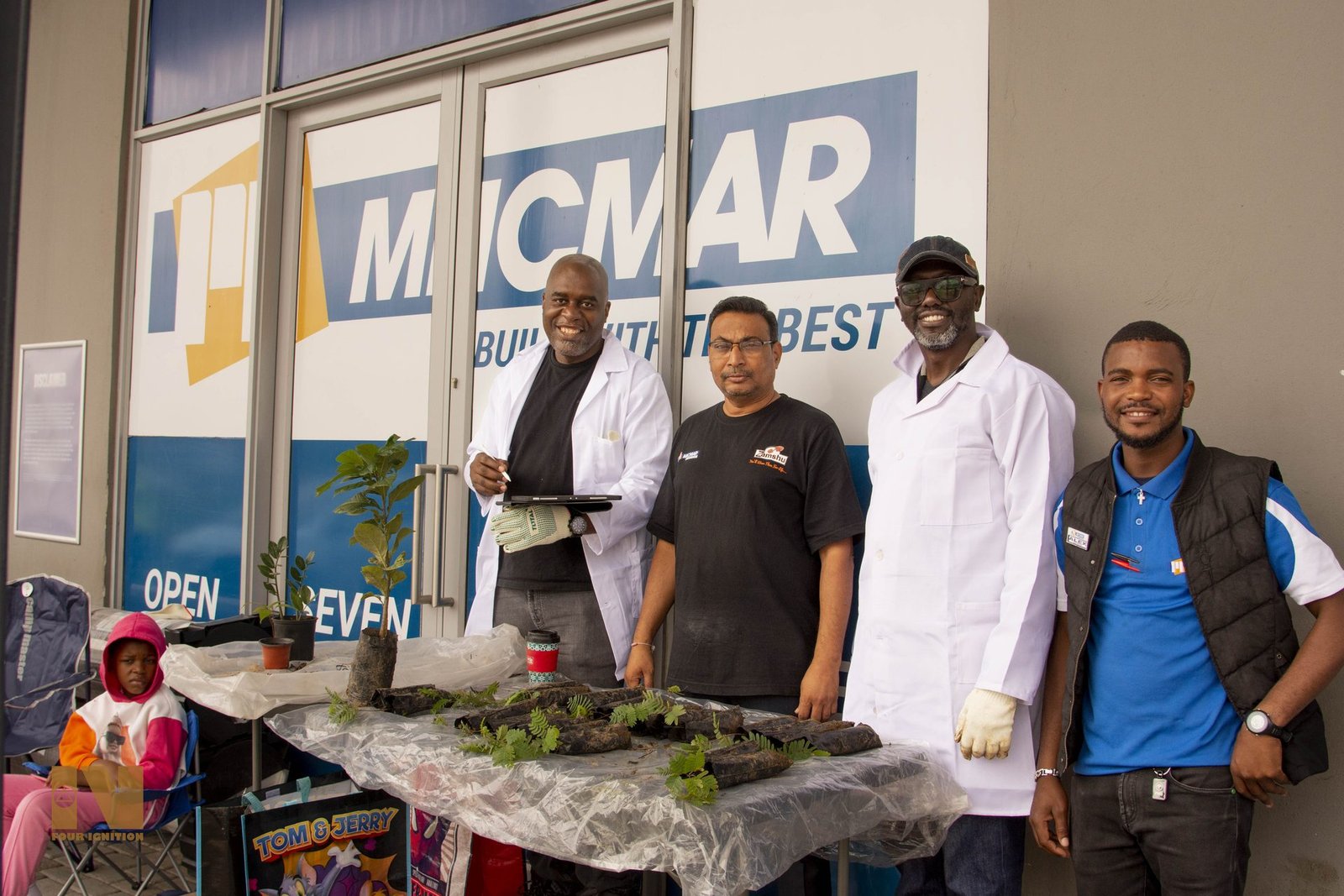
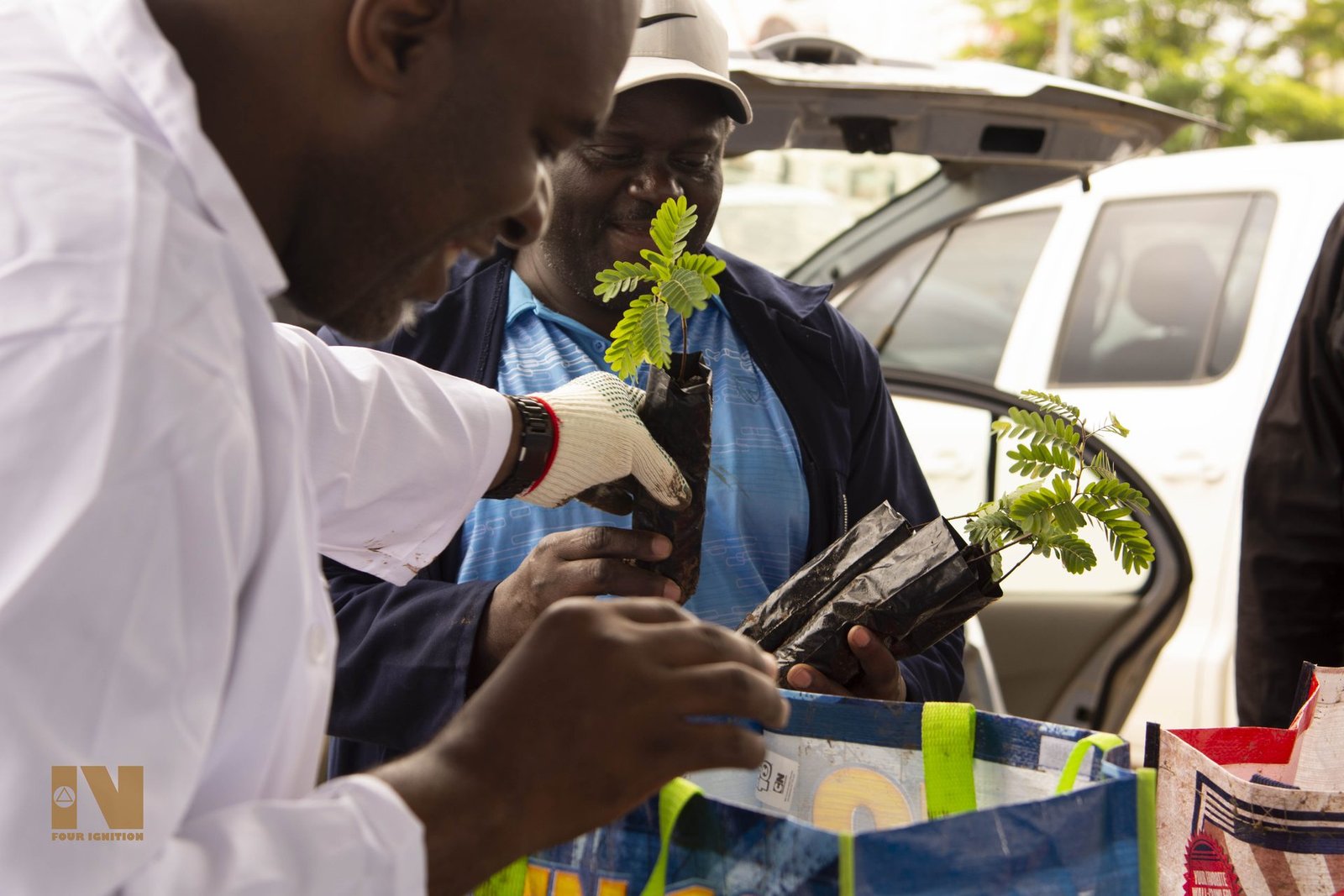
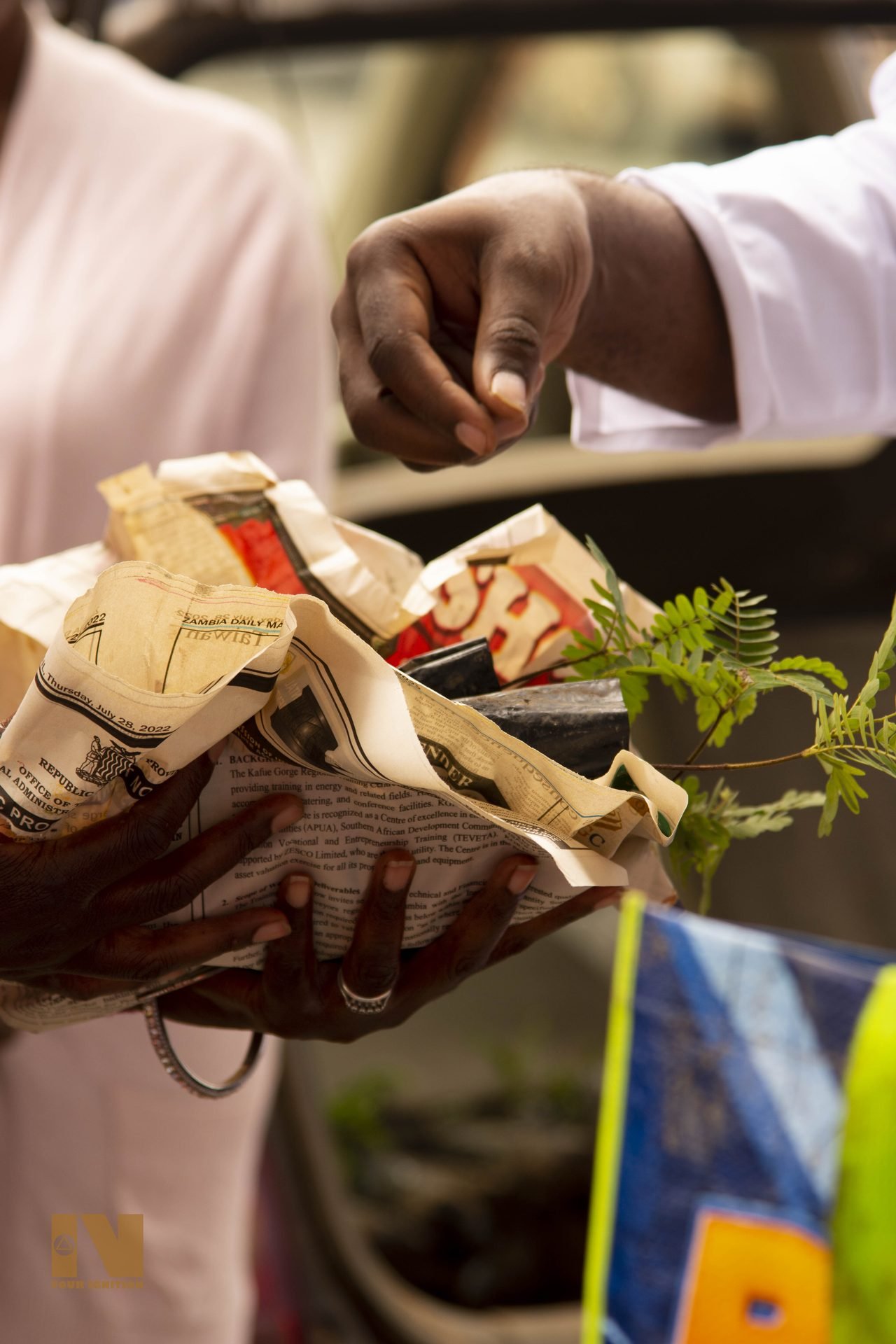
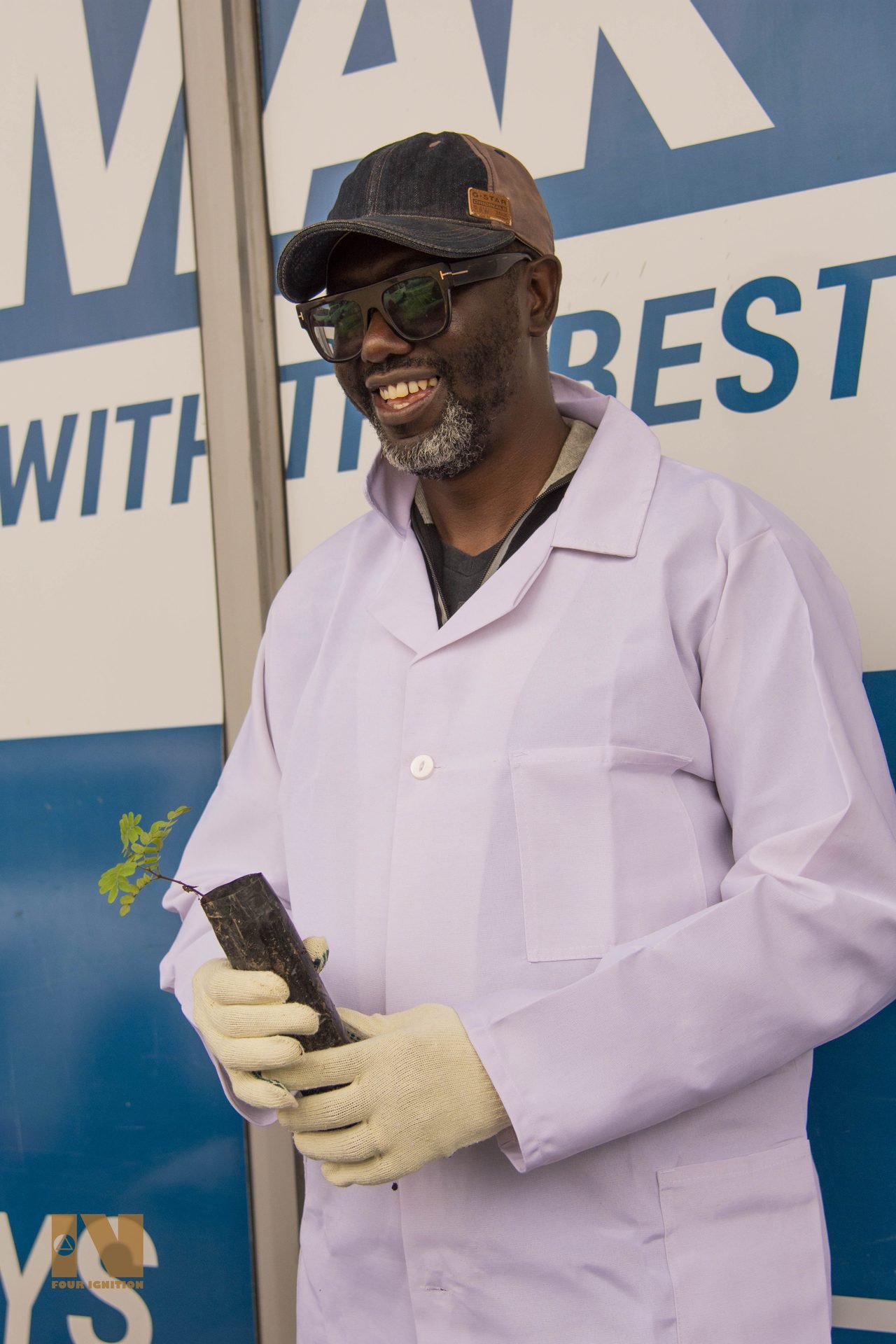
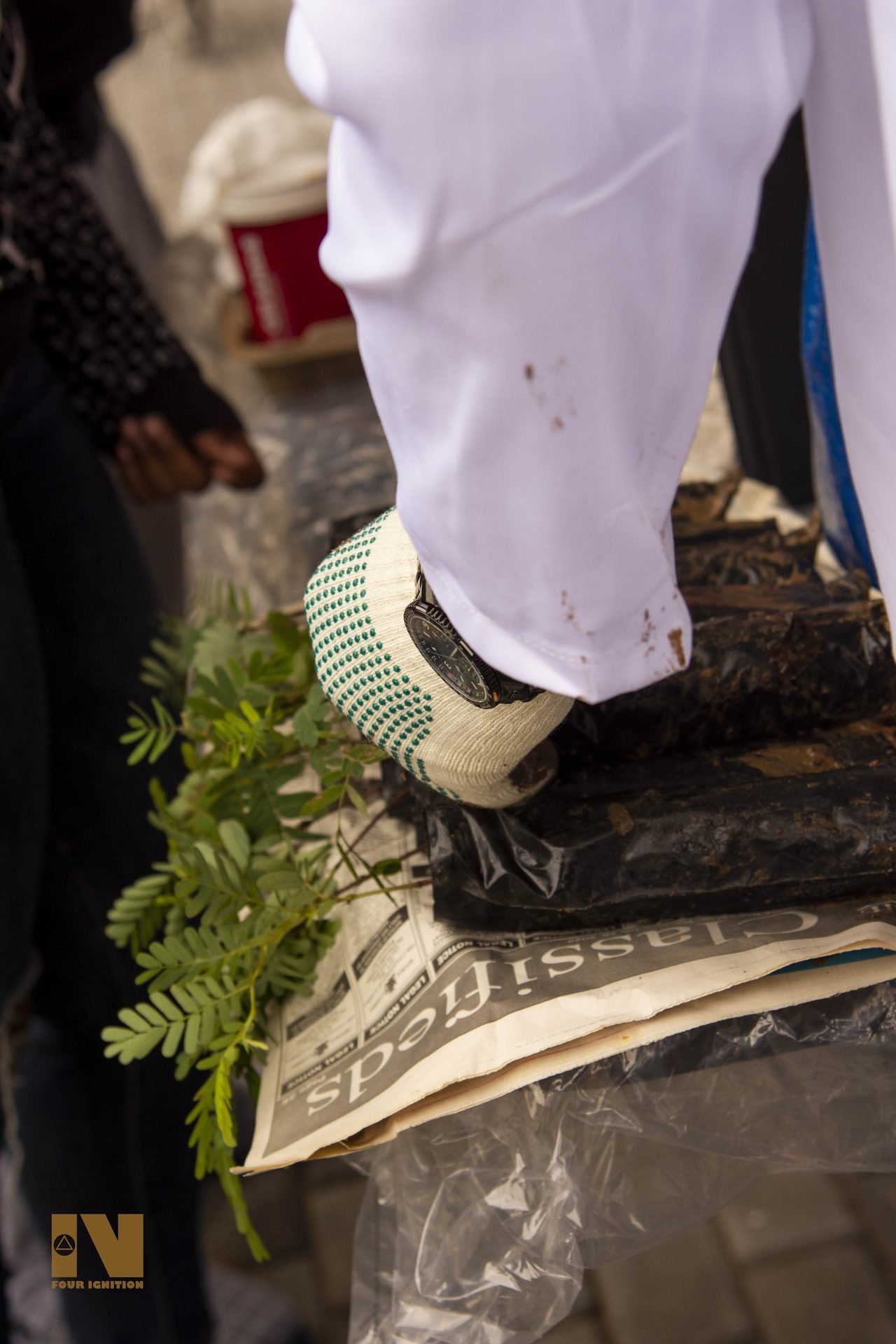
Taking the campaign to the Copperbelt — full professional RAW photography
The Journey Up
The Giveaway

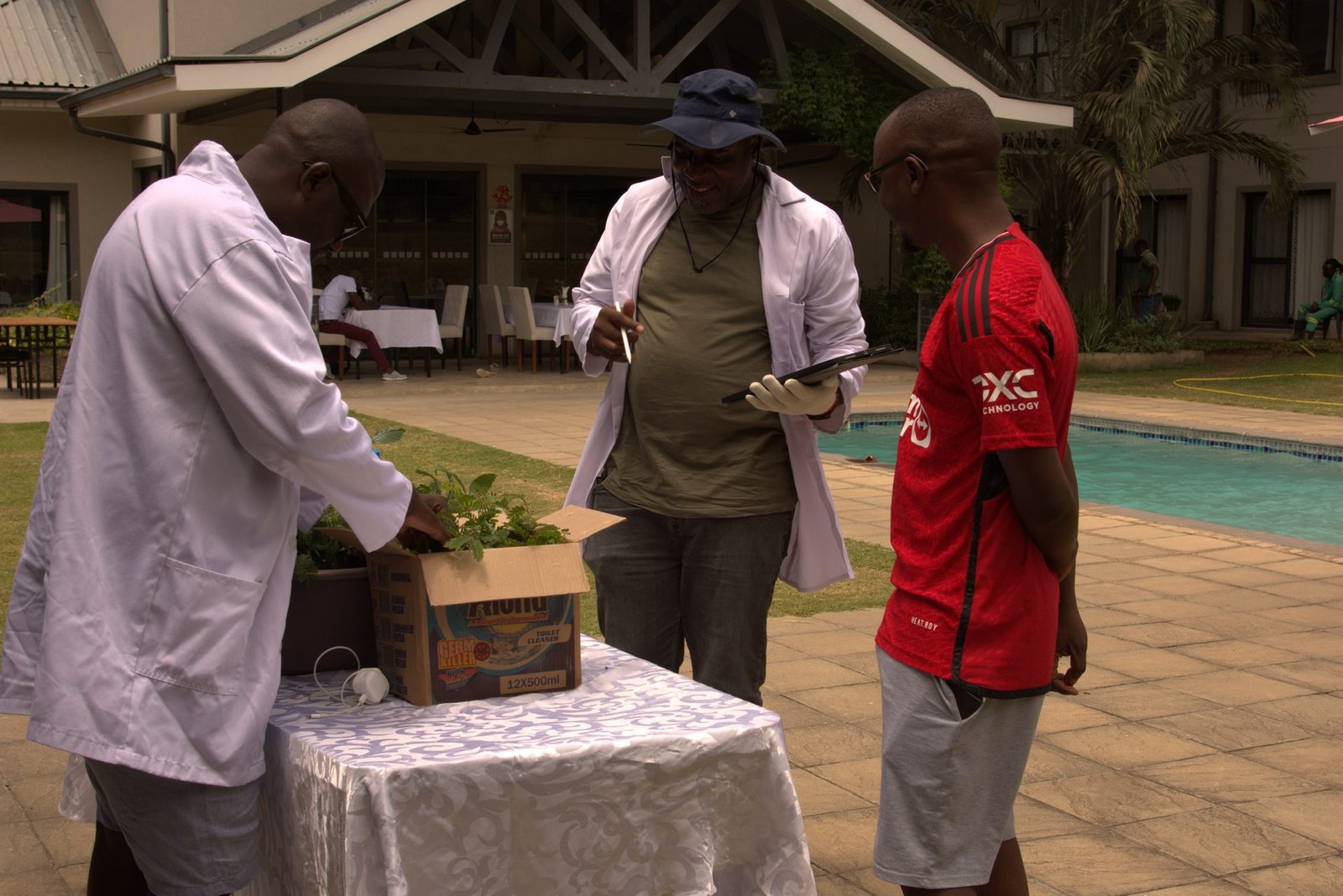
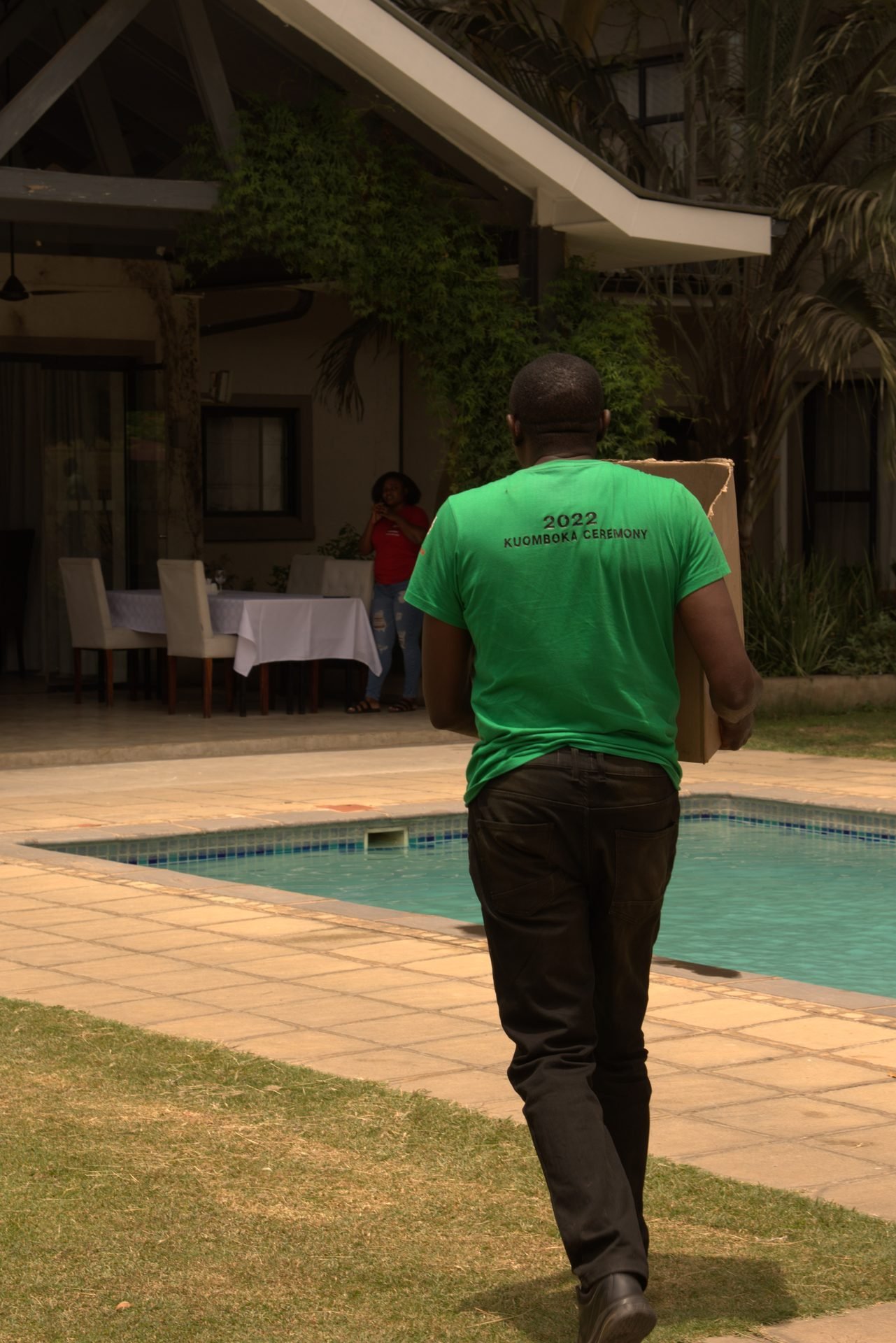
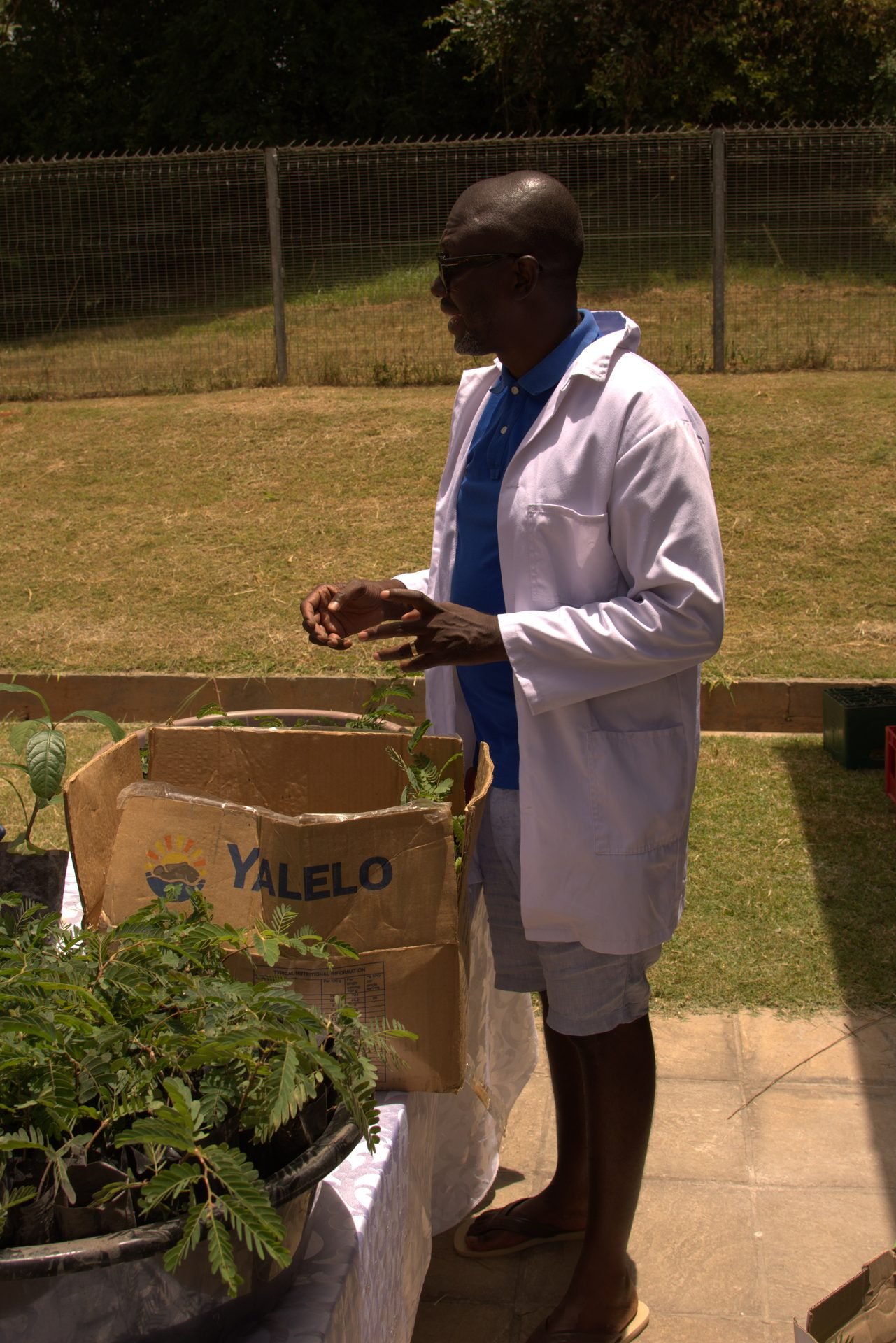
The Destination
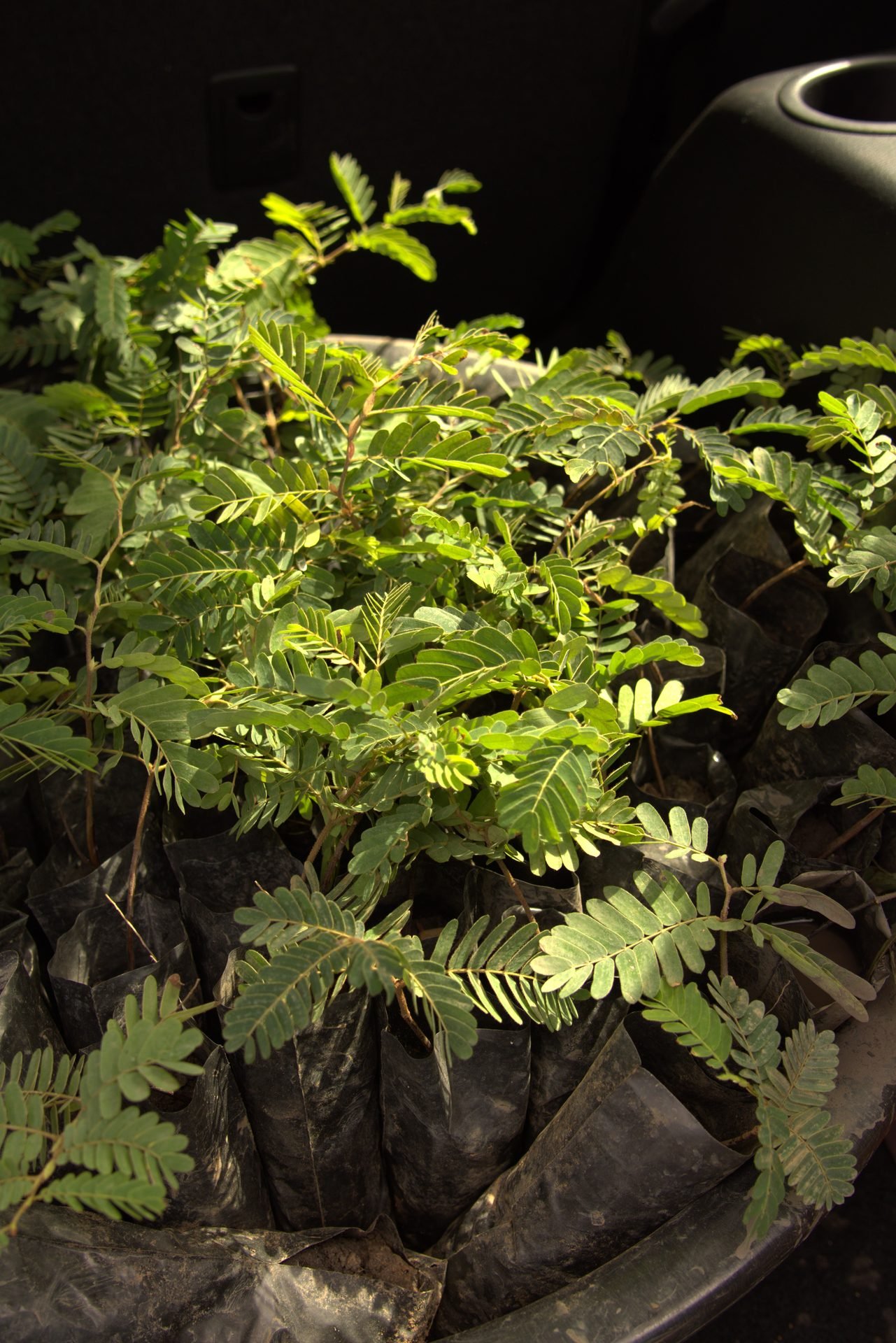
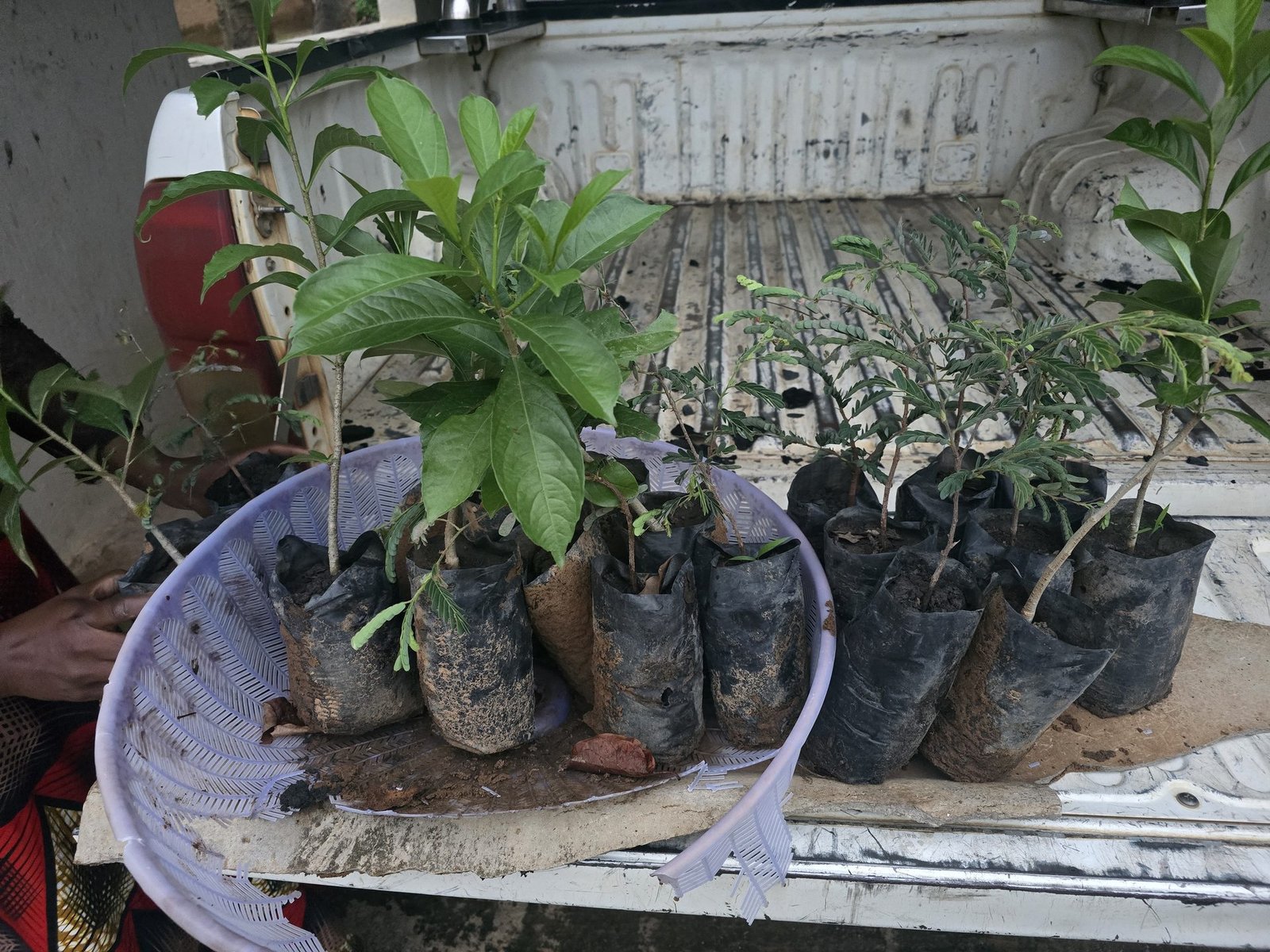
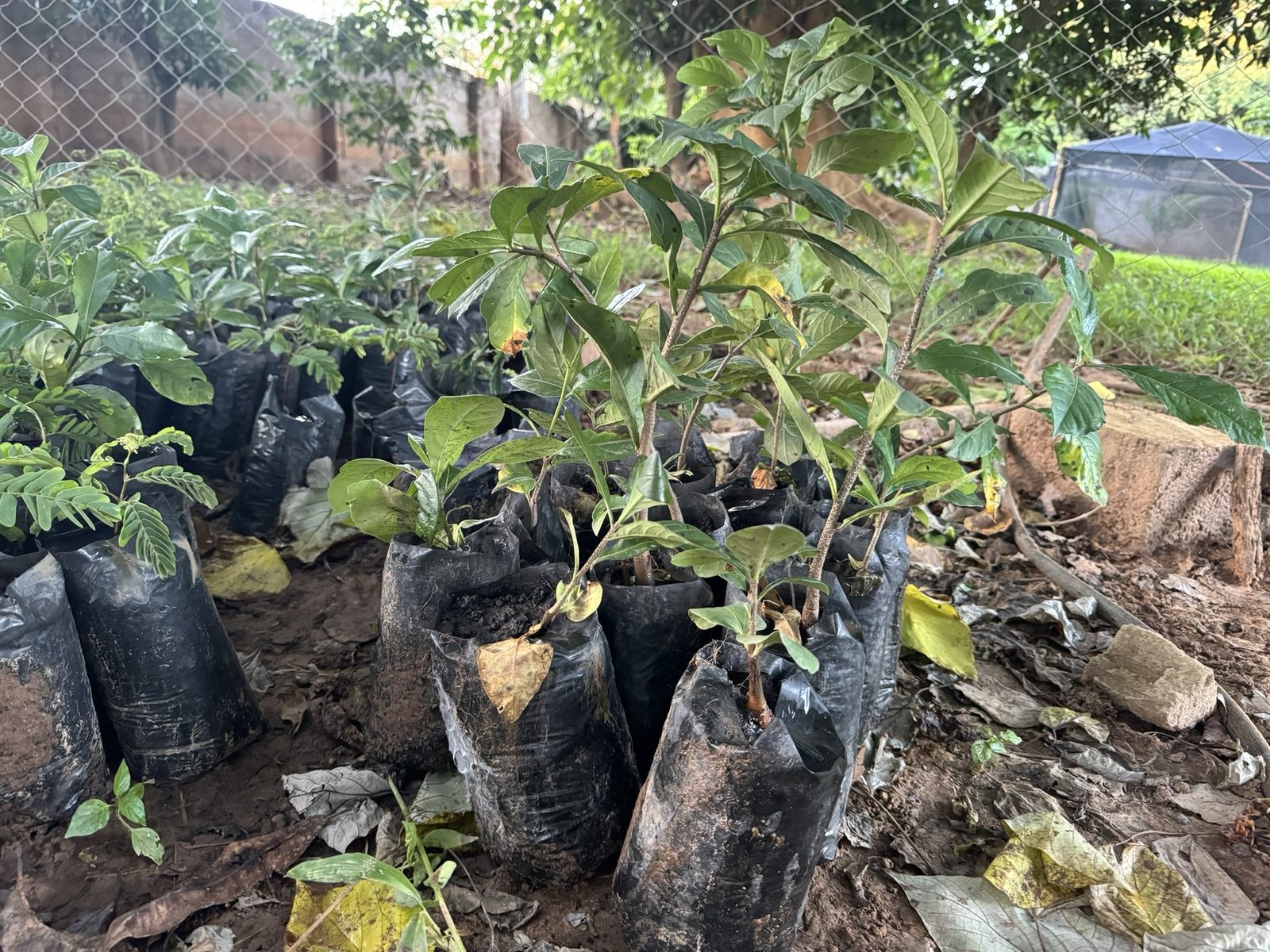
These photos show Baobab seedlings at different stages of growth — from the very first days in a tray, through to healthy, established young plants ready for a forever home in someone's garden, farm, or community.
A Baobab planted today will still be standing — and still feeding communities — centuries from now. That's the kind of investment we make every single season.
Request Yours for 2027 →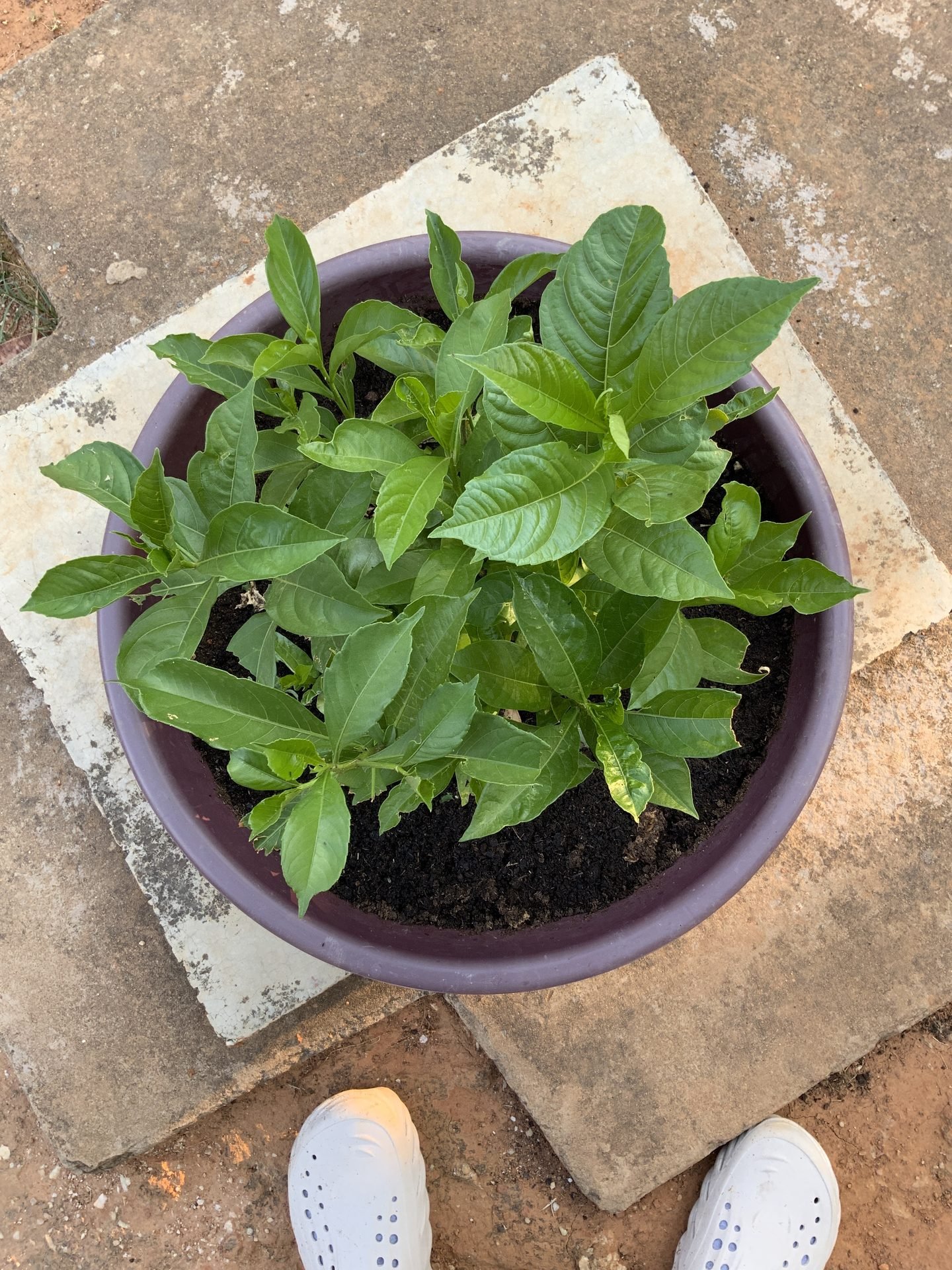
Why Trees
Baobab fruit contains more Vitamin C than oranges, more calcium than milk, and powerful antioxidants. Tamarind provides iron, vitamins, and digestive health. Both take years to bear fruit — but once they do, communities eat better for generations.
A mature Tamarind tree produces pods worth real money in local and regional markets — juice, candy, sauce, supplements. Baobab oil and pulp have global export demand. These are income-generating assets planted now for the future.
One million trees means improved soil, reduced erosion, more rainfall retention, carbon capture, and restored biodiversity across all ten provinces. The environmental return compounds every year.
Coming in 2027
Alongside Baobab and Tamarind, we plan to introduce additional trees in 2027 — expanding the range available to Zambian communities.
See All Species →The 2027 Target
100,000 Tamarind + 1,000 Baobab in every province — no community left out.
Up to 100 seedlings completely free. Place your order for January–April 2027 now — we're taking registrations.
Request Seedlings →From $1, you can fund a seedling. Help us cover nursery costs, transport, and community distribution.
Donate From $1 →Get giveaway dates, seedling availability notices, and impact stories.